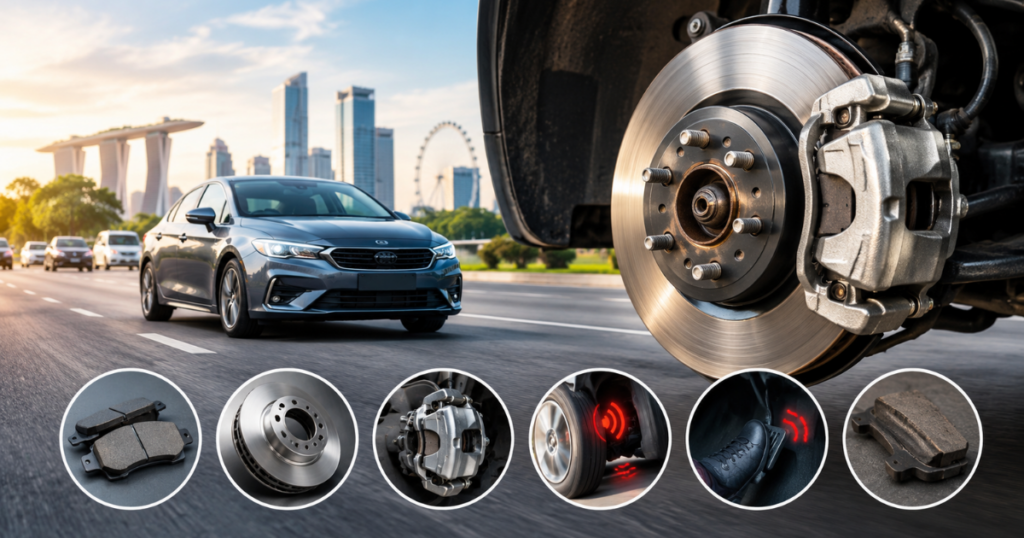
Driving in Singapore often means dealing with stop-start traffic, frequent braking and busy roads, so your car’s braking system needs to work properly every time you slow down or stop. Brake pads, rotors and calipers work together to bring your vehicle to a safe stop, but these parts gradually wear with use. A high-pitched squeal, grinding sound, vibration when braking or a change in braking performance can be an early sign that something needs attention. Ignoring these warning signs may allow a small brake issue to become a more expensive repair, especially if worn brake pads begin affecting the rotors. In this guide, we’ll explain how the main brake components work, what different brake noises can mean, when brake pads or rotors may need replacement, and what you should expect during a professional brake inspection and replacement.
Table of Contents
How Brake Pads, Rotors and Calipers Work
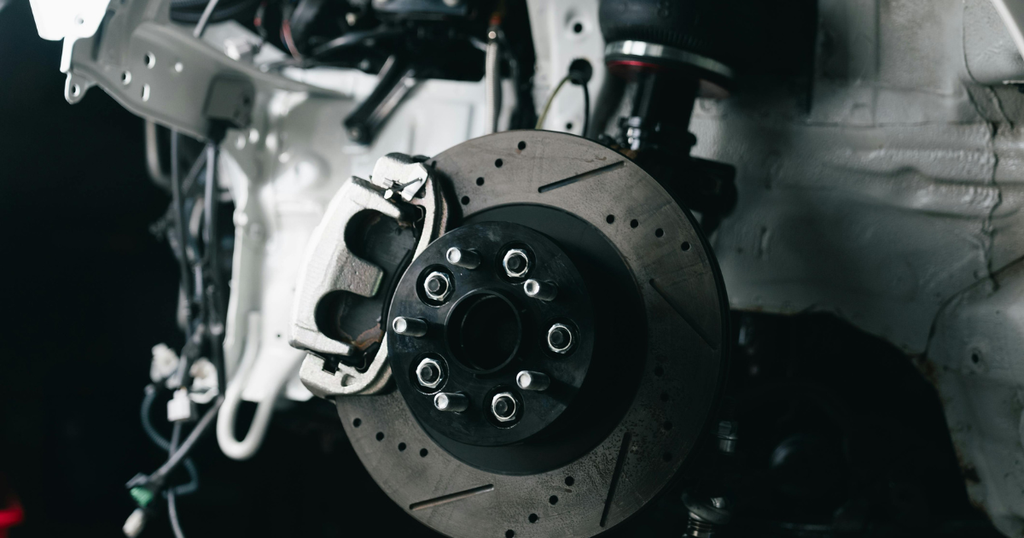
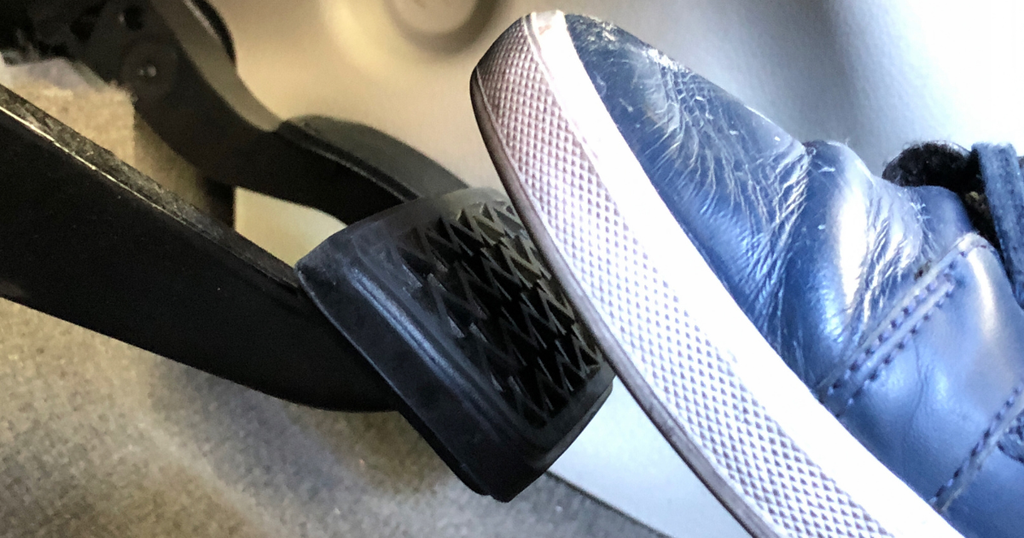
Your car’s braking system relies on the brake pads, rotors and calipers working together to slow the wheels safely. When you press the brake pedal, hydraulic pressure moves the caliper, which pushes the brake pads against the spinning rotor attached to the wheel. The friction between the pads and rotor slows the wheel and brings the car to a stop. Brake pads are designed to wear gradually because they provide the friction needed for braking, while the rotors also experience heat and surface wear over time. In Singapore, frequent stop-start driving and repeated braking can generate more heat, especially in busy traffic or during longer periods of driving. As heat and friction build up, brake components can gradually lose their ideal condition, which is why regular inspection is important to identify worn pads, damaged rotors or other brake problems before they affect braking performance.
Common Signs Your Brakes Need Attention
Brake problems do not always appear suddenly; your car often gives you warning signs before the braking system needs major repair. A high-pitched squeal or occasional chirping may indicate that the brake pads are getting worn or that there is vibration between the braking components. A harsh grinding sound is more serious and can occur when the friction material has worn down and metal parts are coming into contact. You may also notice vibration through the steering wheel or brake pedal when slowing down, which can point to a problem with the rotor or uneven braking surfaces. If the car takes longer to stop than usual, pulls to one side, or does not brake evenly, the system should be inspected promptly. Visible wear on the brake pads is another useful warning sign, but because some brake problems are not easy to see from outside the wheel, a proper inspection is the safest way to determine whether the pads, rotors, calipers or related components need attention.
Brake Noise: What Does It Mean?
Brake noise can be an early warning that something in your braking system needs attention, and understanding the sound can help you act before a small issue becomes a costly repair. A high-pitched squeal may come from the brake pad wear indicator touching the rotor as the friction material becomes thin, while a chirping sound or vibration can point to uneven rotor surfaces or other brake-related issues. A harsh grinding noise is more serious because it can mean the brake pad material has worn away and the metal backing plate is contacting the rotor, which can reduce braking performance and damage the rotor. Not every brake noise means an immediate emergency, but persistent squealing, new vibrations, grinding, or any noise accompanied by reduced stopping performance should not be ignored. Having the brakes inspected early allows worn pads, damaged rotors, or related components to be identified before they affect your safety and lead to more extensive repairs.
When Should You Replace Brake Pads or Rotors
Brake pads should be replaced when their friction material has worn down significantly or when the pad’s wear indicator shows that it is reaching the end of its service life. A worn pad should not be left too long, as continued use can allow the backing plate to contact the rotor and cause further damage. Brake rotors also need to be checked whenever brake pads are replaced, especially if there are deep grooves, scoring, excessive wear or noticeable vibration during braking. If the rotor is still within its required thickness and has only minor surface imperfections, resurfacing or skimming may be suitable to restore a smoother braking surface. However, resurfacing is not appropriate when the rotor is already below its minimum thickness or has serious damage such as deep scoring or heat-related cracks; in these situations, replacement is the safer and more practical option. A proper inspection of both pads and rotors helps determine whether resurfacing is sufficient or whether new components are needed.
What Happens During Brake Pad and Rotor Replacement?
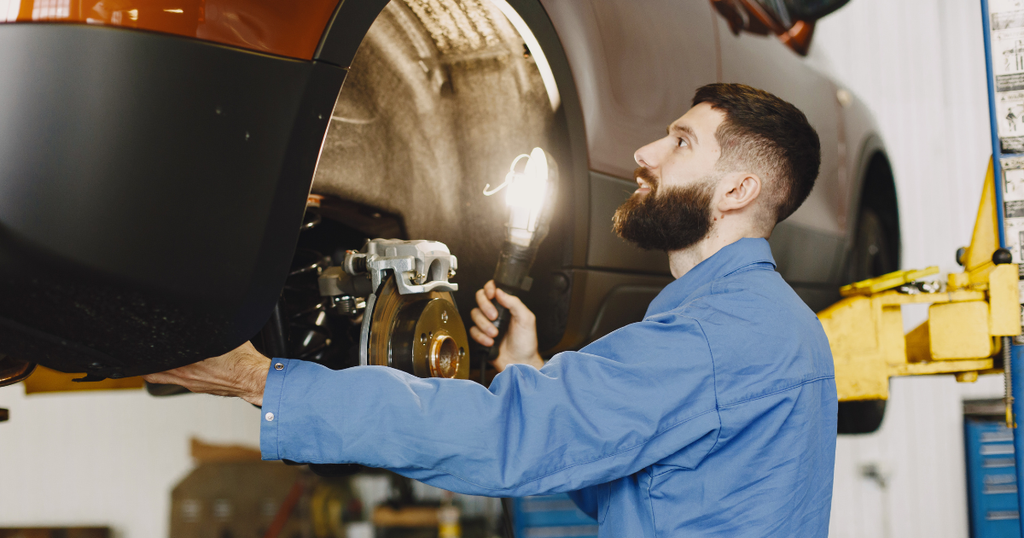
A professional brake pad and rotor replacement starts with an inspection to assess the condition of the pads, rotors and other braking components. Once the required parts are identified, the wheels are removed and the worn brake pads and rotors are carefully taken out before the new components are installed. The calipers, mounting hardware and wheel hub are also checked to make sure they are clean, secure and suitable for the new parts; where necessary, caliper slides and related contact points should be properly serviced. After installation, the braking system is checked to confirm that everything is fitted correctly and operating as expected. A final road test is then carried out to assess braking response and make sure the vehicle is safe to return to the road.
Why Brake Pads Wear Unevenly
Brake pads should normally wear at a similar rate, but problems within the braking system can cause one pad to wear faster than the other. A sticking or seized caliper, restricted caliper slide pins, or uneven contact between the pad and rotor can prevent the brakes from applying and releasing correctly. This may leave one pad working harder and wearing faster, while the other has more friction material remaining. Uneven pad wear can also affect braking performance and may be a sign of a deeper problem rather than normal pad wear. For this reason, replacing only the worn pad without checking the caliper, slide pins, hardware and contact surfaces may not solve the issue. A proper brake inspection should identify and correct the underlying cause so the replacement pads can wear evenly and the braking system can work as intended.
rake Fluid and Brake Maintenance
Brake fluid is an essential part of the braking system because it transfers the pressure from the brake pedal to the components that apply the brakes. Over time, brake fluid can absorb moisture, which can affect its condition and reduce its ability to perform reliably under braking heat. This is why brake maintenance should not stop at checking the brake pads and rotors. A proper inspection should also include the brake fluid, calipers, hoses, hardware and other related components to identify leaks, wear or other problems that could affect braking performance. Keeping the complete braking system in good condition helps ensure consistent and dependable braking when you need to stop.
How to Choose Brake Pads and Rotors
When choosing brake pads and rotors, the most important factors are correct fit, suitable quality and compatibility with your vehicle. OEM parts are designed to meet the vehicle manufacturer’s specifications, while quality aftermarket parts can also be a suitable option when they come from a reputable manufacturer and match the vehicle’s requirements. The right choice should consider the car model, braking system and the type of driving you normally do, rather than price alone. Very cheap brake components may not always provide the same level of braking consistency, heat resistance, noise control or durability as properly specified parts. Since brake pads and rotors work together, they should also be selected as a suitable combination rather than treating them as separate purchases. A professional workshop can check the correct specifications and recommend suitable components based on the vehicle and its braking needs, helping ensure reliable performance and avoiding unnecessary replacement costs.
What to Do After Brake Replacement
After replacing your brake pads or rotors, give the new components time to settle in through a proper bedding-in process. During the first few hundred kilometres, avoid aggressive braking, sudden panic stops, or repeated hard braking unless necessary, as gradual and controlled braking helps the pads and rotors develop an even contact surface and achieve consistent braking performance. It is also important to pay attention to any unusual changes after installation; while minor temporary noise can occur as new components settle, persistent squealing, grinding, vibrations through the steering wheel or brake pedal, or any noticeable change in braking performance should be inspected by a professional to ensure the brake system is operating safely and correctly.
Can You Keep Driving With Noisy Brakes?
Not every brake noise means you need to stop driving immediately, but the type of noise matters. A light or occasional squeal can sometimes occur from brake dust, moisture, or normal friction between the pads and rotors, while a harsh grinding or scraping sound can indicate severe pad wear or metal-to-metal contact and should not be ignored. If the noise is persistent, becomes louder, or is accompanied by vibration, reduced braking performance, a pulling sensation, or unusual pedal feel, have the brakes inspected as soon as possible. If you hear continuous grinding or feel that the car is not braking normally, avoid driving unless necessary and arrange a professional inspection to prevent further damage and maintain safe braking performance.
Why Regular Brake Inspection Matters
Regular brake inspections are especially important for drivers who spend a lot of time in stop-start traffic, where frequent braking can gradually wear down brake pads and place additional stress on the rotors. Checking the brake system regularly helps identify worn pads, uneven or damaged rotors, and other developing issues before they lead to louder noises, reduced braking performance, or more expensive repairs. Even when your brakes appear to be working normally, a professional inspection can detect wear that may not yet be obvious to the driver and confirm that the braking system remains safe and reliable. For everyday driving in Singapore, timely brake maintenance is a simple way to catch small problems early and avoid turning them into serious brake repairs.
FAQs
How often should brake pads be replaced?
Brake pads typically need replacement when the friction material becomes too thin, but the exact interval depends on driving habits, traffic conditions, and pad wear.
Do brake rotors always need replacement with pads?
No. If the rotors are within the recommended thickness and in good condition, they can often remain in service when new brake pads are installed.
Can brake rotors be resurfaced?
Yes. Rotors can be resurfaced (skimmed) when they have minor scoring or unevenness and still have sufficient thickness above the manufacturer’s minimum specification.
Why do new brakes sometimes squeak?
New brakes can squeak during the bedding-in period as the pads and rotors settle, but persistent noise should be inspected for improper bedding, pad condition, or other brake issues.
Can worn brake pads damage rotors?
Yes. Severely worn pads can allow the metal backing plate to contact the rotor, causing deep scoring and potentially requiring rotor replacement.
Conclusion
Brake squealing, grinding, vibration, uneven braking, or reduced stopping performance are important warning signs that should not be ignored. Timely inspection and replacement of worn brake pads, rotors, or other components can help maintain safe and reliable braking while preventing further damage and more costly repairs. If you notice any unusual brake noise or changes in braking performance, contact MotoServ for a professional brake inspection and the right repair solution for your vehicle.