
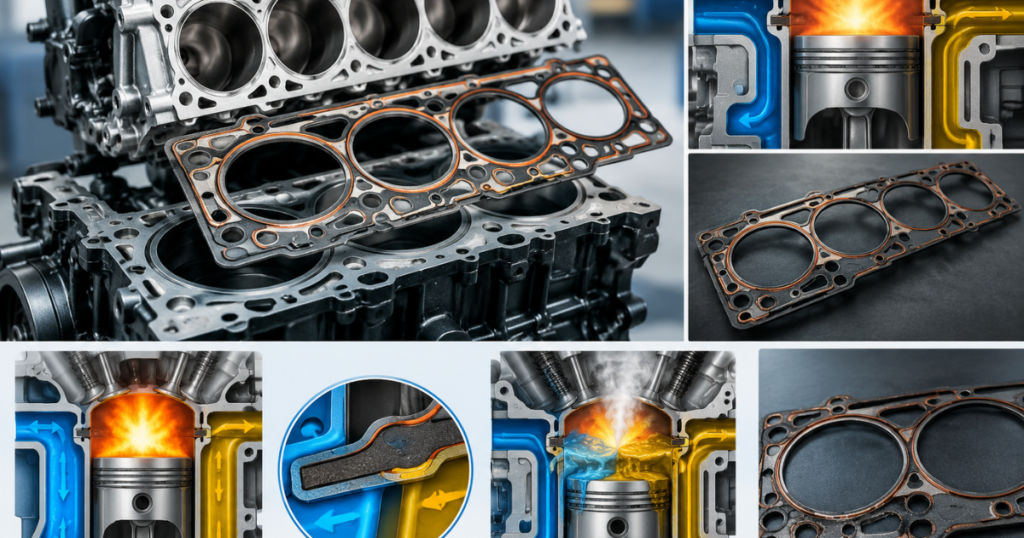
A head gasket is a critical seal located between the engine block and cylinder head, where it helps keep the combustion chambers sealed while separating engine oil and coolant as they move through their respective passages. By maintaining this separation and containing combustion pressure, the gasket helps the engine operate efficiently and reliably. When the seal becomes damaged, coolant, oil and combustion gases can cross into areas where they should not, potentially causing overheating, fluid contamination and other engine problems. Understanding what the head gasket does makes it easier to recognise why early signs of head gasket failure should not be ignored.
Table of Contents
- What Is a Head Gasket?
- What Causes Head Gasket Failure?
- What Are the Signs of Head Gasket Failure?
- Does White Smoke Always Mean a Blown Head Gasket?
- How Is Head Gasket Failure Diagnosed?
- What Happens If You Keep Driving?
- How Is a Blown Head Gasket Repaired?
- How Can You Prevent Head Gasket Failure?
- When Should You Get Professional Help?
- FAQs
- Conclusion
What Causes Head Gasket Failure?
Head gasket failure is often linked to excessive heat, cooling-system problems, or a loss of the conditions the gasket needs to maintain a proper seal. Engine overheating is one of the main causes because extreme and repeated heat can cause the cylinder head and engine block to expand or warp, placing additional stress on the gasket and eventually compromising its seal. Low coolant levels and coolant leaks can contribute to overheating, while problems with components such as the radiator, thermostat, water pump, or cooling fans can prevent the engine from maintaining a stable operating temperature. Repeated cycles of heat and combustion pressure can further weaken a gasket that is already under stress, allowing coolant, oil, or combustion gases to pass between areas that should remain separated.
What Are the Signs of Head Gasket Failure?
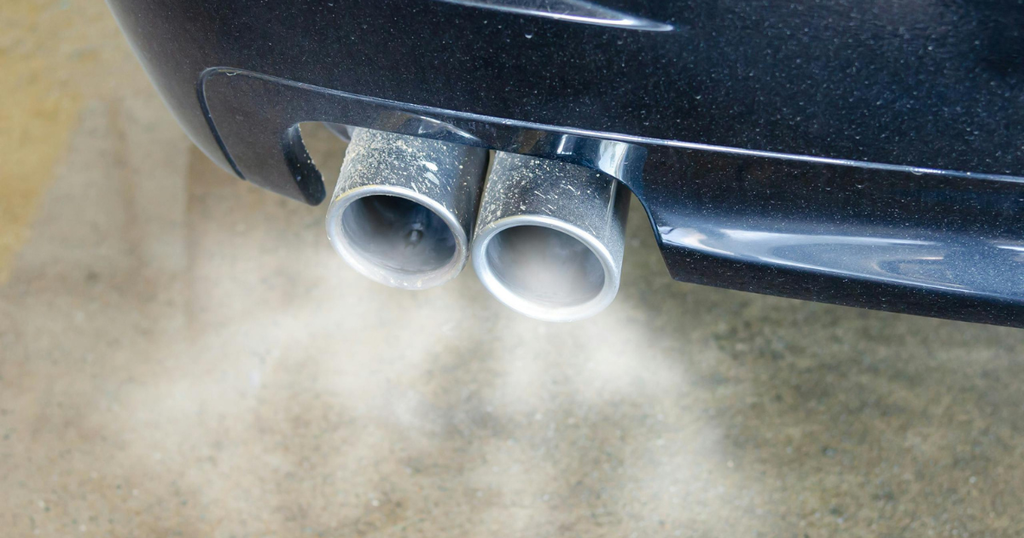
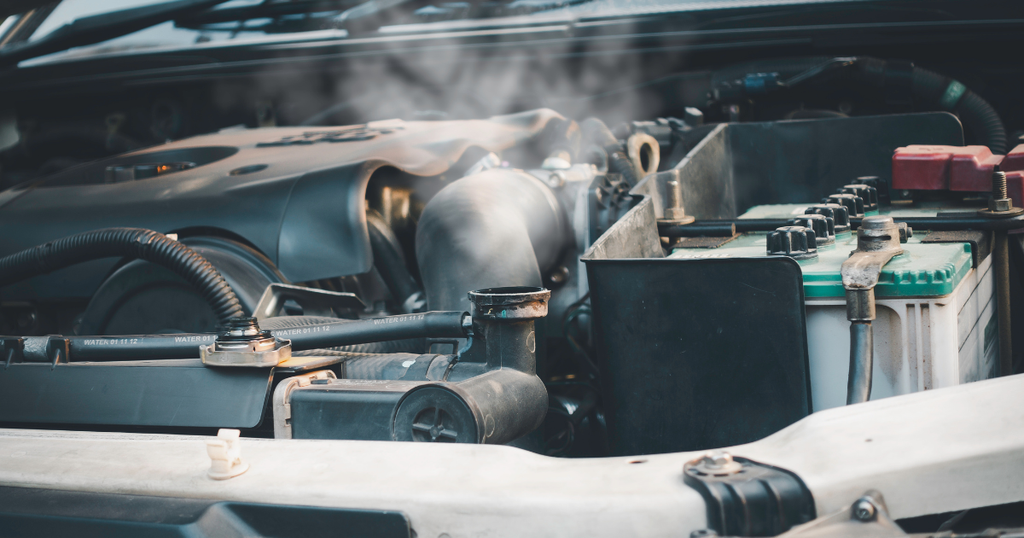
The signs of head gasket failure can vary depending on where the gasket has lost its seal, but several warning signs are worth paying attention to. White smoke from the exhaust, particularly when it continues after the engine has warmed up, can indicate that coolant is entering the combustion chamber. Engine overheating is another major warning sign and may occur when coolant is lost or combustion gases enter the cooling system. You may also notice milky or contaminated engine oil if coolant mixes with the oil, while an unexplained drop in coolant level can point to an internal or external leak. Other symptoms can include rough engine running, reduced performance, and unusual bubbles or pressure in the radiator or coolant reservoir. When several of these signs appear together, the vehicle should be professionally inspected rather than assuming that one symptom alone confirms a failed head gasket.
Does White Smoke Always Mean a Blown Head Gasket?
White smoke from the exhaust does not always mean a blown head gasket. A small amount of thin white vapour during a cold start can simply be condensation as the exhaust system warms up, but persistent white smoke after the engine reaches operating temperature is more concerning. If the head gasket has failed between a coolant passage and a cylinder, coolant can enter the combustion chamber and be expelled through the exhaust as white smoke. This may be accompanied by other warning signs such as overheating, unexplained coolant loss or rough engine performance. However, white smoke alone cannot confirm head gasket failure, as other engine or cooling-system problems can produce similar symptoms. A proper inspection and diagnostic testing are needed to identify the actual cause before major repairs are carried out.
How Is Head Gasket Failure Diagnosed?
Diagnosing head gasket failure usually involves several checks because symptoms such as overheating, coolant loss or white smoke can also be caused by other engine or cooling-system problems. A technician will first carry out a visual inspection for signs such as coolant or oil contamination, leaks and other abnormalities. A combustion leak test can help identify whether combustion gases are entering the cooling system, while a cooling-system pressure test checks whether the system is losing pressure that may indicate an internal coolant leak. Compression or cylinder leak-down testing can then help identify problems with individual cylinders and determine whether pressure is escaping where it should not. Using these checks together provides a clearer picture of whether the head gasket has actually failed and helps prevent unnecessary engine repairs.
What Happens If You Keep Driving?
Continuing to drive with a failing head gasket can cause the engine to overheat repeatedly and allow coolant and engine oil to mix, reducing proper lubrication and increasing the risk of internal engine damage. As the problem progresses, excessive heat can affect the cylinder head and other engine components, potentially turning a relatively contained repair into a much more expensive one. This is why early diagnosis is important when you notice persistent white smoke, overheating, unexplained coolant loss or other warning signs. Having the vehicle checked through professional car servicing can help identify the underlying problem before further damage occurs.
How Is a Blown Head Gasket Repaired?
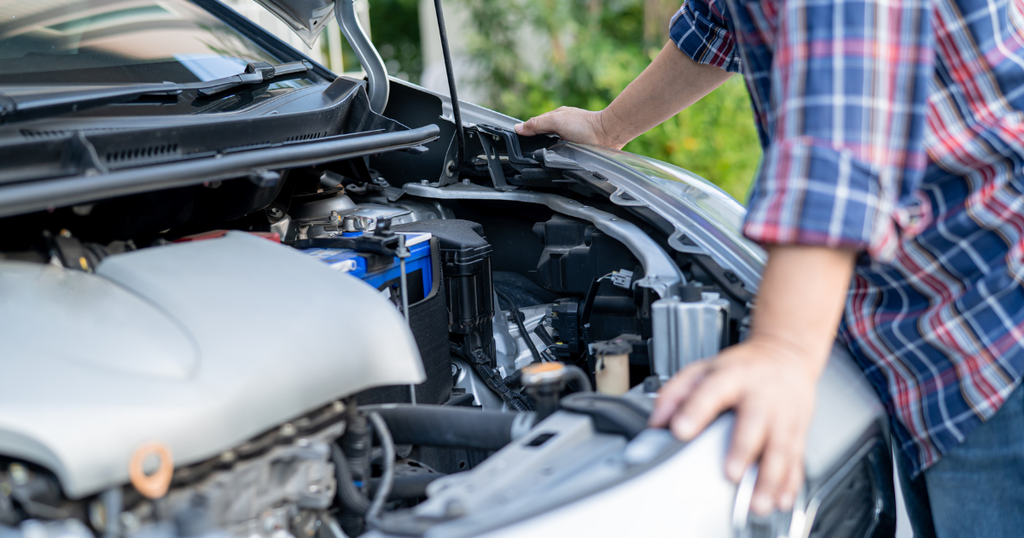
Repairing a blown head gasket begins with confirming the failure and identifying any damage caused by overheating. The cylinder head is then removed and inspected, with its mating surfaces checked for warping or damage and resurfaced if necessary to ensure a proper seal. A new head gasket is installed according to the engine manufacturer’s specifications, followed by correct torqueing and reassembly of the related components. Any contaminated engine oil or coolant is replaced, the cooling system is properly bled, and the engine is tested for leaks, overheating and normal operation before the vehicle is returned to the road.
How Can You Prevent Head Gasket Failure?
Preventing head gasket failure largely depends on keeping the engine’s cooling and lubrication systems in good condition and addressing problems before they lead to excessive heat. Check the coolant level regularly and have any leaks investigated promptly, as low coolant can contribute to overheating and place additional stress on the head gasket. Regularly maintain key cooling-system components and never ignore an overheating warning, unusual temperature changes, or other signs that the engine is running too hot. Following the manufacturer’s maintenance recommendations and using the correct engine oil and coolant specifications for your vehicle can also help maintain proper engine operation. Regular engine oil maintenance, including the use of the correct oil for your vehicle, can be supported with an internal link to Pennzoil Fully Synthetic Engine Oil Singapore.
When Should You Get Professional Help?
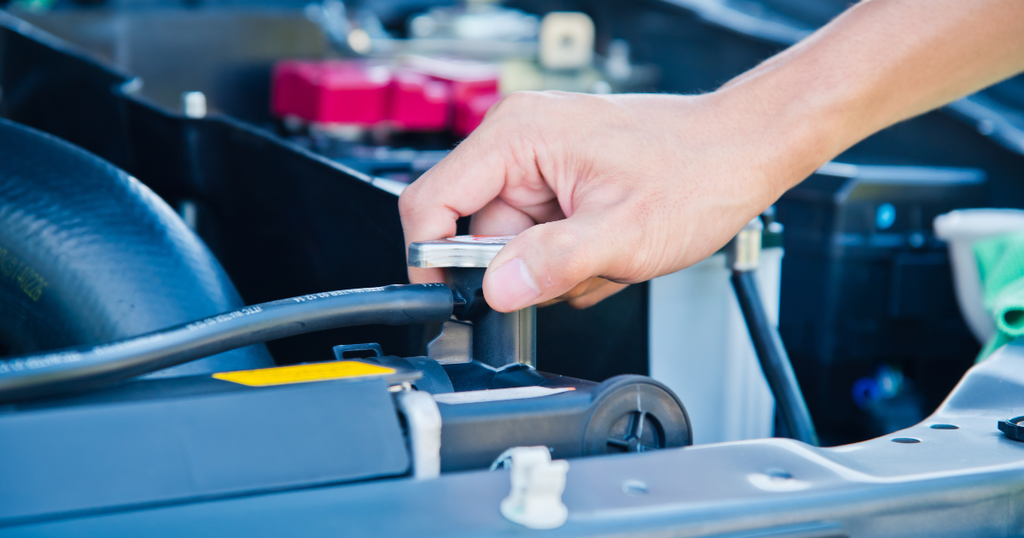
Professional help should be considered if you notice persistent white smoke after the engine warms up, repeated overheating, unexplained coolant loss, milky engine oil, rough running, or reduced performance. These signs can indicate head gasket failure, but they may also result from other cooling-system or engine problems, so symptoms alone cannot confirm the cause. A professional inspection and appropriate diagnostic tests can identify the actual fault and help prevent further engine damage or unnecessary repairs.
FAQs
Can white smoke mean a blown head gasket?
Persistent white smoke can indicate coolant entering the combustion chamber due to a failed head gasket, but testing is needed to confirm the cause.
Does overheating always mean head gasket failure?
No. Overheating can also result from low coolant, leaks, thermostat, radiator, water-pump or cooling-fan problems.
Can you drive with a blown head gasket?
It is not recommended, particularly if the engine is overheating or losing coolant, as continued driving can cause further engine damage.
How do mechanics confirm a blown head gasket?
They may use visual inspection, combustion leak testing, cooling-system pressure testing, and compression or leak-down testing.
Can a blown head gasket be repaired?
Yes, in many cases the gasket can be replaced after checking the cylinder head and engine for overheating-related damage.
Conclusion
Head gasket failure can begin with warning signs such as persistent white smoke, overheating, coolant loss, contaminated engine oil, or changes in engine performance. Recognising these signs early and getting the vehicle professionally inspected can help identify the cause before further engine damage occurs. If your car is showing any of these symptoms, contact Motoserv for a professional inspection and engine diagnostic service to determine the right repair for your vehicle.