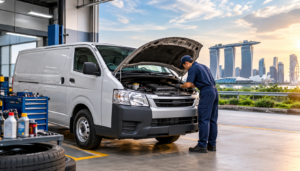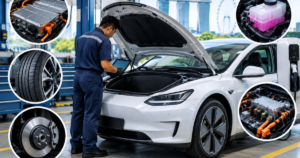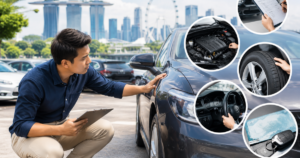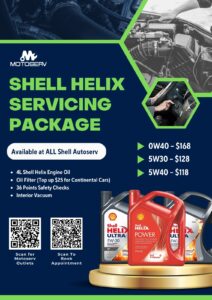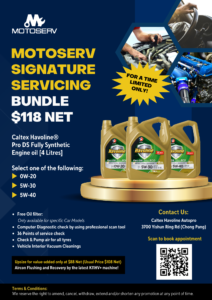
Understanding car maintenance costs in Singapore is essential for planning your vehicle expenses in 2026, as servicing and repair costs can vary depending on your car’s type, age, mileage, parts, and maintenance requirements. This guide brings together the key maintenance prices and servicing considerations to help you understand what to expect and plan your car care with greater confidence.
At Motoserv, we focus on transparent and professional vehicle maintenance, helping drivers understand what their car needs rather than simply focusing on the cost of a single service. Whether you drive a Japanese, Korean, Continental, hybrid, or electric vehicle, this guide will help you navigate the common maintenance costs and make more informed decisions about keeping your vehicle safe, reliable, and efficient.
How Much Does Car Maintenance Cost in Singapore?
Car maintenance costs in Singapore depend on your vehicle type, age, mileage, and the work required. Japanese and Korean cars generally have lower routine maintenance costs, while European and Continental vehicles can require a higher budget; hybrids and EVs follow different maintenance patterns based on their specific systems.
| Vehicle Category | Routine Servicing (2x/Year) | Wear & Tear (Annual Avg.) | Preventive Safety Buffer |
| Japanese / Korean Sedan | S$380–S$650 | S$300–S$550 | S$200 |
| European / Continental | S$600–S$1,100 | S$700–S$1,400 | S$500 |
| Electric Vehicles (EV) | S$250–S$450 | S$400–S$700 | S$300 |
Routine servicing covers scheduled work such as oil and filter changes, inspections, and fluid checks, making these costs easier to plan around your vehicle’s recommended service intervals. Wear-and-tear maintenance covers components that naturally need replacement over time, including tyres, brake pads, filters, and wipers, with the final cost depending on your vehicle, parts, mileage, and condition.
Unexpected repairs are unplanned costs caused by faults, breakdowns, or component failures, so keeping a maintenance buffer can help you manage them when they arise. Preventive maintenance focuses on identifying and addressing potential issues early through regular servicing and inspections, helping maintain reliability and reduce the risk of more expensive repairs later.
Common Car Maintenance Costs in Singapore
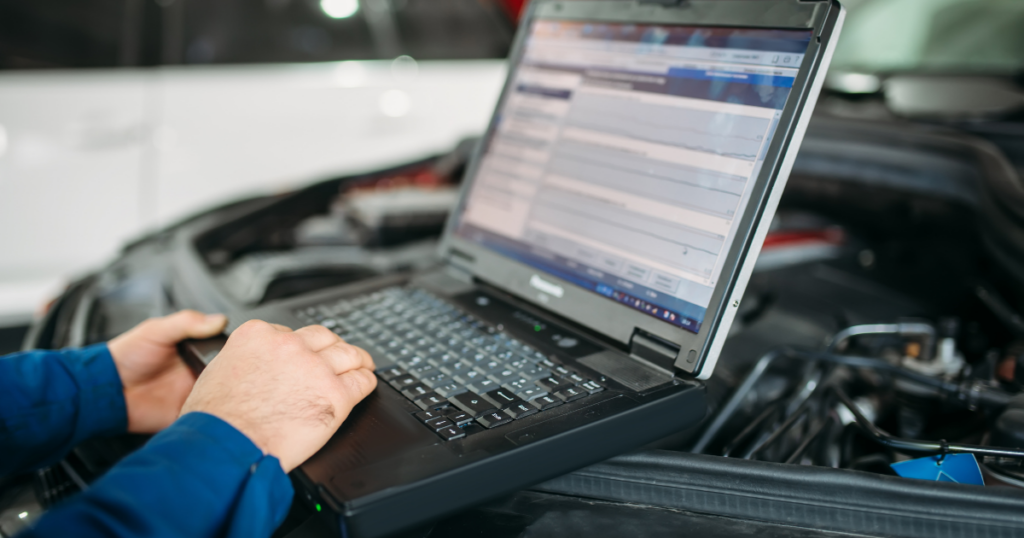
Regular car maintenance involves more than routine servicing, as different components need attention at different intervals. The table below provides a practical overview of common maintenance items, their typical servicing frequency, estimated costs based on the existing article, and the main factors that can affect the final price.
| Maintenance Item | Typical Frequency | Estimated Cost (S$) | Main Factors Affecting Price |
| Engine Oil & Filter | Every 10,000 km or 6 months | S$100–S$200 | Oil type, vehicle model and engine requirements |
| Cabin / Air Filter | Every 10,000 km or 1 year | S$50–S$150 | Filter type and vehicle model |
| Tyres | Based on wear, age and driving conditions | S$100–S$500+ per tyre | Tyre size, brand and vehicle type |
| Brake Pads | Based on wear and driving habits | S$150–S$300+ | Vehicle model, parts and brake system |
| Brake Fluid | Based on manufacturer recommendations | Varies | Vehicle requirements and service scope |
| Battery | Based on battery condition and lifespan | Varies | Battery type and vehicle requirements |
| Wiper Blades | Every 6–12 months, depending on condition | S$30–S$80 | Blade type and vehicle model |
| Vehicle Inspection / Diagnostics | During servicing or when issues arise | Usually included / from S$50 | Inspection scope and diagnostic requirements |
| Other Routine Maintenance | Based on mileage and manufacturer schedule | Varies | Parts required and vehicle condition |
These figures should be used as a general guide, as the final car maintenance cost in Singapore can vary depending on your vehicle, mileage, component condition, parts selected, and servicing requirements. Regular inspections can also help identify wear-and-tear issues early, making it easier to plan maintenance before smaller problems develop into more costly repairs.
What Factors Affect Car Servicing Costs?
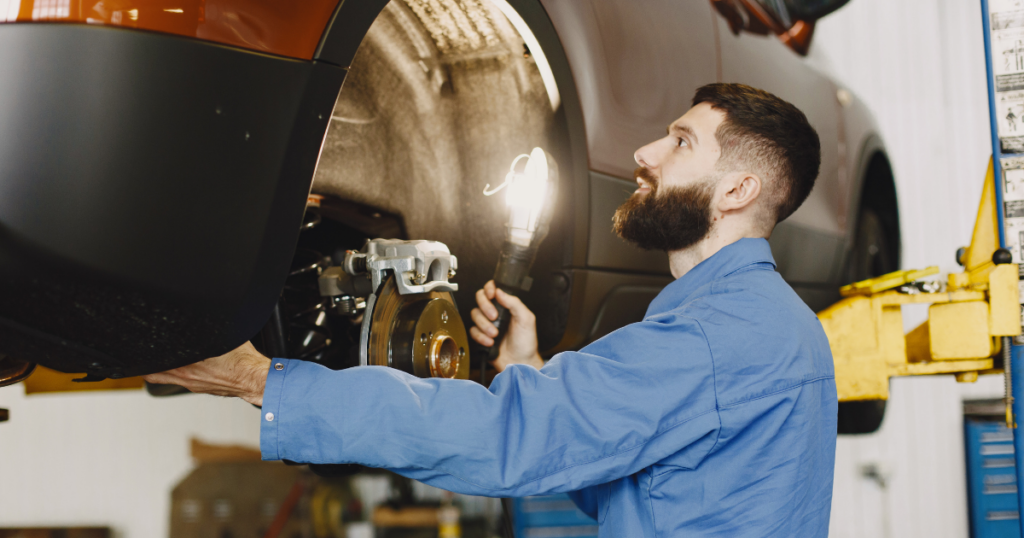
The final cost of car servicing in Singapore depends on more than the basic service price. Your vehicle’s requirements, the work needed, and the parts or equipment involved can all affect the amount you pay.
Vehicle & Mileage: Your car’s make, model, age, and mileage determine the type of servicing and parts it may need. Older or higher-mileage vehicles may require additional checks or replacement of worn components, especially at major service intervals.
Parts & Service Level: OEM and suitable aftermarket parts can have different prices, while routine servicing is usually less involved than a major service. The final cost depends on what your vehicle actually needs rather than simply choosing the most expensive option.
Workshop & Diagnostics: Specialist knowledge and suitable diagnostic equipment can be important for modern, Continental, hybrid, and electric vehicles. The condition of tyres, brakes, filters, batteries, and other wear-and-tear parts can also affect the final servicing bill.
Car Maintenance Schedule: What Should You Service and When?
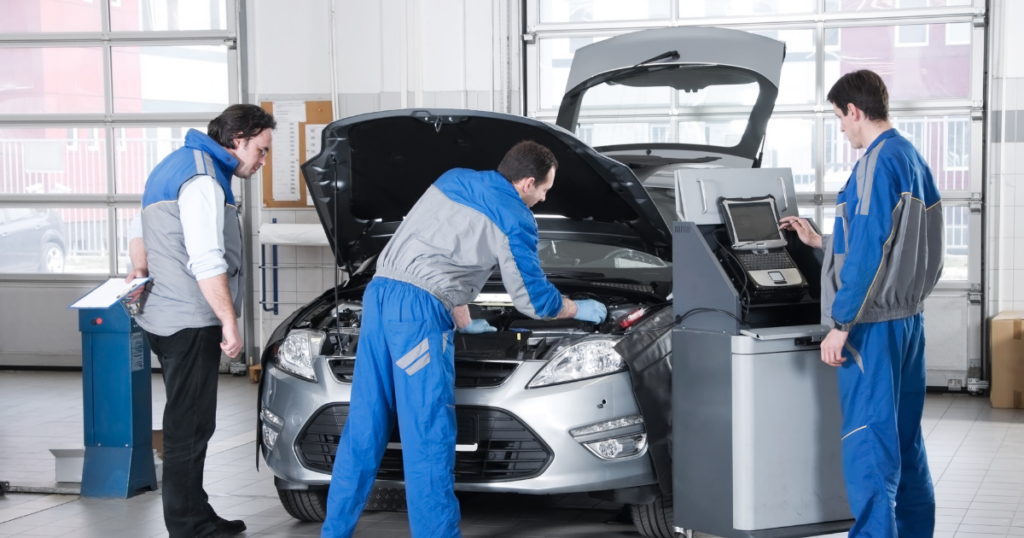
Following a regular maintenance schedule helps you identify problems early and keep your vehicle reliable. While the exact timing depends on your make, model, mileage, and manufacturer recommendations, the following roadmap provides a practical guide for common maintenance needs in Singapore.
| Maintenance Item | When to Service / Check | What to Look For |
| Oil & Filter | Around every 10,000 km or 6 months, where applicable | Engine oil condition, oil level and filter condition |
| Air / Cabin Filters | Around every 10,000 km or 1 year, depending on vehicle | Dirt, reduced airflow and filter condition |
| Tyres | Check regularly; replace based on wear, age and condition | Tread depth, pressure, cracks and uneven wear |
| Brakes | Inspect during regular servicing; replace when worn | Brake pad thickness, discs, fluid and braking performance |
| Fluids | Check during scheduled servicing; replace according to manufacturer guidance | Engine oil, coolant, brake fluid and other vehicle-specific fluids |
| Battery | Check periodically and when starting or electrical issues appear | Battery health, charging performance and signs of deterioration |
| Cooling System | Inspect during servicing and when temperature issues occur | Coolant level, leaks, hoses and system condition |
| General Vehicle Inspection | During regular and major servicing | Engine, suspension, steering, lights and other safety-related components |
Follow Your Manufacturer’s Schedule
The intervals above are general guidelines, not universal replacement rules. Your vehicle’s manufacturer schedule should take priority, particularly for major services and model-specific components.
Regular inspections are equally important because some parts do not need replacement at a fixed mileage. Checking their actual condition allows you to address wear early and avoid turning a relatively small maintenance issue into a more expensive repair.
Car Maintenance Costs by Vehicle Type
Maintenance requirements are not the same for every vehicle. Your car’s drivetrain, age, mileage, components, and servicing requirements can all influence how much maintenance it needs and what you may spend over time.
| Vehicle Type | Maintenance Characteristics | Common Maintenance Areas | Key Consideration |
| Japanese & Korean Cars | Generally straightforward routine maintenance | Oil, filters, tyres, brakes and other wear-and-tear parts | Follow the recommended service schedule and monitor component condition |
| European / Continental Cars | More complex systems and diagnostic requirements | Engine, electronics, brakes, suspension and specialist components | Specialist knowledge and suitable diagnostic equipment can be important |
| Hybrid Cars | Combine conventional vehicle maintenance with hybrid systems | Engine servicing, brakes, tyres and hybrid battery system | Both conventional and hybrid-specific components should be inspected |
| Electric Vehicles (EVs) | Fewer traditional engine components but still require regular maintenance | Tyres, brakes, battery-related systems and cooling components | EV-specific inspection is important for long-term reliability |
Japanese & Korean Cars
Japanese and Korean vehicles typically follow familiar routine servicing requirements, including oil and filter changes, brake checks, tyre inspections, and other wear-and-tear maintenance. Following the manufacturer’s schedule can help keep these vehicles reliable while making regular maintenance costs easier to plan.
European / Continental Cars
BMW, Mercedes-Benz, Audi, and other Continental vehicles can involve more complex electronic and mechanical systems, making accurate diagnostics and specialist knowledge particularly important. Choosing a workshop experienced with these Continental vehicles Car Service can help identify issues correctly and avoid unnecessary repairs.
Hybrid Cars
Hybrid vehicles require many of the same maintenance checks as conventional cars, while also having hybrid-specific components that need appropriate inspection. Battery condition, braking systems, tyres, and conventional engine components should all be considered as part of the vehicle’s overall maintenance. If these areas need professional attention, our Hybrid Car Service and Hybrid Car Battery Service can provide the specialised support required.
Electric Vehicles (EVs)
EVs have fewer traditional engine components, so some conventional maintenance requirements are reduced, but tyres, brakes, battery systems, cooling components, and general vehicle condition still require attention. Regular EV-specific inspections can help identify potential issues and support reliable long-term vehicle operation, with our Electric Vehicle & Van Service & Maintenance available when specialised care is needed.
How Singapore’s Climate Can Affect Car Maintenance
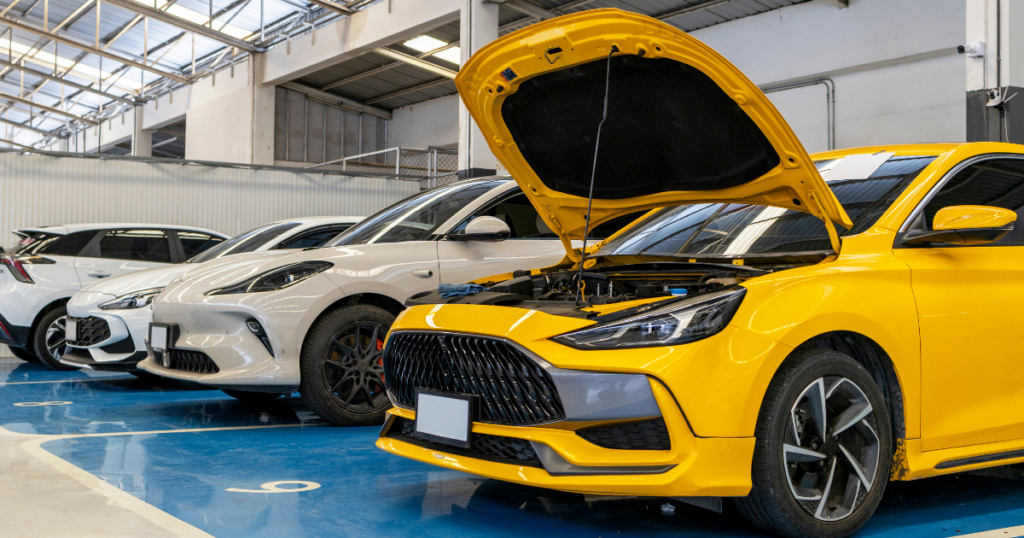
Singapore’s hot and humid climate can affect several parts of a vehicle over time, making regular checks important for both reliability and maintenance planning. Heat and humidity can contribute to the deterioration of rubber components, affect battery performance, increase tyre wear, and place additional demands on the cooling and air-conditioning systems.
| Area | What to Watch For |
| Rubber Components | Heat and humidity can contribute to the ageing of belts, hoses, seals, and suspension bushes, so regular inspection is important. |
| Battery | High temperatures can affect battery condition and may reduce its useful life, making periodic battery checks worthwhile. |
| Tyres | Regular checks of tyre pressure, tread, cracks, and uneven wear are important, particularly in Singapore’s warm conditions. |
| Cooling System | Coolant levels, hoses, leaks, and overall cooling-system condition should be checked to help prevent overheating. |
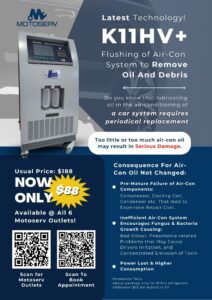
| Air-Conditioning | Frequent use makes a properly functioning air-conditioning system important for comfort, so unusual smells, weak cooling, or reduced airflow should be checked promptly. |
For vehicles that spend considerable time outdoors, paying attention to these areas can help identify climate-related wear before it develops into a larger maintenance issue. Regular servicing and inspections, including our Car Aircon Service Package, can help plan necessary repairs and keep your vehicle performing reliably
How Singapore’s Climate Can Affect Car Maintenance
Singapore’s hot and humid climate means regular vehicle care is important, particularly for cars that are frequently exposed to heat or parked outdoors. Heat and humidity can affect rubber components such as belts, hoses and bushes, while high temperatures can also place additional stress on the battery, tyres and cooling system. Checking tyre pressure, tread and condition, monitoring coolant levels and looking for signs of wear or leaks can help prevent avoidable problems, while regular air-conditioning checks can help maintain comfortable cooling in Singapore’s warm weather. If your air-conditioning is showing weak cooling, reduced airflow or unusual smells, a Car Aircon Service Package can help identify and address the issue early.
Warning Signs That Your Car Needs Servicing
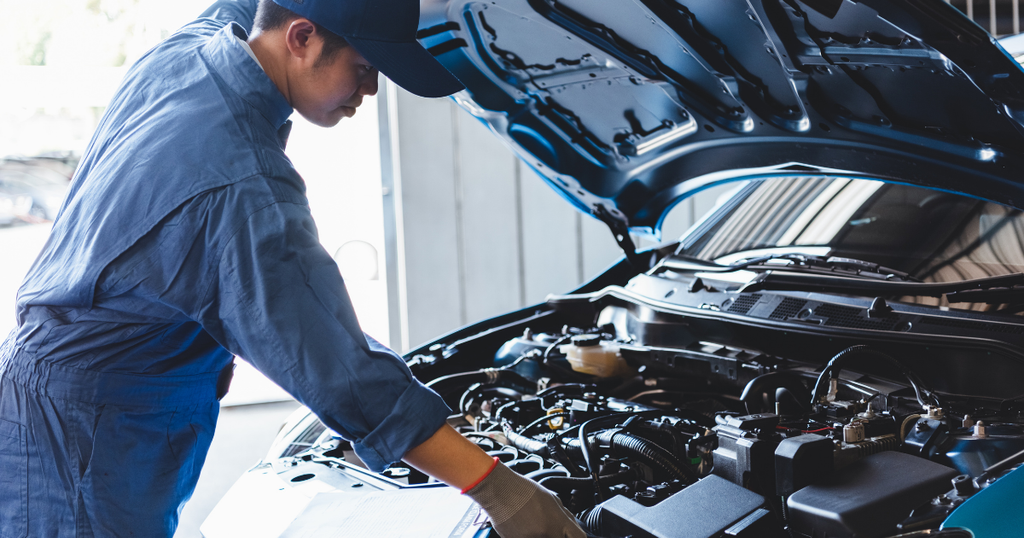
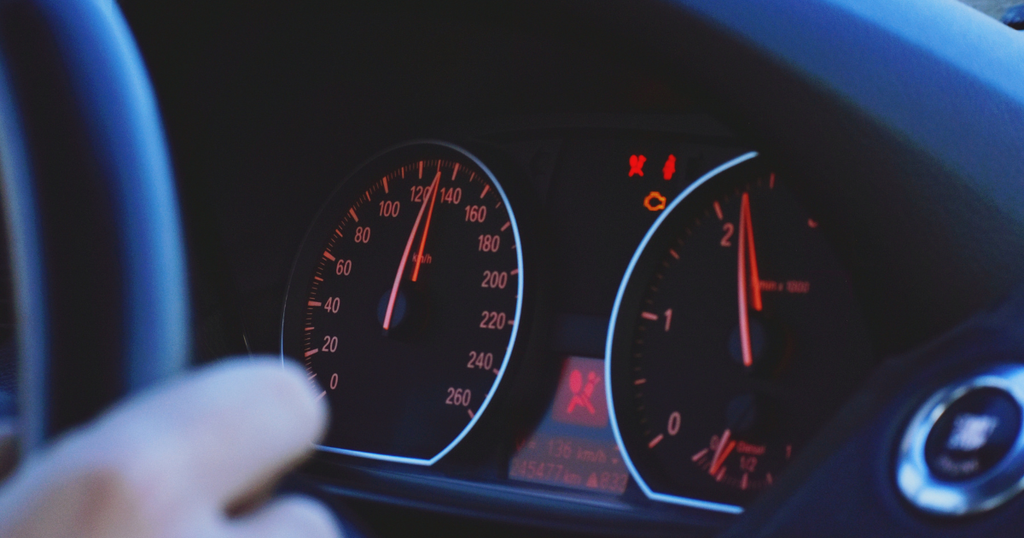
Your car may show small signs when it needs attention, such as dashboard warning lights, unusual engine noises, difficulty starting, or a noticeable drop in fuel efficiency. Problems with the brakes, steering or suspension, including vibration, unusual noise, or changes in handling, should also be checked rather than ignored.
Other signs can appear through everyday use. Weak air-conditioning, unusual tyre wear, or visible fluid leaks may indicate that a component needs inspection or servicing. If you notice any of these changes, professional engine and diagnostics, tyre, battery, air-conditioning, or general servicing can help identify the cause before it develops into a more serious problem.
You do not always need to wait for a breakdown or major warning light before visiting a workshop. Early inspection can help you understand what your vehicle actually needs, plan the necessary maintenance, and avoid allowing a small issue to become a larger repair.
How to Reduce Long-Term Car Maintenance Costs
Following your vehicle’s recommended service schedule is one of the simplest ways to keep maintenance costs under control. Do not ignore warning signs, and have tyres, brakes, filters, batteries, fluids, and other wear-and-tear components checked early. Using suitable-quality replacement parts and maintaining the correct tyre pressure can also help reduce unnecessary wear and avoid preventable problems.
Keeping complete service records makes it easier to track maintenance and plan upcoming work, while choosing a workshop with the right experience and equipment for your vehicle can help ensure problems are diagnosed correctly. In many cases, addressing a developing issue through preventive maintenance can be more manageable than waiting for a major failure and facing a larger repair later.
Maintaining Your Car to Protect Resale Value
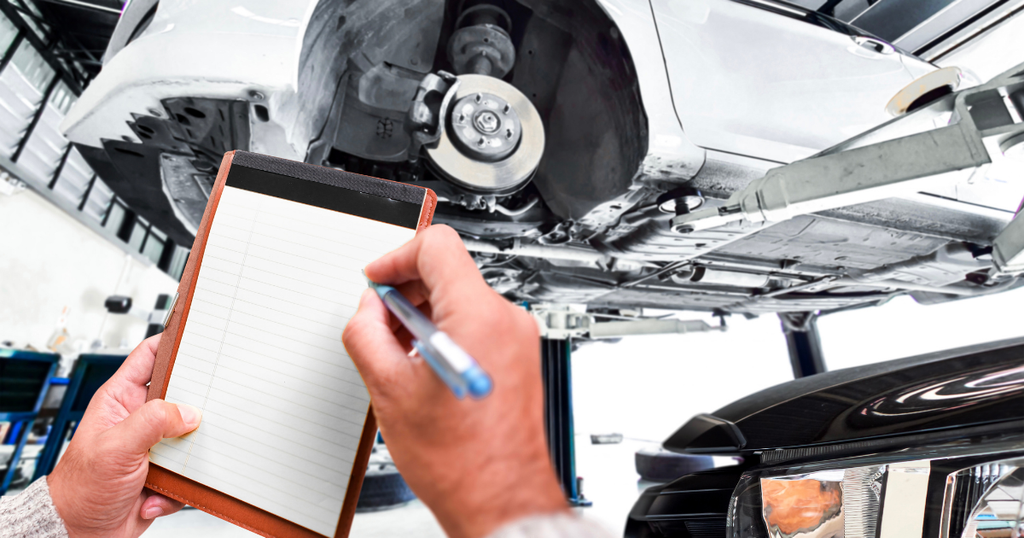
Keeping your car regularly serviced and maintaining a clear record of its maintenance can make it easier for potential buyers to understand how the vehicle has been cared for. Keep service invoices, inspection records, and details of genuine or suitable-quality replacement parts, as transparent documentation can give buyers greater confidence in the vehicle’s condition. Addressing maintenance needs on time also helps keep the car in better condition, making its service history a useful part of the resale process.
How to Choose a Car Workshop in Singapore
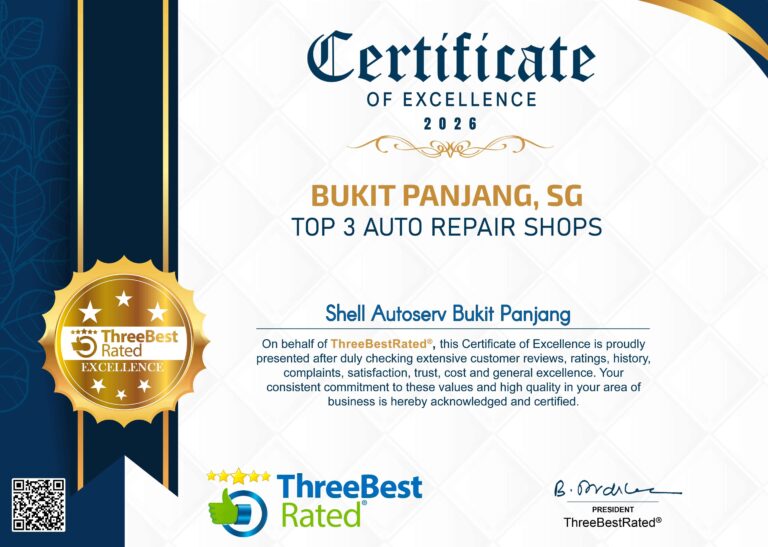
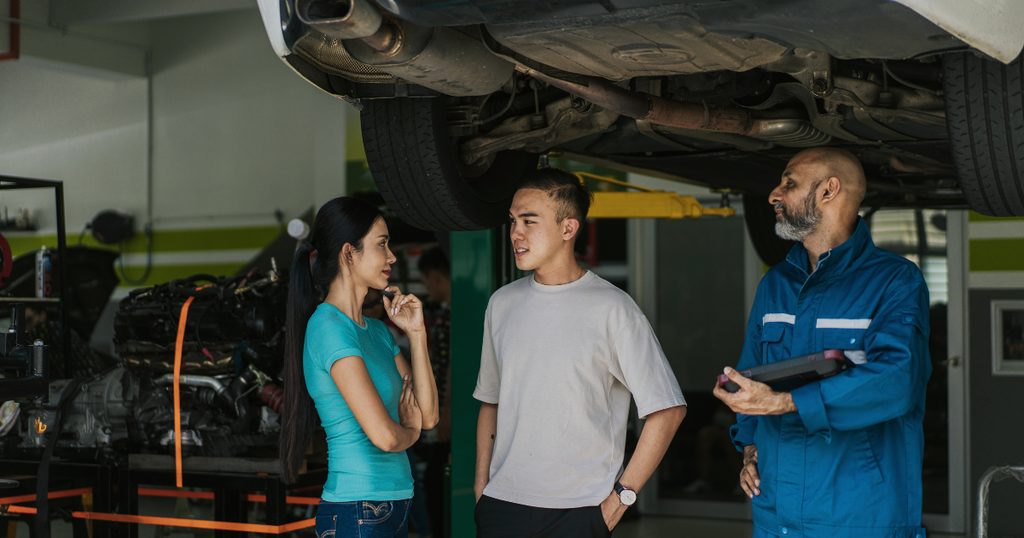
When choosing a car workshop in Singapore, look beyond the quoted price. A reliable workshop should provide a clear quotation, qualified technicians, suitable diagnostic equipment, and appropriate parts options for your vehicle. It is also worth checking whether they provide clear service records, warranty or after-service support, and have experience with your particular make, model, or vehicle type.
Motoserv brings these factors together through its professional car servicing network, with certified technicians, genuine and quality parts, and services covering general, Continental, hybrid, electric, and other vehicle types. With workshop locations across Singapore, drivers can also choose a convenient location for regular servicing, inspections, and follow-up maintenance.
Motoserv Car Servicing & Maintenance Solutions
Good car maintenance starts with understanding what your vehicle actually needs. Regular servicing, timely inspections, proper diagnostics, and early attention to tyres, brakes, batteries, fluids, air-conditioning, and other wear-and-tear components can help prevent small issues from becoming larger repairs. Choosing a workshop with the right technical knowledge and equipment also helps ensure that maintenance is based on the vehicle’s actual condition rather than unnecessary work.
When your car needs professional attention, Motoserv offers solutions for different vehicle types and maintenance needs. You can explore General Service & Maintenance, Continental Car Service, Hybrid Car Service, Hybrid Car Battery Service, Electric Vehicle & Van Service, Car Aircon Service, Pre-Purchase Inspection, and Chinese Car Servicing, with each service linking directly to its dedicated Motoserv page. This allows you to check the specific service your vehicle may need and take the next step toward a professional inspection or maintenance service.
Car Maintenance Cost Singapore: FAQs
How much does car maintenance cost in Singapore?
Car maintenance costs vary by vehicle type, age, mileage, and condition. Routine servicing for many cars may start around S$100–S$200, while major or specialist work can cost more.
How much does a basic car service cost in Singapore?
A basic service commonly includes engine oil and filter replacement, fluid checks, and general inspections. Typical engine oil and filter servicing can cost around S$100–S$200.
How often should I service my car?
Many cars are serviced around every 10,000 km or six months, where applicable. Always follow your manufacturer’s recommended schedule.
Are European cars more expensive to maintain?
They can be, as Continental cars often have more complex systems and may require specialist diagnostics and parts.
Are hybrid cars cheaper to maintain?
Hybrid cars may reduce some maintenance requirements, but they still need engine servicing, brake, tyre, and hybrid-system checks.
How much maintenance does an EV need?
EVs have fewer traditional engine components but still require maintenance for tyres, brakes, battery-related systems, cooling components, and general vehicle condition.
What is included in a car service?
Depending on the service, it can include oil and filter changes, fluid checks, tyre and brake inspections, battery checks, and general diagnostics.
Should I use OEM or aftermarket parts?
Both can be suitable depending on the vehicle and component. The important factor is using appropriate, quality parts that meet the vehicle’s requirements.
When should I replace brake pads?
Brake pads should be replaced when inspection shows significant wear or they reach the recommended limit. Driving habits and vehicle type affect their lifespan.
How can I reduce car maintenance costs?
Follow the recommended service schedule and address wear or warning signs early. Regular checks of tyres, brakes, fluids, filters, and batteries can help prevent more expensive repairs.
Final Thoughts on Car Maintenance in Singapore
Understanding car maintenance costs is about more than knowing the price of a service. Your vehicle type, mileage, condition, maintenance schedule, and required repairs all influence the overall cost. Regular servicing and timely inspections can help identify wear and potential issues early, helping you maintain your vehicle’s safety, reliability, and long-term condition.
Whether you drive a Japanese, Korean, Continental, hybrid, or electric vehicle, choosing the right maintenance approach and a professional workshop can make vehicle care easier and more predictable. Motoserv provides professional servicing, inspections, diagnostics, and maintenance solutions designed around different vehicle types and requirements.
Get a Service Estimate | Book a Service | Contact Motoserv