
Engine idling is when your car’s engine continues running while the vehicle is stationary, such as when you are stopped at a traffic light, waiting in traffic, or parked with the engine on. During this time, the engine operates at a low, steady speed without the accelerator being pressed. Some vibration is normal because the engine’s internal components continue moving and producing power, but you should generally feel only a slight vibration rather than strong shaking. If your car vibrates excessively, the steering wheel or seats shake noticeably, or the engine seems to run unevenly while stationary, it may indicate an underlying problem. Possible causes include worn engine mounts, faulty ignition components, air or fuel delivery issues, or an irregular idle speed. These problems can affect engine smoothness and performance, so unusual shaking should not be ignored, even if the vehicle seems to drive normally once you start moving. Identifying the cause early can help prevent further damage and avoid more expensive repairs.
Table of Contents
Common Signs of Rough Idling
When your car has a rough idle, you may notice several changes in how the engine behaves while the vehicle is stationary. One common sign is excessive vibration that you can feel through the steering wheel, seats, or even the vehicle’s body. You may also notice uneven or fluctuating engine RPM, meaning the engine speed keeps rising and falling instead of remaining stable. In some cases, the engine may produce unusual noises or sound as though it is struggling to run smoothly. Another warning sign is hesitation or stalling, where the engine briefly struggles to maintain power or switches off while the car is stopped. You may also see the Check Engine warning light on the dashboard, which can indicate that the engine management system has detected a fault. These symptoms may occur individually or together, and paying attention to them can help you recognise rough idling early and understand when your vehicle needs a proper inspection.
Common Causes of Car Shaking at Idle
Several mechanical issues can cause your car to shake while the engine is idling. Worn or damaged engine mounts may fail to absorb normal engine vibrations, allowing them to transfer through the vehicle’s body and into the steering wheel or seats. Faulty spark plugs or ignition coils can interrupt the combustion process and cause engine misfires, resulting in rough running and noticeable vibration. Vacuum leaks or damaged intake hoses can allow unwanted air into the engine, disturbing the air-fuel mixture and making it difficult to maintain a stable idle. Dirty fuel injectors or fuel delivery problems may prevent the engine from receiving the correct amount of fuel, leading to uneven combustion and reduced performance. Similarly, a dirty throttle body or idle-control issue can disrupt airflow and prevent the engine from maintaining a consistent RPM. Faulty engine sensors can also contribute to rough idling by sending incorrect information to the engine control unit, affecting fuel delivery and engine operation. Since these problems can produce similar symptoms, identifying the actual cause requires proper inspection and diagnostic testing rather than replacing components based on vibration alone.
How to Diagnose Why Your Car Shakes at Idle
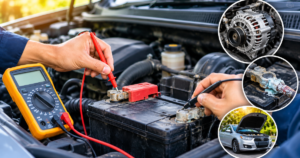
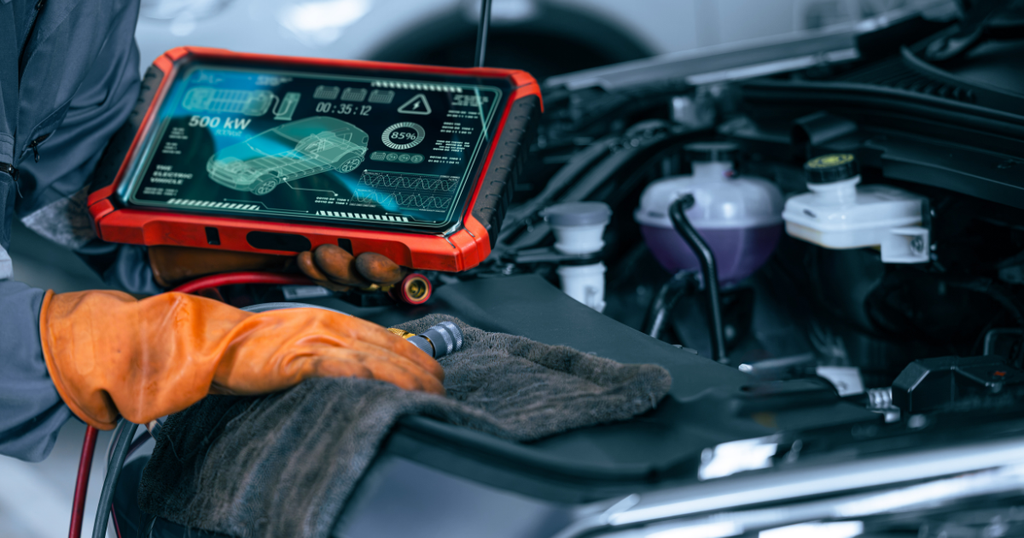
Finding the exact cause of shaking at idle requires checking the engine and its related components rather than relying on symptoms alone. Start by checking the dashboard for warning lights, particularly the Check Engine light, and use a diagnostic scanner to identify stored fault codes that may indicate an engine or sensor problem. Next, inspect the engine mounts for visible cracks, wear, or damage, and check whether any nearby connections are loose. Examine the spark plugs and ignition coils for faults that could cause engine misfires, then inspect the intake hoses and connections for cracks or vacuum leaks that may disrupt the air-fuel mixture. The fuel delivery system and airflow should also be tested to identify restrictions, incorrect fuel pressure, or other irregularities. Finally, check the relevant engine sensors and monitor idle performance to determine whether the engine maintains a stable RPM. If the cause is not clear, a professional inspection through Motoserv’s Service & Maintenance Solution can help assess the vehicle and identify faults using appropriate diagnostic equipment.
How to Fix and Prevent Engine Shaking at Idle
The right repair depends on the underlying cause of the engine vibration, so identifying the faulty component is important before replacing or cleaning any parts. Replace worn engine mounts if they are cracked, damaged, or no longer absorbing engine vibrations properly, as this can reduce excessive shaking inside the vehicle. Repair or replace faulty spark plugs and ignition coils to restore proper combustion and prevent engine misfires that cause rough idling. Clean or repair fuel and intake components, including dirty fuel injectors and restricted throttle bodies, to help maintain proper fuel delivery and airflow. Fix vacuum leaks by replacing damaged hoses, securing loose connections, or repairing leaking intake components so the engine receives the correct air supply. To reduce the risk of these problems returning, maintain regular engine servicing and have important components such as spark plugs, filters, intake connections, and ignition systems inspected according to the vehicle manufacturer’s maintenance schedule. Addressing unusual vibrations early can help maintain smooth engine operation, improve reliability, and prevent minor faults from developing into more expensive repairs.
When Should You Get Your Car Checked by a Mechanic?
You should have your car inspected by a qualified mechanic if engine shaking continues, becomes more noticeable, or starts affecting the vehicle’s normal operation. Persistent or worsening vibration may indicate problems with engine mounts, ignition components, fuel delivery, or other engine-related systems that require proper diagnosis. Frequent engine stalling should also be taken seriously, as it can affect vehicle control and become dangerous, particularly in traffic. A flashing Check Engine light is an especially important warning because it can indicate an active engine misfire that may damage the catalytic converter; reduce engine load and stop somewhere safe as soon as possible, then arrange professional assistance. You should also seek an inspection if you notice reduced engine power, poor acceleration, or unusual knocking and rattling noises. Having these symptoms checked early can help identify the fault, prevent further damage, and avoid more costly repairs.
Frequently Asked Questions
Why does my car shake at idle but stop when driving?
Some engine problems are more noticeable at low RPM because the engine produces less power and has less momentum to smooth out irregular operation. Worn engine mounts, misfires, and airflow problems are common possibilities.
Can bad engine mounts cause shaking?
Yes. Worn or damaged engine mounts cannot absorb engine vibrations effectively, allowing excessive shaking to transfer into the steering wheel, seats, and vehicle body.
Can faulty spark plugs make a car vibrate?
Yes. Faulty or worn spark plugs can cause incomplete combustion and engine misfires, resulting in rough idling, vibration, and reduced engine performance.
Why does my car shake more when the AC is on?
The air conditioning system adds load to the engine. If the idle-control system, engine mounts, or other engine components are not functioning properly, this additional load can make existing vibrations more noticeable.
Is it safe to drive with a rough idle?
It depends on the severity and cause. Persistent shaking, frequent stalling, or a flashing Check Engine light requires prompt attention; stop safely if the engine is running severely rough and arrange a professional inspection.
Get Your Car Inspected by Motoserv
Engine shaking at idle may seem like a minor inconvenience, but it can indicate an underlying problem with the engine mounts, ignition system, fuel delivery, or airflow components. Identifying the actual cause is important because different faults can produce similar symptoms, and replacing parts without a proper diagnosis may lead to unnecessary expenses. If your vehicle continues to vibrate, experiences frequent stalling, or shows signs of reduced engine performance, a professional inspection can help identify the faulty components and determine the appropriate repairs. Motoserv provides vehicle servicing and maintenance solutions to help drivers address mechanical issues and maintain reliable vehicle performance. If you need assistance with your vehicle, contact Motoserv to arrange an inspection and get professional guidance on the next steps.