

Transmission problems can start with symptoms such as delayed gear engagement, slipping, rough or jerky shifting, unusual noises, fluid leaks, or a transmission warning light. Because the transmission is one of the most complex and costly components of a vehicle, discovering a serious problem often leaves drivers with an important decision: should the existing transmission be overhauled, or should it be replaced with another unit? A transmission overhaul involves inspecting and rebuilding the existing gearbox by replacing worn or damaged components, while a replacement involves removing the faulty unit and installing a new, remanufactured, or used transmission. The right option depends on several factors, including the extent of the damage, the vehicle’s age and condition, the expected repair cost, and how long you plan to keep the vehicle. For drivers in Singapore, remaining COE and everyday stop-and-go driving conditions can also be important considerations when deciding how much to invest in a transmission repair. This guide explains the differences between an overhaul and replacement, what each process involves, and the key factors to consider before making a repair decision.
Transmission Overhaul vs. Replacement: What’s the Difference?
A transmission overhaul and a transmission replacement are two different ways of dealing with a faulty transmission. With an overhaul, the existing transmission is removed and opened so the workshop can inspect its internal parts, replace components that are worn or damaged, and rebuild the unit for further use. The main structure of the original transmission is kept when it is still in usable condition. With a replacement, the faulty transmission is removed and another transmission is installed in its place. The replacement unit may be a new OEM transmission, a remanufactured unit that has been rebuilt and tested, or a used transmission from another vehicle. The best option depends on what has gone wrong inside the transmission, how much of the original unit can still be used, the repair cost, and the condition and age of the vehicle.
What Is a Transmission Overhaul?
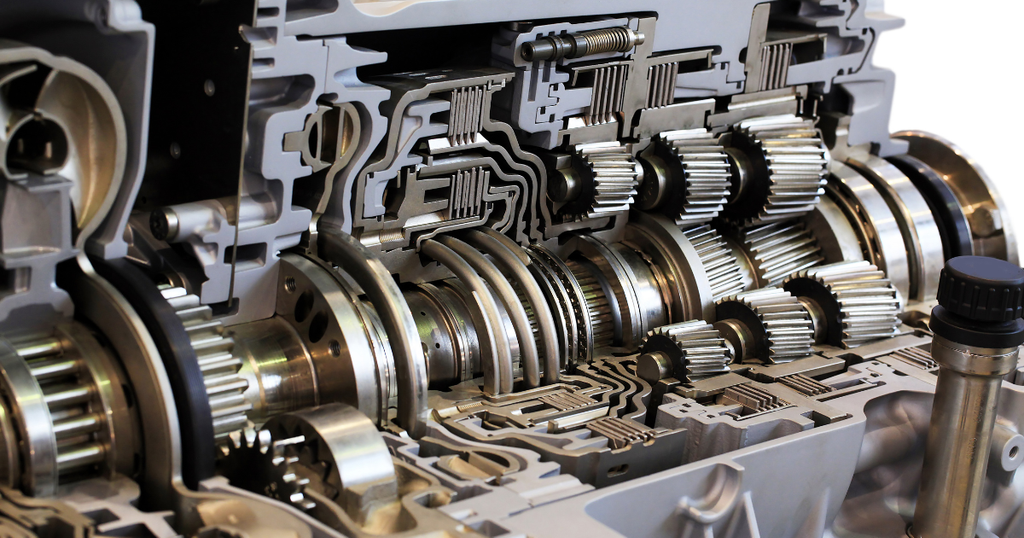
A transmission overhaul, also known as a transmission rebuild, means repairing the existing transmission instead of replacing the entire unit. The transmission is first removed from the vehicle and carefully dismantled so the workshop can inspect and clean its internal components. Parts that have become worn or damaged, such as clutch components, seals, gaskets, O-rings and filters, are replaced as needed, while major parts are checked to see whether they are still in good working condition. If required, other components such as gear sets, drums, the valve body or related electronic parts may also need attention. Once the necessary repairs are completed, the transmission is carefully reassembled, the correct transmission fluid is added, and the system is checked through diagnostics, programming or adaptation where required. A road test is then carried out to make sure the transmission is working properly. An overhaul can be a practical way to repair a transmission while keeping usable original components, but the quality of the result depends heavily on accurate diagnosis, the parts used and the experience of the workshop carrying out the work.
What Is a Transmission Replacement?
A transmission replacement involves removing the faulty transmission from the vehicle and installing another unit in its place. Depending on the vehicle, availability and budget, the replacement can be a new OEM transmission, a remanufactured transmission, or a used transmission. A new OEM unit is supplied as a replacement from the manufacturer, while a remanufactured unit has been rebuilt and checked for use again. A used transmission is taken from another vehicle and may be considered when a suitable unit is available. During the replacement, the workshop removes the old transmission, installs the replacement unit and reconnects the required sensors, brackets and other components. The correct transmission fluid is then added, and the vehicle may require computer programming or adaptation so the transmission and vehicle control system work correctly together. Finally, diagnostic checks and a road test are carried out to confirm that the transmission is operating properly and that the original problem has been resolved.
When Should You Consider an Overhaul or Replacement?
Choosing between a transmission overhaul and replacement depends mainly on the condition of the transmission and the cost of repairing it. An overhaul may be considered when the problem is caused by worn or damaged parts that can still be repaired or replaced, while the main parts of the transmission are in usable condition. In this situation, rebuilding the existing transmission can allow the workshop to repair the specific problem without replacing the entire unit. On the other hand, replacement may be considered when the transmission has severe internal damage, major gear or casing damage, or when the cost of repairing it becomes close to the cost of another suitable transmission. Availability also matters, as a suitable replacement unit may sometimes be easier and faster to source. Before making a decision, a proper inspection should identify what has failed and which parts can still be used, so the repair option is based on the actual condition of the vehicle rather than cost alone.
Cost, Repair Time and Reliability
The cost, repair time, and reliability of a transmission repair depend on the type and extent of the damage. An overhaul may cost less when the main parts of the transmission are still in good condition, while replacement costs can vary depending on whether you choose a new, remanufactured, or used unit. In terms of repair time, replacement can be quicker when a suitable transmission is readily available, while an overhaul usually takes longer because the unit must be opened, checked, repaired, and tested. Reliability depends on the quality of the parts used and the skill of the transmission specialist, along with proper assembly, computer calibration, and final testing.
How Singapore Driving Conditions Affect Transmission Problems
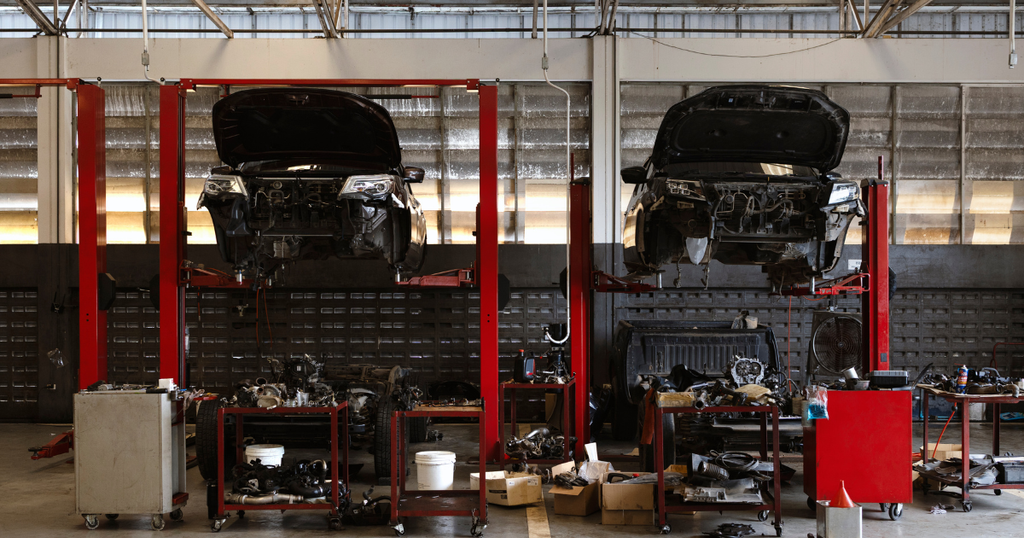
Singapore’s frequent stop-and-go traffic can put extra stress on a vehicle’s transmission, especially during repeated low-speed gear changes. The heat created in heavy traffic can also increase transmission fluid stress, making proper fluid condition and maintenance important. CVT and dual-clutch transmissions can be more affected by these conditions because their components are sensitive to heat and repeated shifting. When deciding how much to spend on a transmission repair, it is also important to consider the vehicle’s age and remaining COE period. A car with many years left on its COE may justify a higher-quality repair, while a vehicle nearing the end of its COE may call for a more careful look at the overall repair cost.
Transmission Problems You Should Not Ignore
Transmission problems can start with small changes that are easy to overlook, but they should not be ignored. Delayed gear engagement, slipping gears, rough or hard shifting, or shuddering when the vehicle moves may indicate an internal transmission problem. Unusual grinding, whining, or other new transmission noises can also be a warning sign, while fluid leaks may point to a seal or other component problem. If a transmission or check-engine warning light appears, the vehicle should be checked by a specialist as soon as possible. Early diagnosis can help identify the problem before more components are damaged, which may reduce the repair cost and prevent a smaller issue from turning into a major transmission failure.
What Should You Check Before Approving a Transmission Repair?
Before approving a transmission repair, ask the workshop a few important questions so you know exactly what you are paying for. Ask what has failed and whether the transmission needs to be opened for a proper inspection. Confirm which parts will be replaced and, if a replacement unit is recommended, whether it is new, remanufactured, or used. Make sure the quotation clearly explains what is included, including parts, labour, fluid, and any required testing or programming. You should also ask what warranty is provided and how long the repair is expected to take. Having these details clearly explained before work begins can help you avoid unexpected costs and make a more informed repair decision.
Get Your Transmission Checked by MotoServ
If your transmission is showing signs of trouble, MotoServ can help you find the actual cause before you commit to a repair. Our professional transmission inspection and diagnosis help identify the problem and determine whether an overhaul or replacement is more suitable. Based on your vehicle’s condition, we can explain the available options and help you choose an appropriate repair solution with a clear understanding of what is needed.

Conclusion
Choosing between a transmission overhaul and replacement is not simply a matter of choosing the cheaper option. The condition of the transmission, the extent of the damage, the expected repair cost, the vehicle’s age, and the remaining COE period should all be considered. It is also important to think about how long you plan to keep the vehicle, as this can affect how much you should invest in the repair. By understanding these factors and having the transmission properly inspected, you can make a more informed decision that suits your vehicle, budget, and future ownership plans.