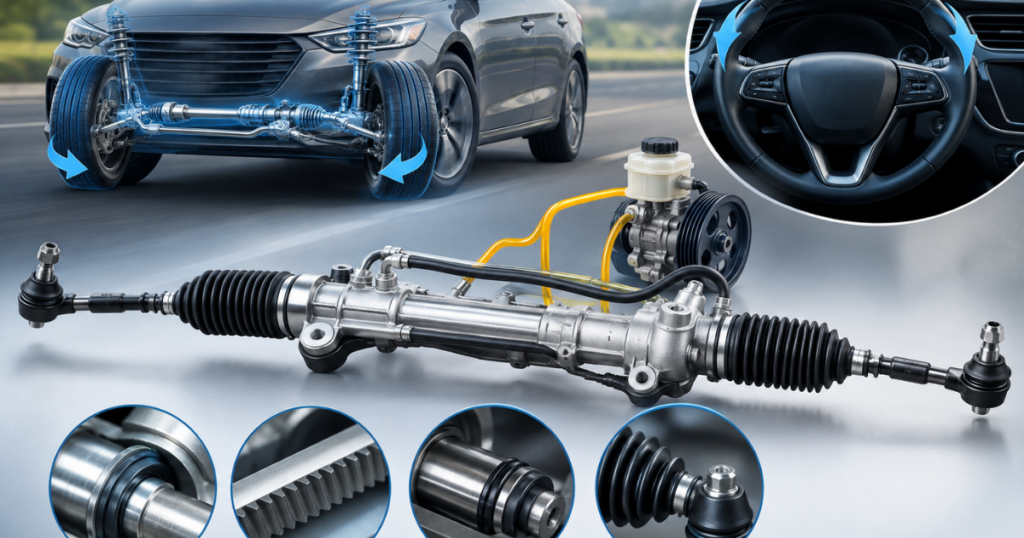
A power steering rack is one of the key components that connects your steering wheel to the front wheels and helps turn the vehicle in the direction you choose. In a traditional rack-and-pinion system, turning the steering wheel moves a pinion gear along the steering rack, which then moves the wheels from side to side. In hydraulic power steering systems, pressurised fluid provides additional assistance, making the steering lighter and easier, especially when parking or driving at low speeds. The rack also contains seals and other components that keep the hydraulic fluid contained and the steering system working properly. When these parts begin to wear or develop a leak, steering can become heavier, noisy, or less responsive, making it important to identify the problem early and determine whether the rack can be repaired or needs to be replaced.
Signs of a Steering Rack Problem
A steering rack problem can develop gradually, and the first warning signs often appear as changes in steering feel, fluid condition, or unusual sounds. Heavy or stiff steering, especially when turning at low speeds or when starting the car, can indicate that the rack is losing hydraulic pressure because fluid is bypassing a worn internal seal. Fluid leaking under the car, particularly around the centre-front area, may point to failed rack seals, although leaking high-pressure or return hoses can produce similar symptoms. You may also notice whining or groaning sounds, which can occur when the power steering system is low on fluid, while clunking or knocking when turning can suggest mechanical wear inside the rack or wear in the connected tie rod ends. A burning fluid smell is another warning sign because leaking power steering fluid can reach hot engine or exhaust components. When several of these symptoms appear together, the steering system should be inspected promptly to identify whether the problem is a leaking seal, a damaged rack, a hose issue, or another steering component before further damage occurs.
Can a Leaking Steering Rack Be Repaired?
A leaking steering rack can often be repaired when the main internal components are still in good condition and the problem is primarily caused by worn seals or other replaceable components. During reconditioning, the rack is removed and disassembled so the seals, O-rings, Teflon rings, shafts, and other internal parts can be inspected; worn seals and damaged components are replaced, while the internal rack and metal surfaces are checked for corrosion, pitting, or other wear that could cause the new seals to fail. If the internal rack remains smooth and structurally sound, the unit can be rebuilt and pressure-tested before being reinstalled. However, if the rack has significant internal wear, damaged gears, or pitted shafts, replacing the complete unit may be a more reliable solution. A professional inspection, such as the Service & Maintenance service, and pressure testing are important to confirm the actual source and extent of the leak before deciding between repair and replacement.
Repair vs. Replacement: Which Should You Choose?
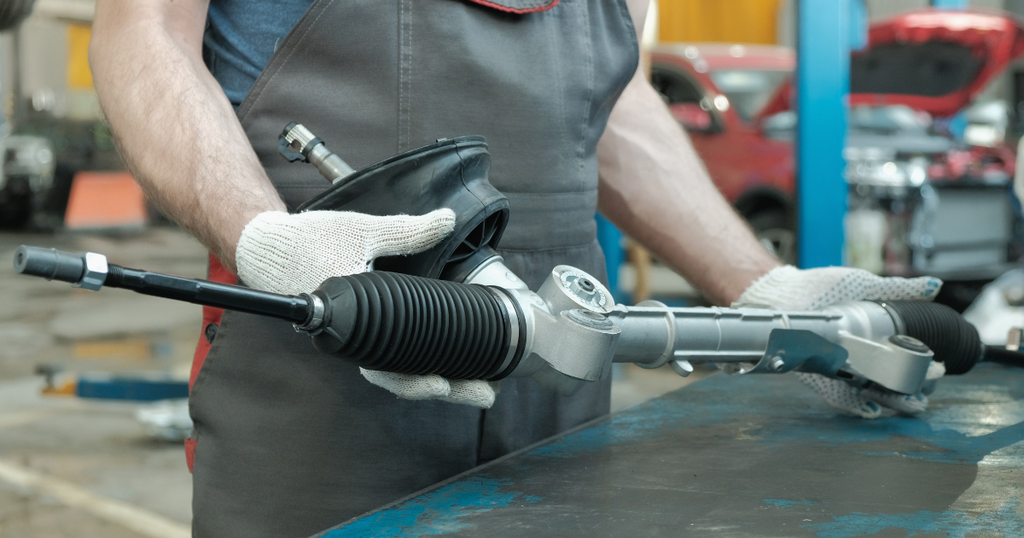
The decision to repair or replace a steering rack depends mainly on the type and extent of the damage and the condition of the rack’s internal components. Repair or reconditioning is generally the better option when the problem is limited to worn seals or other replaceable components, while the internal rack, shafts, and gears remain in good condition. It can cost less and allows you to retain the original rack, but its success depends on the condition of the internal metal surfaces and proper rebuilding and pressure testing. Replacement is more appropriate when the rack has significant internal wear, damaged gears, excessive mechanical play, or other damage that a seal repair cannot resolve. Depending on the vehicle and budget, the replacement may be a brand-new OEM unit, an aftermarket rack, or a professionally reconditioned exchange unit. Although replacement usually has a higher initial cost, it can provide a more reliable solution when the original rack is badly worn.
| Repair | Replacement |
| Best for minor leaks or seal-related problems | Best for serious internal damage or excessive wear |
| Lower cost in many cases | Higher initial cost |
| Original rack can be retained | Can use a new, aftermarket, or reconditioned rack |
| Depends on the condition of internal components | More suitable when the existing rack is badly worn |
If you are considering a used car, a Pre-Purchase Inspection can also help identify steering rack leaks, unusual steering behaviour, or other steering-system problems before you commit to the purchase.
How Much Does Power Steering Rack Repair Cost?
The cost of power steering rack repair in Singapore depends on whether the existing rack can be reconditioned or needs to be replaced, as well as the vehicle model and the parts required. Basic reconditioning can start from around S$400, while a full replacement can exceed S$1,500, particularly on premium European vehicles. Reconditioning is generally less expensive when the rack only requires new seals or other serviceable components and the internal parts remain in good condition. Replacement costs more because you are paying for a complete new, aftermarket, or professionally reconditioned rack in addition to installation. European vehicles can be more expensive to repair because their steering racks and related components may have higher parts costs, while some models also require more extensive work to access the rack. Labour is another major factor, as certain vehicles require the engine subframe to be lowered before the rack can be removed and installed. For this reason, the final price should be based on a proper inspection of the steering system rather than a standard repair figure.
How Is a Steering Rack Repaired?
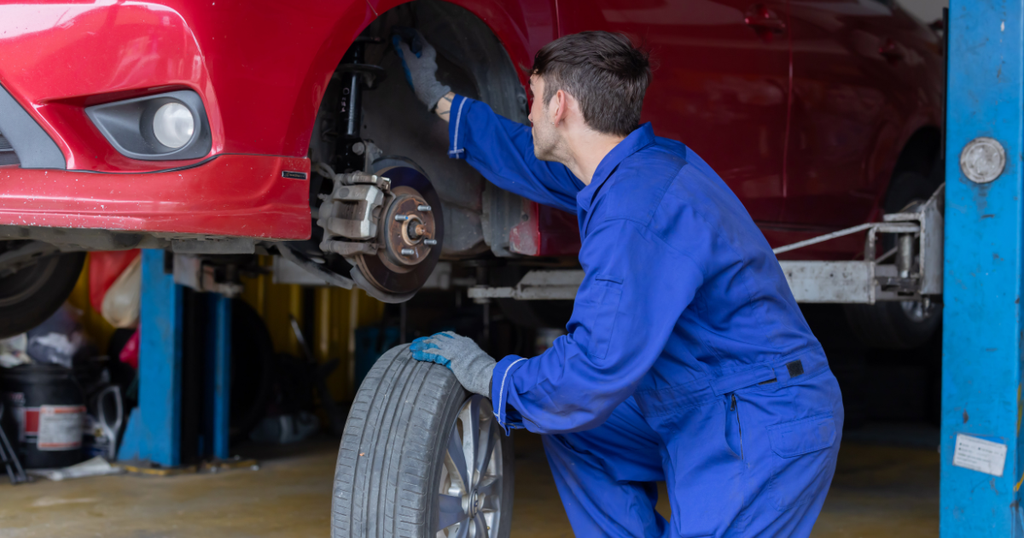
Steering rack repair begins with a thorough inspection to identify the source of the problem and determine whether the rack itself, its seals, hoses, or connected steering components are affected. A pressure test is then carried out to confirm the location of any hydraulic leak and assess the condition of the system. Depending on the findings, the rack may be repaired or replaced; repair can involve replacing worn seals and damaged components when the internal rack remains in suitable condition, while severe internal wear may require a replacement unit. After the rack is installed, the steering system is flushed to remove old fluid and contaminants that could affect the repaired or replacement components. A wheel alignment is then performed because removing and reinstalling the rack can alter the vehicle’s alignment. Finally, a road test is carried out to confirm that the steering operates smoothly, feels correct, and remains quiet during normal driving and turning.
What Happens If You Ignore the Problem?
Ignoring a leaking or failing steering rack can allow a relatively manageable problem to develop into a more serious and expensive steering-system failure. As the condition worsens, steering can become increasingly hard to turn, particularly at low speeds, making the vehicle more difficult to control. If hydraulic fluid continues to escape and the fluid level becomes too low, the power steering pump can draw in air, increasing heat and friction and potentially damaging the pump. Leaking fluid can also reach hot engine or exhaust components, creating a safety concern in the engine bay. In more severe cases, a failing rack can cause a loss of power steering assistance, making the steering suddenly much heavier and reducing the driver’s ability to respond comfortably and safely. Addressing the problem early can help prevent further damage to the steering system and avoid more costly repairs.
Final Takeaway
A leaking power steering rack does not always mean the entire unit needs to be replaced. If the problem is limited to worn seals and the internal rack, shafts, and gears are still in good condition, professional reconditioning may provide an effective and more economical solution. However, significant internal wear, damaged gears, or excessive mechanical play may make replacement the more reliable choice. The right decision should be based on a proper inspection and pressure test rather than the presence of a leak alone. Addressing steering rack problems early can also help prevent further damage to the power steering system and keep the vehicle safe, responsive, and comfortable to drive.