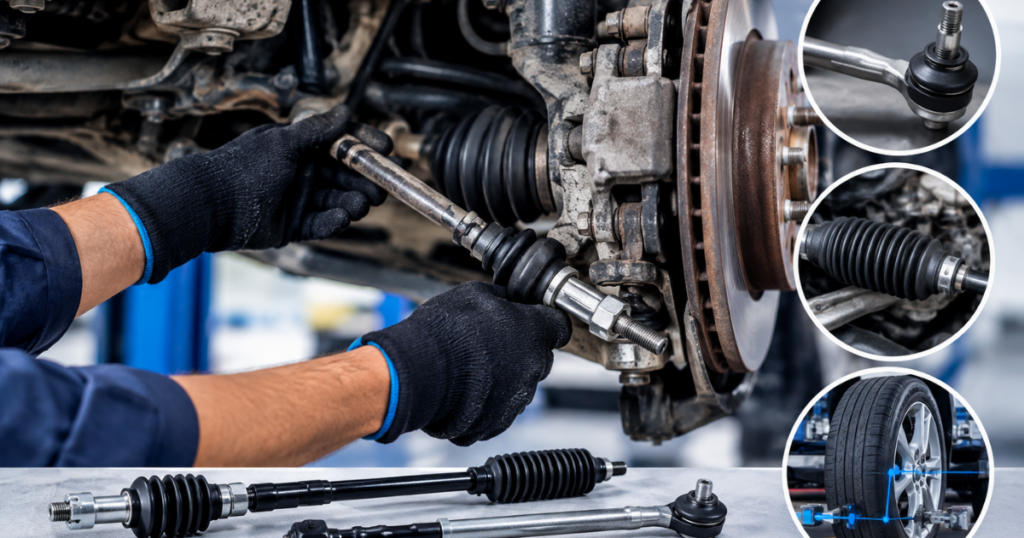
Tie rods and rack ends are essential parts of a vehicle’s steering system, connecting the steering mechanism to the front wheels and helping the wheels respond accurately when you turn the steering wheel. Because these components directly affect steering movement and wheel alignment, their condition plays an important role in maintaining stable, predictable handling.
When a tie rod or rack end becomes worn, the steering may feel less precise, and unwanted movement or unusual noises can develop. These issues can also affect wheel alignment and contribute to uneven tyre wear if they are left unaddressed.
Replacing these components is therefore not simply about installing new parts. The problem should first be diagnosed correctly to identify whether the outer tie rod, inner rack end, or another steering or suspension component is responsible. This guide explains the key signs, diagnosis considerations, replacement process, and importance of a final wheel alignment so readers can better understand what is involved in proper tie rod replacement
What Are Tie Rods and Rack Ends?
Tie rods and rack ends are essential parts of a vehicle’s steering system that transfer the steering rack’s movement to the front wheels. The inner rack end connects directly to the steering rack, while the outer tie rod end connects the steering linkage to the steering knuckle at the wheel. Together, these components allow the front wheels to move smoothly and accurately when the driver turns the steering wheel. Because they also play an important role in maintaining the correct wheel position, worn or damaged tie rods and rack ends can cause steering looseness, reduced handling precision, unusual movement, and changes in wheel alignment. Understanding how these components work together makes it easier to recognise why timely inspection and proper replacement are important for safe, predictable steering.
Signs of a Worn Tie Rod or Rack End
A worn tie rod or rack end can gradually affect how a vehicle feels and responds on the road. Common signs include loose or unstable steering, where the vehicle may feel less precise when changing direction, along with clunking or knocking sounds from the front end, particularly when steering or travelling over uneven surfaces. You may also notice steering wheel vibration, while uneven tyre wear can indicate that the wheels are no longer being held in their correct position. During an inspection, excessive play in the wheel or steering linkage can point to wear in a tie rod or rack end, while damaged or torn dust boots can allow dirt and moisture to reach the joint and accelerate wear. These symptoms should not be ignored, as accurate diagnosis is important to determine whether the tie rod, rack end, or another steering or suspension component is responsible.
How to Check for a Tie Rod Problem
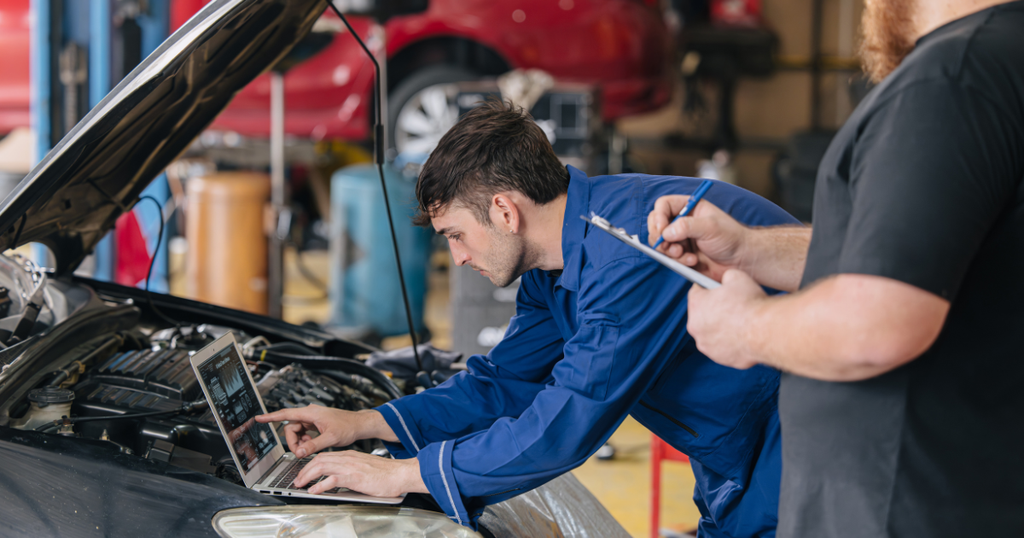
A basic inspection can help identify possible tie rod or rack-end problems, but a proper diagnosis should be carried out by a qualified technician. With the vehicle safely secured, checking the front wheel for movement at the 3-and-9 o’clock positions can help reveal unusual looseness in the steering linkage. The tie rod and rack-end dust boots should also be inspected for cracks, tears, or other visible damage, as damaged boots can expose the joints to dirt and moisture. Any excessive movement at the joints may indicate wear, but it is important not to assume the tie rod is always the cause. Wheel bearings, ball joints, control arms, and other suspension or steering components can produce similar symptoms, so these should be checked as part of a complete inspection before deciding on a repair
Tie Rod Replacement: Basic Steps
Replacing an outer tie rod begins with safely securing the vehicle and removing the front wheel to access the steering connection. The jam nut is then loosened, followed by removal of the retaining nut and cotter pin that secure the tie rod to the steering knuckle. Once the joint is separated from the knuckle, the old outer tie rod can be unscrewed from the steering linkage. Before removal, it is useful to note the original position of the tie rod so the replacement can be fitted as closely as possible to its previous setting; however, this does not replace a proper wheel alignment after the repair. Because the tie rod is part of the vehicle’s steering system, the work should be carried out with the correct equipment and manufacturer specifications to ensure the connection is secure and the steering remains properly aligned.
Installing the New Tie Rod and Rack End
Before installing a new tie rod or rack end, the replacement parts should be compared with the removed components to make sure they are the correct type and fit. The new inner rack end is then fitted securely to the steering rack, followed by careful refitting of the steering boot to keep the joint protected from dirt and moisture. The outer tie rod is connected to the steering knuckle and adjusted to the correct position before the related fasteners are tightened. All connections should be secured according to the vehicle manufacturer’s torque specifications, rather than using a general tightening value. Where required, new locking hardware and cotter pins should be used to ensure the connections remain secure. Once installation is complete, the steering system should be checked and the vehicle should receive a proper wheel alignment to confirm the steering geometry is correct
Why Wheel Alignment Is Required After Replacement
Replacing a tie rod or rack end can affect the vehicle’s wheel alignment, particularly the front-wheel toe setting that helps determine how the wheels point in relation to each other. Measuring the old position or counting the threads can help keep the replacement close to its previous setting, but it is only a temporary reference and cannot confirm that the steering geometry is correct. Even a small alignment change can lead to uneven tyre wear, an off-centre steering wheel, or less predictable steering response. For this reason, a professional wheel alignment should be carried out after tie rod replacement to check and adjust the wheel angles accurately. This final step helps ensure the steering system works as intended and the tyres maintain proper contact with the road.
When Should You Get Professional Help?
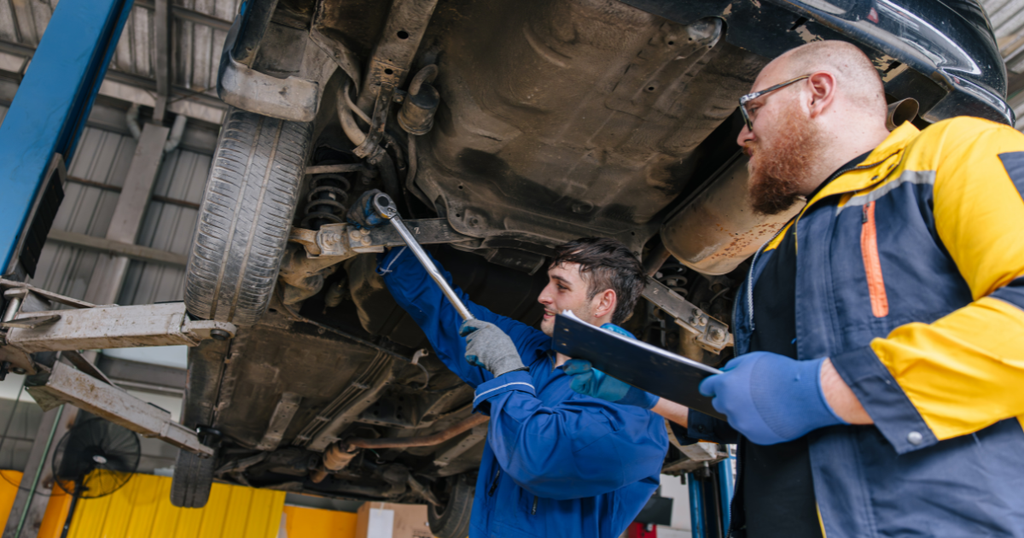
Professional help is recommended when steering problems are difficult to diagnose or when there is significant movement in the steering system. Excessive steering play, persistent knocking, or unusual steering behaviour should be inspected promptly because the tie rod may not be the only component affected. A technician should also assess the vehicle if there is a damaged steering rack, leaking rack seal, or difficulty accessing or removing the inner rack end, as these issues require proper equipment and experience. If you do not have the correct tools or the vehicle manufacturer’s torque specifications, it is safer to have the work completed by a qualified professional rather than risk an incorrect installation. A proper inspection can identify the actual cause of the problem and help ensure the steering system is repaired correctly before the vehicle returns to the road.
Tie Rod Maintenance in Singapore
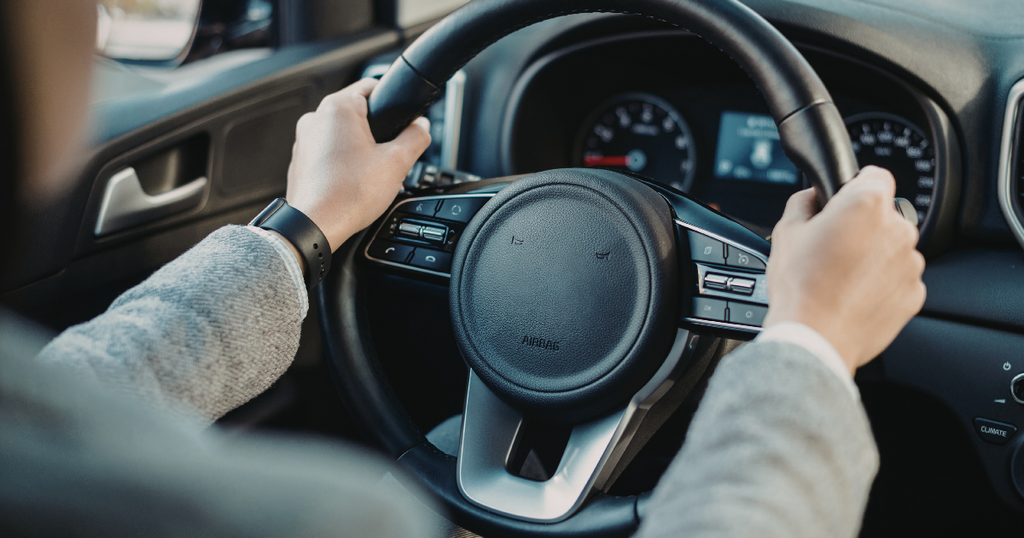
Regular steering and suspension inspections can help identify tie rod and rack-end wear before it develops into a more noticeable steering problem. In Singapore, drivers should pay particular attention after hitting potholes, kerbs, or other road impacts, as these can affect steering components and wheel alignment. The rubber dust boots should also be checked for cracks or damage because they help protect the joints from dirt and moisture. Unusual steering noises, looseness, or changes in steering response should not be ignored, even if the vehicle still feels driveable. With Singapore’s warm weather, frequent stop-and-go traffic, and regular daily driving, routine inspections are a practical way to monitor steering condition and address wear early. Including these checks as part of regular Car Servicing Singapore can help keep the steering system in good working condition.
FAQs
How long does tie rod replacement take?
The time depends on the vehicle and whether the inner or outer tie rod needs replacement. Additional time may be required for inspection and wheel alignment.
Can I drive without wheel alignment after replacing a tie rod?
A proper wheel alignment is recommended after replacement because the steering geometry may have changed, even if the original position was measured.
Should I replace the inner and outer tie rods together?
Not always. Each component should be inspected separately, and replacement should be based on its actual condition and the technician’s diagnosis.
What causes tie rods to wear out?
Common causes include normal wear, road impacts such as potholes or kerbs, and damaged protective boots that allow dirt and moisture to reach the joint.
Can a bad tie rod cause uneven tyre wear?
Yes. A worn tie rod can affect steering and wheel alignment, which may contribute to uneven or accelerated tyre wear.
Conclusion
Tie rods and rack ends play an important role in maintaining accurate and stable steering, so signs of wear should not be ignored. Proper tie rod replacement starts with identifying the actual source of the problem, followed by correct installation using the appropriate manufacturer specifications. Because replacement can affect steering geometry, a professional wheel alignment should always be completed afterwards to help maintain proper handling and prevent unnecessary tyre wear. If steering play, unusual noises, or other concerns remain, having the vehicle inspected by a qualified technician is the safest way to ensure the steering system is working correctly. For professional assistance, Contact Us to discuss your vehicle’s steering and servicing needs.