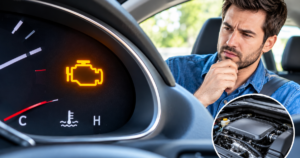
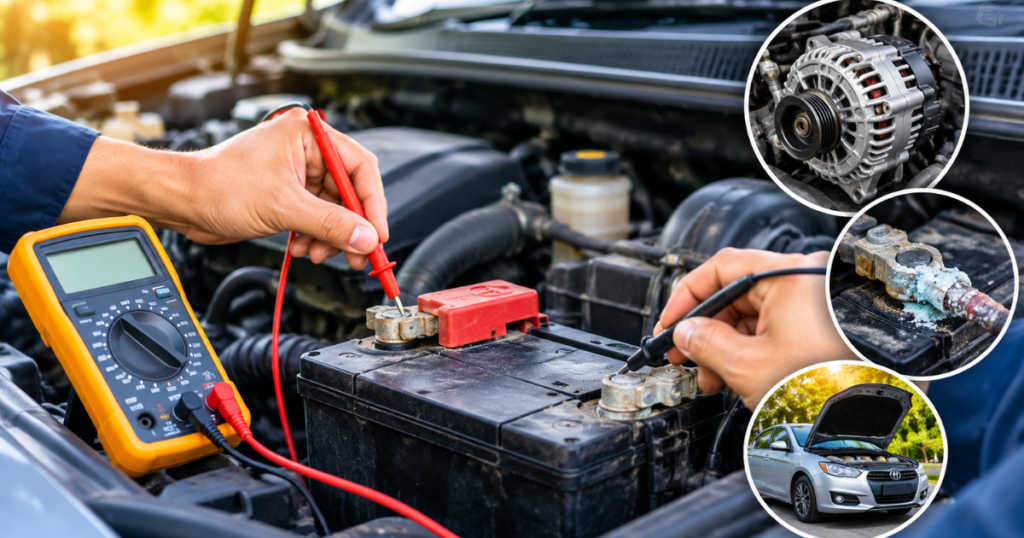
A car battery that keeps dying is often a sign that something is preventing it from holding or receiving the charge it needs to start the engine and power the vehicle’s electrical systems. While an ageing or damaged battery can be responsible, the problem may also come from a faulty alternator that is not recharging the battery properly, electrical components that continue drawing power when the engine is switched off, or loose and corroded battery connections that interrupt the flow of electricity. In some cases, frequent short journeys may not give the alternator enough time to restore the charge used during starting, gradually leaving the battery too weak to start the car. Replacing the battery without identifying the actual cause may only provide a temporary solution, as the same problem can return even with a new battery. Therefore, understanding why your battery keeps losing its charge is the first step towards finding the right solution, preventing unexpected starting problems and keeping your vehicle’s electrical and charging systems working reliably.
Table of Contents
Common Signs of a Weak or Failing Car Battery
A weak or failing car battery often shows warning signs before it becomes completely unable to start the vehicle. Recognising these symptoms early can help drivers identify a possible battery problem before getting stranded. One of the most common signs is slow engine cranking, where the engine turns over more slowly than usual because the battery may not be supplying enough power to the starter motor. Drivers may also hear a clicking sound when starting the car, which can indicate insufficient battery power to engage the starter properly. Another noticeable symptom is dim headlights and dashboard lights, particularly when starting the engine, as a weak battery may struggle to supply consistent electrical power. Additionally, electrical components such as power windows, interior lights, infotainment systems and other accessories may operate slowly or stop working properly. Although these symptoms can indicate a failing battery, they may also be associated with charging-system or electrical faults, so proper inspection and testing are important to identify the actual cause rather than assuming the battery needs replacement.
Common Causes of Repeated Car Battery Failure
A car battery can repeatedly lose its charge due to several electrical and mechanical issues, and identifying the exact cause is important to prevent the problem from happening again. One common reason is leaving lights or electrical accessories switched on, such as headlights, interior lights or other equipment, which continue drawing power when the engine is turned off and can leave the battery too weak to start the vehicle. Another possible cause is a faulty alternator or charging system. Since the alternator recharges the battery while the engine is running, problems with its operation, drive belt or electrical connections can prevent the battery from receiving sufficient charge. Parasitic battery drain is another issue that occurs when an electrical component, such as a faulty relay, damaged wiring or malfunctioning control module, continues consuming power after the vehicle is switched off. Even a relatively small but continuous electrical drain can discharge the battery when the car remains parked for several hours or overnight. Drivers may also experience repeated battery problems due to loose or corroded battery connections, as poor contact between the terminals and cables can interrupt the flow of electricity and affect the starting and charging systems. In addition, frequent short trips may not give the alternator enough time to replace the power used during engine starting, gradually reducing the battery’s charge, particularly when the vehicle is used repeatedly for short journeys. Finally, an old or damaged battery may no longer have sufficient capacity to store and deliver the electricity required to start the engine, especially if its internal components have deteriorated or it has experienced repeated deep discharges. Understanding these causes can help drivers distinguish between a battery problem and an underlying electrical fault, rather than replacing the battery without addressing the actual issue.
How to Find Out Why Your Car Battery Keeps Dying
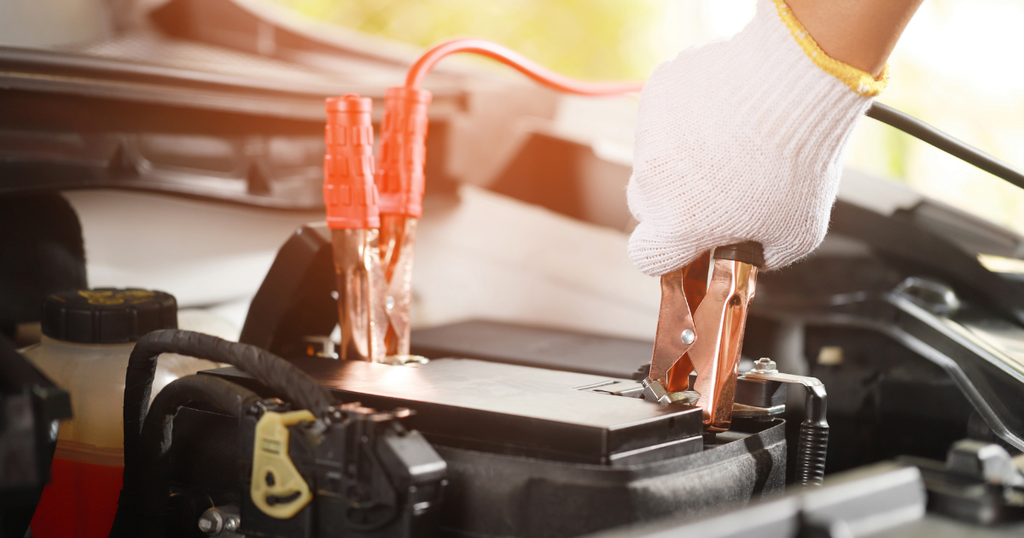
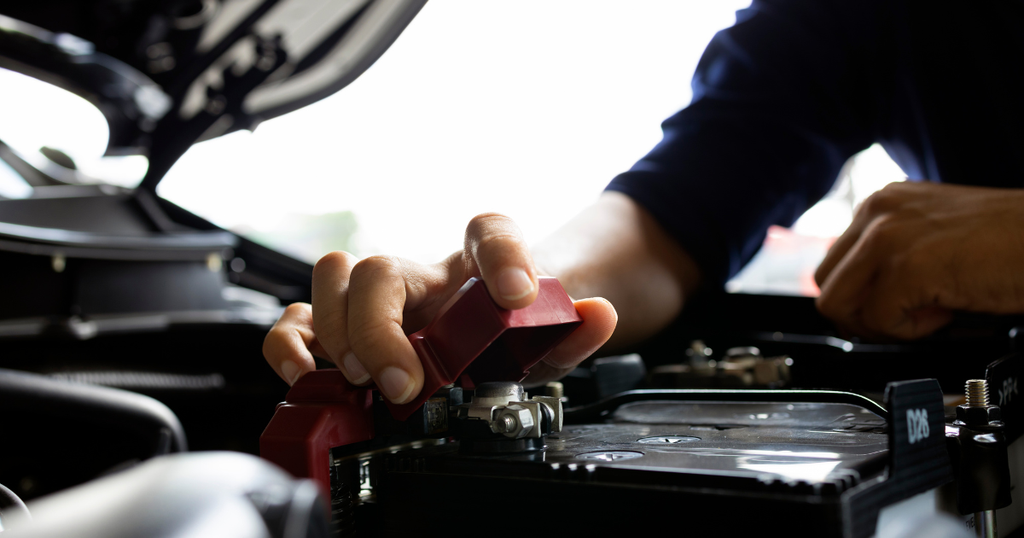
If your car battery keeps losing its charge, identifying the actual cause requires checking more than just the battery itself. Start by checking the battery terminals and connections for corrosion, loose cables or damaged wiring, as poor electrical contact can interrupt the flow of power and affect starting performance. Next, test the battery voltage and condition using a multimeter or professional battery tester to determine whether it has sufficient charge and can deliver the power needed to start the engine; a fully charged conventional 12V lead-acid battery typically reads around 12.6 volts when rested, although a voltage reading alone cannot confirm its overall health. You should also check the alternator’s charging performance, because a faulty alternator, damaged drive belt or poor charging connection may prevent the battery from receiving sufficient power while the engine is running. If the battery loses its charge while the vehicle is parked, perform a parasitic drain test to identify whether a faulty relay, electrical module, damaged wiring or aftermarket accessory is continuing to consume power after the ignition is switched off. Finally, inspect the complete charging system, including the alternator, voltage regulator, wiring, grounding connections and battery sensors, to identify faults that may not be detected through a basic battery test. Modern hybrid vehicles may require additional diagnostic procedures because their high-voltage hybrid batteries operate differently from conventional 12V starting batteries; in such cases, Motoserv’s Hybrid Car Battery Service may be relevant for hybrid battery-related concerns, although the actual service-page URL should be verified before publishing. By checking these components systematically, drivers can identify whether the problem comes from a weak battery, charging-system fault or unwanted electrical drain and avoid replacing parts unnecessarily.
How to Prevent Your Car Battery from Dying Repeatedly
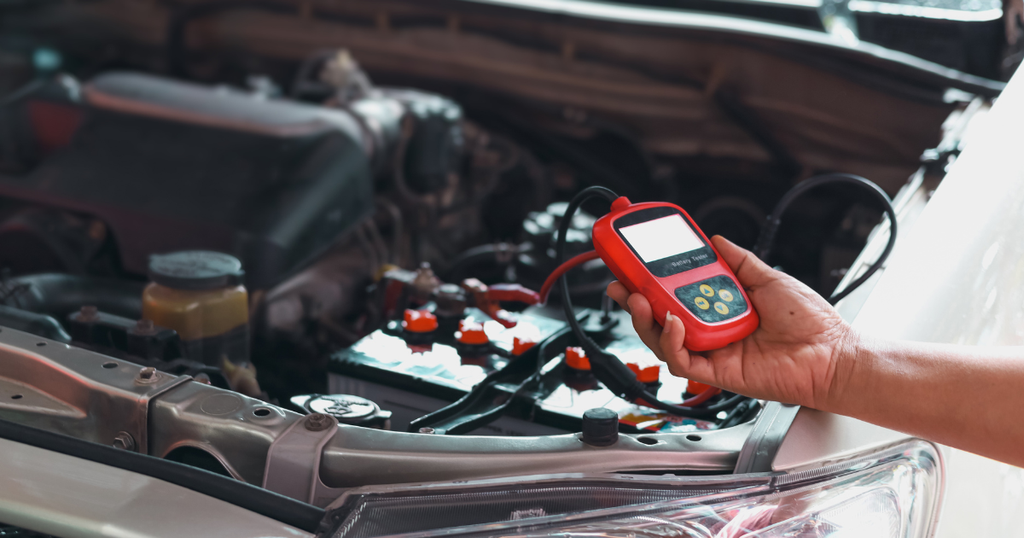
Preventing repeated car battery problems starts with a few simple maintenance habits that help maintain battery performance and reduce unnecessary power consumption. Keep battery terminals clean by checking them regularly for corrosion, dirt and loose connections, as these can interfere with the flow of electricity and affect the vehicle’s starting and charging performance. Avoid leaving electrical accessories running after switching off the engine, including headlights, interior lights, chargers and other electrical equipment, because they can continue drawing power and gradually discharge the battery while the vehicle is parked. Drive your vehicle regularly to give the alternator enough opportunity to replenish the electricity used during engine starting; however, avoid relying only on very short journeys, as they may not provide sufficient charging time to maintain the battery’s charge. Finally, check the battery and charging system condition periodically through routine inspections and battery testing to identify early signs of deterioration, damaged connections or alternator problems. Paying attention to warning lights, slow engine cranking and changes in electrical performance can also help you recognise potential issues before the battery completely fails. These preventive measures can reduce unnecessary battery discharge, support reliable engine starting and help extend the battery’s useful service life.
When Should You Replace Your Car Battery?
Knowing when to replace your car battery is important for avoiding unexpected breakdowns and maintaining reliable vehicle performance. Although a flat battery can sometimes be recharged, repeated charging problems, reduced battery capacity or physical damage may indicate that it is no longer reliable. Battery Repeatedly Fails Despite Charging: If your battery repeatedly goes flat even after being fully recharged, it may have deteriorated internally and lost its ability to maintain sufficient power. If the battery continues failing after checking the alternator, electrical connections and possible power drains, replacement may be necessary to prevent recurring starting problems. Battery Cannot Hold Its Charge: A battery that loses its charge shortly after being fully recharged may have weakened internal components or reduced storage capacity. This can make it difficult to start the engine, particularly after the vehicle has been parked for several hours or overnight. A professional battery test can determine whether it can still retain sufficient charge or has reached the end of its useful life. Battery Fails a Health Test: Sometimes a battery may show an acceptable voltage reading but still fail to deliver enough power to start the engine. A professional load or conductance test checks its starting capacity and overall condition. If the results fall below the manufacturer’s recommended specifications, replacing the battery may be the most reliable option. Visible Damage or Leakage: Physical signs such as a swollen battery case, cracks, leaking electrolyte, damaged terminals or overheating indicate that the battery may be unsafe or unsuitable for continued use. Such damage can result from internal deterioration, excessive heat or charging-system problems. A damaged or leaking battery should not be recharged or handled casually; arrange a professional inspection and safe replacement to prevent chemical exposure or electrical hazards.
Frequently Asked Questions
Why Does My Car Battery Keep Dying Overnight?
A battery that dies overnight may have excessive parasitic drain, a weak battery or an electrical component that remains switched on after the vehicle is parked.
Can a Bad Alternator Drain the Battery?
Yes. A faulty alternator may fail to recharge the battery properly while driving, causing it to gradually lose power and eventually become unable to start the engine.
How Do I Know If My Battery or Alternator Is Faulty?
Slow engine cranking and repeated starting problems may indicate a weak battery, while a battery warning light or charging problems may suggest an alternator fault. Proper testing is needed to confirm the cause.
How Long Should a Car Battery Last?
Most conventional car batteries last around three to five years, depending on driving habits, climate, maintenance and charging-system condition.
Can a Repeatedly Discharged Car Battery Be Recharged?
Yes, if the battery is still in good condition. However, repeated deep discharges can damage its capacity, so the underlying cause should be identified before relying on recharging.
Get Your Car Battery Checked by a Professional
If your car battery keeps dying, replacing it without identifying the underlying cause may only provide a temporary solution. The problem could involve a weak battery, faulty alternator, excessive parasitic drain or damaged electrical connections, all of which require different inspection and repair approaches. A professional battery and charging-system inspection can help identify the actual fault, determine whether the battery needs recharging or replacement, and prevent the same problem from returning. If you are experiencing repeated starting difficulties or unexpected battery discharge, contact Motoserv to arrange a professional vehicle inspection and get the appropriate guidance for your car.