Hybrid cars combine a conventional petrol engine with an electric motor and hybrid battery to improve fuel efficiency and reduce the amount of fuel used during everyday driving. The battery plays an important role by storing and supplying electrical energy to support the vehicle, while regenerative braking helps recover energy that would otherwise be lost during braking. In Singapore, frequent stop-and-go traffic, high temperatures and a hot, humid climate can make proper battery care and cooling especially important for long-term performance. Understanding how hybrid batteries work, how long they can last, the warning signs of battery problems, and the maintenance steps that can help protect battery health can help hybrid owners make informed decisions about servicing and battery care.
Table of Contents
What Is a Hybrid Car?
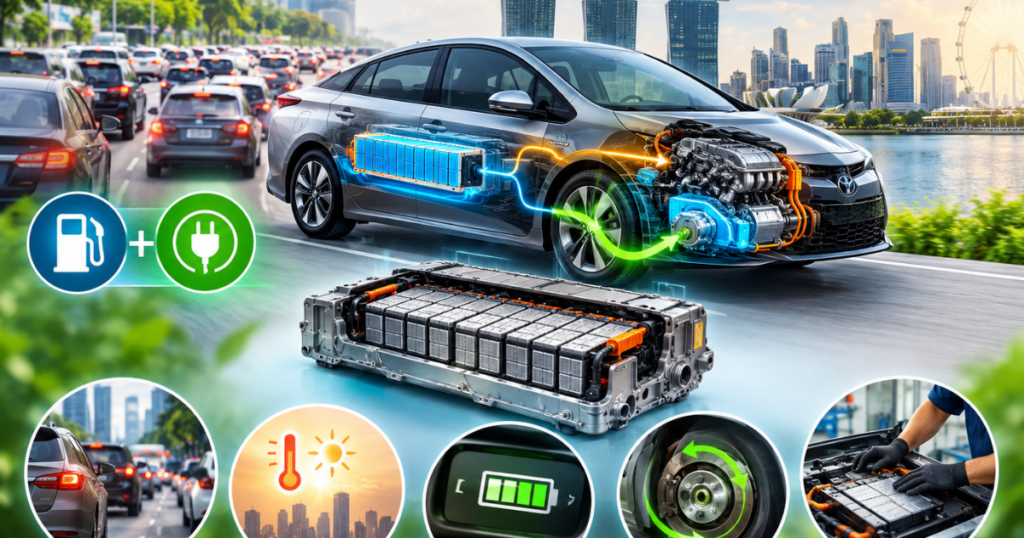
A hybrid car uses two power sources—a conventional petrol engine and an electric motor—to move the vehicle more efficiently. The hybrid battery stores electrical energy and supplies it to the electric motor when extra assistance is needed, while the petrol engine takes over or works together with the motor depending on driving conditions. One of the key features of a hybrid system is regenerative braking, which captures some of the energy normally lost when the vehicle slows down or brakes and converts it into electrical energy that can be stored in the battery for later use. This can be particularly useful in Singapore, where frequent stopping and starting is common. Unlike a fully electric vehicle (BEV), which relies entirely on electricity and must be charged from an external power source, a conventional hybrid can generate and recover much of its electrical energy through the engine and regenerative braking. Keeping these systems properly maintained is important for reliable performance, which is why regular Hybrid Car Service can help identify potential issues before they affect the vehicle’s performance.
Types of Hybrid Cars
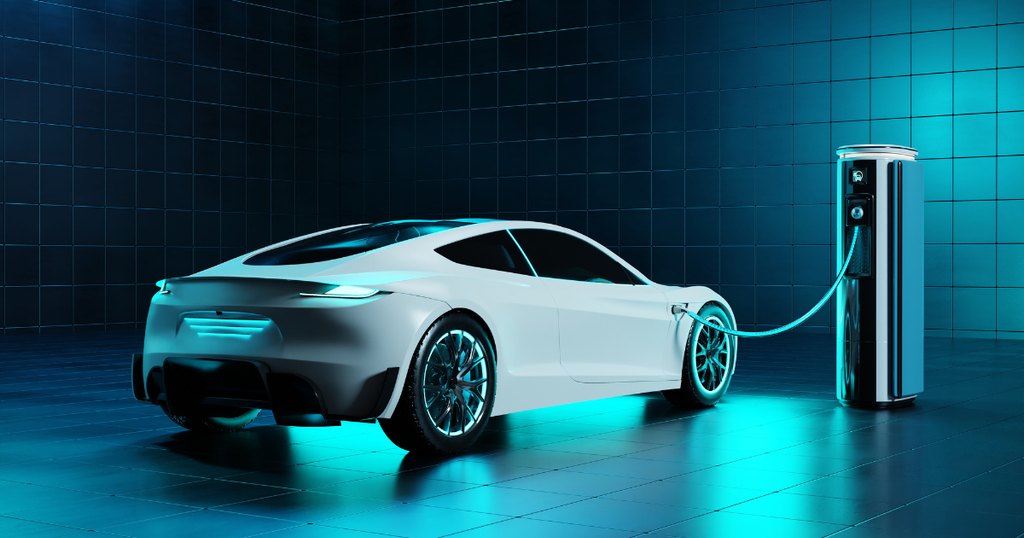
A Hybrid Electric Vehicle (HEV) combines a petrol engine with an electric motor and a hybrid battery, allowing the vehicle to use either power source or both depending on driving conditions. The battery provides electrical assistance to the motor, particularly during starting, low-speed driving and acceleration, which can reduce the workload on the petrol engine and improve fuel efficiency. When the vehicle slows down or brakes, regenerative braking recovers some of the energy and sends it back to the battery for later use. Unlike a plug-in hybrid, an HEV does not normally need to be connected to an external charger because its battery is charged through regenerative braking and the vehicle’s own power system. This makes HEVs practical for everyday driving, especially in busy city conditions where frequent braking and stopping provide more opportunities to recover energy.
PHEV (Plug-in Hybrid Electric Vehicle)
A Plug-in Hybrid Electric Vehicle (PHEV) also combines a petrol engine with an electric motor, but it uses a larger hybrid battery than a conventional HEV. The larger battery allows a PHEV to travel a greater distance using electric power alone before the petrol engine is needed. Unlike an HEV, a PHEV can be connected to an external power source, such as a home charger or a public charging station, to recharge its battery. It can also recover energy through regenerative braking while driving. Regular charging can allow drivers to make greater use of electric power for shorter daily journeys, while the petrol engine provides additional range when the battery charge is low or longer trips are required.
HEV vs PHEV
The main difference between an HEV and a PHEV is how their batteries are charged and how much electric driving they can provide. An HEV has a smaller battery and normally charges through regenerative braking and the vehicle’s own power system, so it does not require an external charger. A PHEV has a larger battery that can be charged from a home or public charging point, allowing it to cover more distance using electric power alone. Both types can use a petrol engine and electric motor together, but a PHEV gives the driver more opportunity to rely on electric driving when the battery is sufficiently charged.
Hybrid Car Battery Types and How They Work
A hybrid car battery stores electrical energy and supplies it to the electric motor when the vehicle needs electric assistance. One of the main ways this battery is recharged is through regenerative braking, which captures some of the energy produced when the vehicle slows down and converts it into electrical energy for later use. Hybrid vehicles have mainly used two types of batteries: Nickel-Metal Hydride (NiMH) and Lithium-ion (Li-ion). NiMH batteries have been widely used in earlier hybrid vehicles because of their proven durability and established technology, while lithium-ion batteries are increasingly common in newer hybrids and plug-in hybrids because they offer higher energy density, allowing more energy to be stored in a smaller and lighter battery pack. The battery type can vary by vehicle, so its performance, maintenance requirements and expected lifespan depend on the specific hybrid system and manufacturer.
How Long Does a Hybrid Battery Last?
A hybrid car battery can often last for many years, but its actual lifespan depends on the vehicle, battery type, driving conditions and how well the hybrid system is maintained. Factors such as age, mileage, frequent stop-and-go driving, prolonged exposure to high temperatures and problems with the battery cooling system can gradually affect battery performance. Singapore’s hot and humid climate makes proper cooling particularly important, as repeated exposure to high temperatures can place additional stress on the battery over time. Regular servicing, keeping the battery cooling vents clear and addressing unusual changes in performance early can help maintain battery health. Rather than relying only on a fixed number of years, hybrid owners should consider the vehicle’s age, mileage, battery behaviour and maintenance history when assessing battery condition.
Signs of a Weak or Failing Hybrid Battery
A weakening hybrid battery does not always fail suddenly. In many cases, the vehicle may show changes in performance or battery behaviour that are worth checking. A “Check Hybrid System” or similar warning can be an important indication, while rapid changes between battery charging and discharging may suggest that the battery is no longer holding or delivering energy as effectively as it should. Drivers may also notice reduced fuel economy, the petrol engine running more frequently than usual, weaker acceleration or less electric assistance during driving. A battery cooling fan that runs loudly or more often than normal can also be a sign that the battery is working under increased thermal load. These symptoms can have different causes, so one sign alone does not necessarily mean the battery needs replacement; however, when several changes appear together, a professional hybrid battery inspection can help identify whether the battery or another part of the hybrid system is responsible.
How to Maintain a Hybrid Car Battery in Singapore
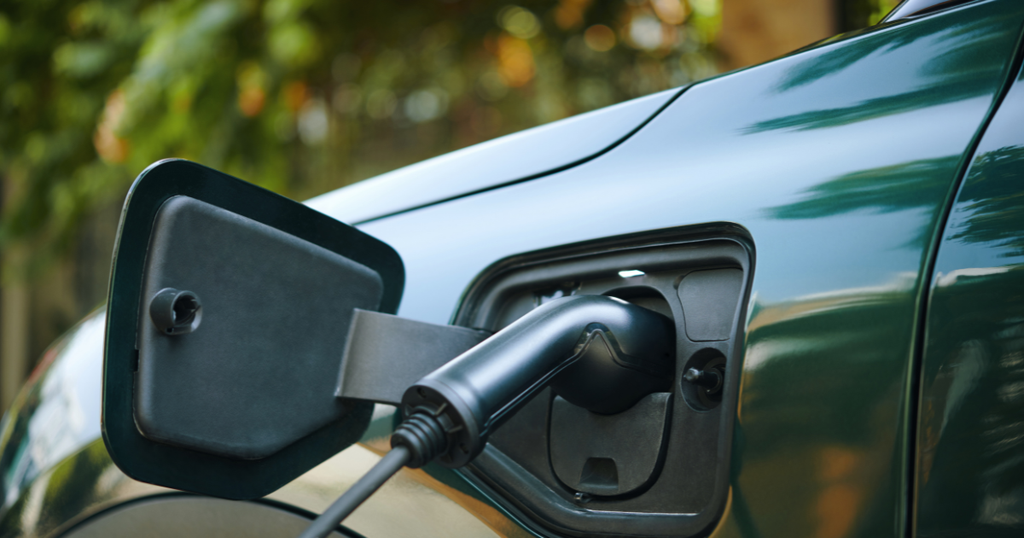
Proper battery care can help a hybrid car maintain reliable performance, especially in Singapore’s hot and humid conditions. Keep the battery cooling vents clean and unobstructed so air can circulate properly, and where possible, park in a sheltered or shaded location instead of leaving the vehicle exposed to direct heat for long periods. Follow the manufacturer’s recommended maintenance schedule and have the hybrid battery and its cooling system checked during routine servicing. If you notice changes such as reduced fuel economy, unusual battery charge behaviour or weaker electric assistance, arranging a professional Hybrid Car Battery Service can help identify potential issues early. For PHEV owners, follow the manufacturer’s recommended charging method and use suitable charging equipment rather than treating charging practices the same as a conventional HEV. Regular inspection and proper battery care can help maintain performance and address potential problems before they become more serious.
When Should You Get Your Hybrid Battery Checked?
A hybrid battery should be checked when you notice warning lights, unusual battery charging or discharging behaviour, reduced performance or a noticeable drop in fuel economy. If the petrol engine starts running more frequently than usual, the vehicle provides less electric assistance, or the battery cooling fan becomes unusually loud, these changes are also worth having inspected. A professional hybrid battery health check can use diagnostic equipment to assess battery performance and identify whether the issue is related to the battery or another part of the hybrid system. This is particularly useful when buying a used hybrid, as a battery assessment can provide a clearer picture of its condition. Importantly, reduced fuel economy or weaker electric assistance does not automatically mean the entire battery pack needs to be replaced; proper diagnostics should be carried out first to determine the actual cause.
Hybrid Battery Replacement: Cost and Warranty
Hybrid battery replacement may become necessary when the battery has significant deterioration, cannot maintain adequate performance, or professional diagnostics confirm that repair or other service options are no longer suitable. The replacement cost in Singapore can vary depending on the vehicle make and model, battery type, battery capacity, and whether the replacement is a new OEM unit, refurbished battery or another compatible option. A refurbished battery may have a different cost from a new manufacturer-supplied battery, but its condition and warranty should be checked before making a decision. Hybrid battery warranties also vary between manufacturers and models and may be based on both vehicle age and mileage, with some covering the battery for several years or a specified distance. Owners should check their vehicle’s warranty terms to understand what is covered and whether any conditions apply before paying for a replacement.
Are Hybrid Batteries Environmentally Friendly?
Hybrid batteries can contribute to lower environmental impact during vehicle use because hybrid systems can reduce fuel consumption and, in turn, lower emissions compared with relying only on a conventional petrol engine. However, the environmental impact of a hybrid battery also includes the energy and raw materials required to manufacture it. Battery production involves materials that need to be responsibly sourced and processed, so the benefits of reduced fuel use should be considered alongside these manufacturing impacts. When a hybrid battery reaches the end of its useful life, it should not simply be discarded as ordinary waste. Proper recycling and disposal allow valuable materials to be recovered and help reduce the environmental impact of used batteries. For this reason, responsible battery management throughout its life—from manufacturing and use to recycling—plays an important role in making hybrid vehicles a more sustainable transport option.
Professional Hybrid Car Battery Service in Singapore
Professional hybrid car battery service can help identify battery and hybrid-system issues before they develop into more serious problems. A proper inspection may include electronic diagnostics, battery health assessment, checking the battery cooling system and reviewing the overall hybrid system for unusual performance or fault codes. Professional servicing is particularly recommended when a warning light appears, fuel economy or electric assistance changes noticeably, the battery cooling fan becomes unusually loud, or the vehicle shows other signs of abnormal hybrid-system behaviour. For used hybrid vehicles, a battery health assessment can also provide useful information about the condition of the battery before purchase. Having the system checked by technicians with the appropriate diagnostic equipment can help determine whether the problem is related to the battery, cooling system or another component, rather than assuming that the entire battery pack needs replacement.
Frequently Asked Questions
How long does a hybrid car battery last?
A hybrid car battery can last for many years, but its lifespan varies depending on the vehicle, mileage, driving conditions, temperature and maintenance. Regular servicing and proper battery cooling can help maintain battery performance over time.
How much does a hybrid battery replacement cost in Singapore?
The cost varies depending on the vehicle make and model, battery type, battery size and whether you choose a new OEM or refurbished battery. A professional assessment is recommended before deciding on replacement.
What are the signs of a failing hybrid battery?
Common signs include a hybrid-system warning, reduced fuel economy, weaker electric assistance, more frequent petrol-engine operation and unusual battery charge behaviour. A loud battery cooling fan can also indicate that the system needs inspection.
Can I drive with a weak hybrid battery?
A vehicle may continue to operate with a weakened hybrid battery, but performance and fuel economy can be affected. If warning lights or noticeable changes in driving behaviour appear, the hybrid system should be checked by a qualified technician.
Can a hybrid battery be repaired?
In some cases, a battery may be serviceable depending on the cause of the problem and the vehicle’s battery design. Professional diagnostics should be performed first to determine whether repair, individual component service or complete battery replacement is appropriate.
Does Singapore’s hot climate affect hybrid batteries?
Singapore’s hot and humid climate can place additional thermal stress on hybrid batteries, making proper cooling and ventilation important. Parking in shaded or sheltered areas and keeping battery cooling vents clear can help reduce unnecessary heat exposure.
Does a hybrid battery have a warranty?
Yes, many manufacturers provide a specific warranty for hybrid batteries, but the coverage period and mileage limit vary by make, model and market. Owners should check the manufacturer’s warranty terms for their particular vehicle.
Are hybrid batteries recyclable?
Yes, hybrid batteries can be recycled through appropriate battery recycling and recovery processes. Proper handling at the end of the battery’s useful life helps recover valuable materials and prevents the battery from being disposed of as ordinary waste.
Final Takeaway
A healthy hybrid battery is an important part of maintaining reliable performance and efficient driving, particularly in Singapore’s hot and humid climate. Keeping the battery cooling system clear, following the recommended maintenance schedule and paying attention to changes in fuel economy, electric assistance or battery behaviour can help identify potential issues early. If you notice warning lights, unusual performance or other battery-related concerns, professional diagnostics can help determine the actual cause before considering a full battery replacement. If you would like to have your hybrid battery or hybrid system inspected, you can Contact Us to discuss the appropriate service for your vehicle.