
Continental cars require proper maintenance to deliver reliable performance, safety, and driving comfort. In Singapore’s hot and humid climate, regular servicing and timely inspections can help car owners identify potential problems before they develop into more serious repairs. Whether you drive a Mercedes-Benz, BMW, Audi, or another Continental vehicle, understanding its maintenance needs is essential. In this guide, we’ll explain the key servicing and maintenance checks to consider, common warning signs to watch for, and how to choose the right Continental car workshop in Singapore so you can make informed decisions and keep your vehicle in good condition.
Table of Contents
Understanding Continental Car Servicing
Continental car servicing involves inspecting and maintaining a vehicle’s essential systems to support reliable performance, safety, and long-term usability. Depending on the vehicle’s make, model, age, mileage, and service history, routine maintenance may include engine oil and filter changes, fluid checks, brake inspections, tyre assessments, and diagnostic checks where necessary. Maintenance requirements can differ between vehicles, so owners should follow the manufacturer’s recommended service schedule rather than relying on a general servicing interval. Keeping accurate service records also helps track completed work and identify upcoming maintenance needs, making it easier to care for your vehicle and plan future servicing.

Warning Signs Your Continental Car Needs Attention
Recognizing changes in your vehicle’s behaviour can help you identify potential problems before they become more serious. Dashboard warning lights may indicate an issue with the engine, battery, braking system, or another component, while unusual engine noises, vibrations, or difficulty starting may require further inspection. Fluid leaks beneath the vehicle can indicate a problem with an oil, coolant, or other fluid system, and reduced acceleration or unexpected changes in fuel consumption may suggest that a component is not operating as intended. If you notice changes in braking response, such as unusual noises, vibrations, or reduced stopping performance, arrange a professional inspection promptly. Warning signs do not always identify the exact cause, so a proper diagnosis is important before deciding which repairs are necessary.
Essential Maintenance Checks for Continental Cars
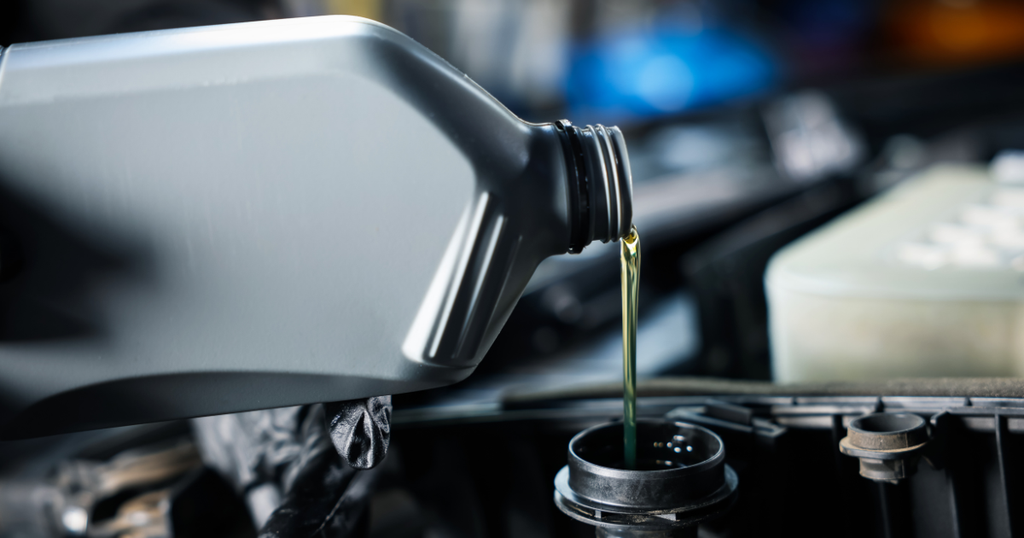
Regular maintenance checks help keep important vehicle components in suitable working condition. Engine oil lubricates moving parts and helps manage heat, while coolant helps regulate engine temperature. For proper engine lubrication, using the right oil is essential, and drivers can explore Motoserv’s Pennzoil Fully Synthetic Engine Oil Singapore page for more information. Brake inspections can identify worn components, and checking tyre pressure, tread depth, and overall condition supports safe handling and braking. Battery checks can help identify reduced capacity or charging problems, particularly when the vehicle becomes difficult to start. Depending on the model and service schedule, other checks may include filters, belts, hoses, suspension components, and diagnostic systems. Using the correct fluids, replacement parts, and specifications for your particular vehicle is important because requirements vary between models.
When Does Your Car Need Repairs Instead of Routine Servicing?
Routine servicing focuses on scheduled maintenance and preventive checks, whereas repairs address a specific fault, damaged component, or abnormal vehicle behaviour. For example, replacing engine oil according to the service schedule is routine maintenance, while investigating an engine warning light or repairing a coolant leak requires further diagnosis and potentially corrective work. Some problems may initially produce minor symptoms but become more expensive if left unresolved. However, replacing parts based on symptoms alone can lead to unnecessary costs if the underlying cause has not been identified. A qualified technician should inspect the vehicle, explain the diagnosis, and outline the recommended work before repairs begin. If a warning indicates a potentially serious fault, or the brakes or steering are affected, stop driving when it is unsafe to continue and arrange appropriate professional assistance.
How to Choose the Right Continental Car Workshop in Singapore
Choosing a suitable Continental car workshop involves more than comparing prices. Look for technicians with relevant experience working on your vehicle’s make and model, along with diagnostic equipment appropriate for its systems. A reliable workshop should explain its findings clearly, provide an itemized quotation, and discuss the recommended repairs, replacement parts, warranty terms, and any work that can reasonably be postponed. When comparing options, reviewing Motoserv’s Continental Car Service page can help you learn more about its relevant services. It is also helpful to ask whether the workshop follows the manufacturer’s maintenance requirements and keeps records of completed servicing. Clear communication allows you to understand why work is needed and make an informed decision before approving expenses.

Understanding Repair Costs and Prioritizing Maintenance
The cost of repairing a Continental car in Singapore can depend on its make and model, the nature of the fault, the parts required, labour, and the complexity of the work. Before approving a repair, ask for an itemized quotation that explains the diagnosis, recommended work, parts, labour charges, and any applicable warranty. If something is unclear, request an explanation of why the repair is necessary and whether additional costs may arise during the process. Safety-critical issues involving brakes, steering, tyres, or other essential systems should take priority over less urgent maintenance. Understanding which repairs need immediate attention and which can be scheduled later helps you manage your budget without overlooking your vehicle’s safety and reliability.
Practical Tips for Maintaining Your Continental Car in Singapore
Maintaining your Continental car becomes easier when you develop consistent ownership habits. Keep a record of servicing, repairs, and replaced parts so you can track maintenance history and identify upcoming requirements. Follow the service schedule recommended for your specific vehicle, and pay attention to changes in starting, handling, engine performance, or dashboard alerts rather than ignoring them. Singapore’s hot and humid conditions also make it sensible to monitor your vehicle’s cooling system and air-conditioning performance as part of appropriate routine care. If your car develops an unusual symptom, arrange an inspection before assuming the cause or attempting an unnecessary repair. These simple habits can help you make better maintenance decisions and maintain a clearer picture of your vehicle’s condition over ti Questions About Continental Car Servicing
Questions
How often should a Continental car be serviced in Singapore?
Follow the manufacturer’s recommended service schedule for your vehicle’s model, age, mileage, and driving conditions.
Should I choose a specialist workshop or an authorized dealer?
Compare relevant vehicle experience, diagnostic capabilities, service requirements, warranty considerations, and quotation transparency before deciding.
How do I know whether my car needs servicing or repairs?
Scheduled maintenance follows your service plan, while unusual symptoms or identified faults may require diagnosis and corrective repairs.
Why is the correct engine oil important?
The correct oil specification helps provide suitable lubrication and engine protection according to your vehicle manufacturer’s requirements.
What should I check before approving a repair quotation?
Review the diagnosis, itemized parts and labour, recommended work, warranty terms, and any possible additional charges.
Final Thoughts
Proper Continental car servicing involves more than following a maintenance schedule; it also means recognizing warning signs, understanding repair recommendations, and choosing a workshop that communicates clearly. By keeping service records, addressing potential problems promptly, and prioritizing safety-related repairs, you can make more informed decisions about your vehicle’s care. If you need professional assistance or would like to learn more about Motoserv’s Continental car servicing, visit the Contact Us page to discuss your vehicle’s requirements and the appropriate next steps.