
Mercedes-Benz, BMW, and Audi vehicles are engineered for performance, comfort, and driving refinement, but maintaining these qualities requires servicing that suits each vehicle’s model, age, mileage, and condition. In Singapore, frequent stop-start traffic, short journeys, and hot, humid weather make it important for owners to pay attention to routine maintenance and recognise early signs of potential problems. From engine oil and cooling system checks to brakes, tyres, and electronic diagnostics, timely inspections can help identify developing issues before they lead to more extensive repairs. Choosing a workshop with relevant experience, suitable diagnostic equipment, and clear repair recommendations can also help you make informed decisions about your car’s maintenance. In this guide, we’ll explore essential servicing tips for Mercedes-Benz, BMW, and Audi owners, common warning signs to watch for, and what to consider when selecting a suitable European car workshop in Singapore.
Understanding the Servicing Needs of Mercedes-Benz, BMW and Audi
Mercedes-Benz, BMW, and Audi vehicles have different servicing needs depending on the model, engine type, mileage, and age of the vehicle. Following the manufacturer’s recommended service schedule helps maintain engine performance, fuel efficiency, and long-term reliability while reducing the risk of unexpected repairs. Using the correct engine oil, transmission fluid, and other manufacturer-approved fluids is equally important, as the wrong products can affect performance and cause unnecessary wear. Regular inspections and timely maintenance help identify potential issues early, keeping your vehicle safe, efficient, and in good condition for longer.

Essential Maintenance Checks for European Cars in Singapore
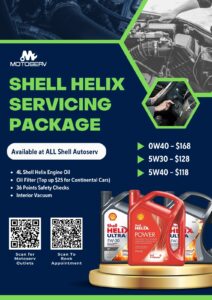
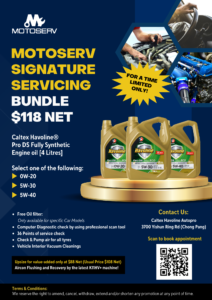
Regular maintenance helps keep Mercedes-Benz, BMW, and Audi vehicles performing reliably in Singapore’s driving conditions. Engine oil and filter changes help lubricate engine components and remove contaminants, while coolant and cooling system checks help prevent overheating. Brake pads, discs, and brake fluid should be inspected to maintain effective braking, and tyres, suspension, and steering components need regular checks for safe handling and even tyre wear. Battery and electrical system inspections can also help identify weak batteries, charging problems, and electrical faults before they cause unexpected breakdowns. Choosing the correct engine oil for your vehicle’s specifications is essential for proper protection and performance. For suitable options, explore Pennzoil Fully Synthetic Engine Oil Singapore once the dedicated product or service page URL has been verified.
Common Warning Signs That Your Car Needs Attention
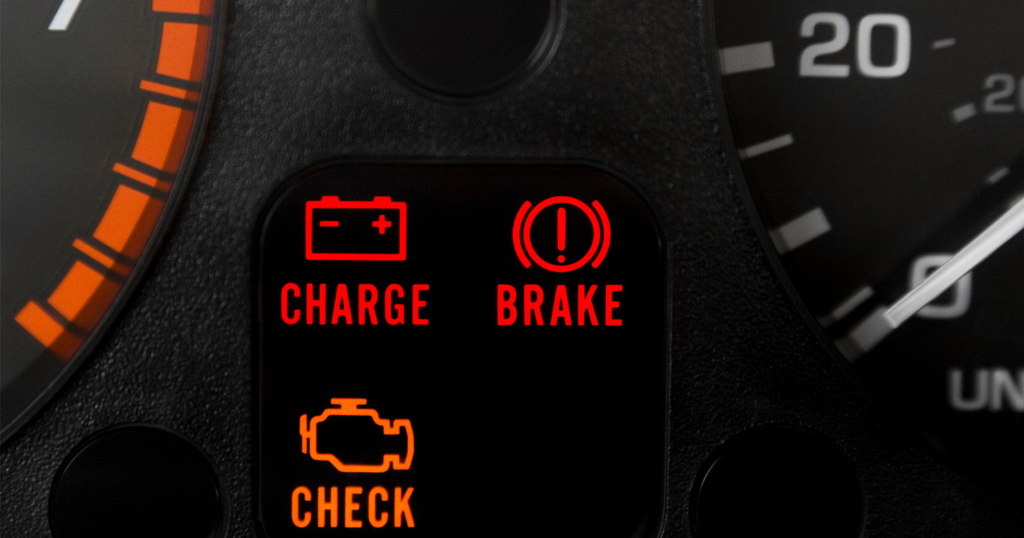
Recognising early warning signs can help prevent minor vehicle problems from becoming expensive repairs. Dashboard warning lights and diagnostic alerts should be checked promptly, as they may indicate issues with the engine, brakes, battery, or other systems. Engine overheating, coolant loss, or visible fluid leaks may signal problems that require professional inspection. Unusual noises, vibrations, or changes in steering and handling can point to worn components or mechanical faults. Similarly, difficulty starting the engine, reduced acceleration, or unexpected changes in fuel consumption may indicate battery, ignition, fuel, or engine-related issues. If a red warning light appears, the engine overheats, or braking becomes unsafe, stop in a safe place and seek professional assistance rather than continuing to drive.
How Singapore’s Driving Conditions Affect Car Maintenance
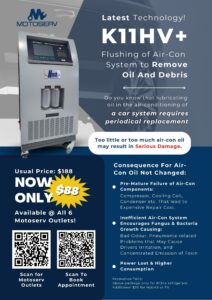
Singapore’s frequent stop-start traffic, short journeys, and hot, humid weather can place additional demands on European vehicles. Repeated acceleration and braking can increase wear on brake components, while short trips may prevent the engine from reaching its ideal operating temperature for long enough. High temperatures also place demands on the cooling system, battery, air-conditioning system, and other components. Humidity and moisture can contribute to corrosion in vulnerable areas. To keep your car in good condition, follow its recommended service schedule, monitor fluid levels and tyre pressure, check the air-conditioning system, and address warning signs early. Maintenance intervals should be based on the vehicle manufacturer’s recommendations and adjusted where necessary for actual driving conditions.
How to Choose the Right Mercedes-Benz, BMW or Audi Workshop in Singapore
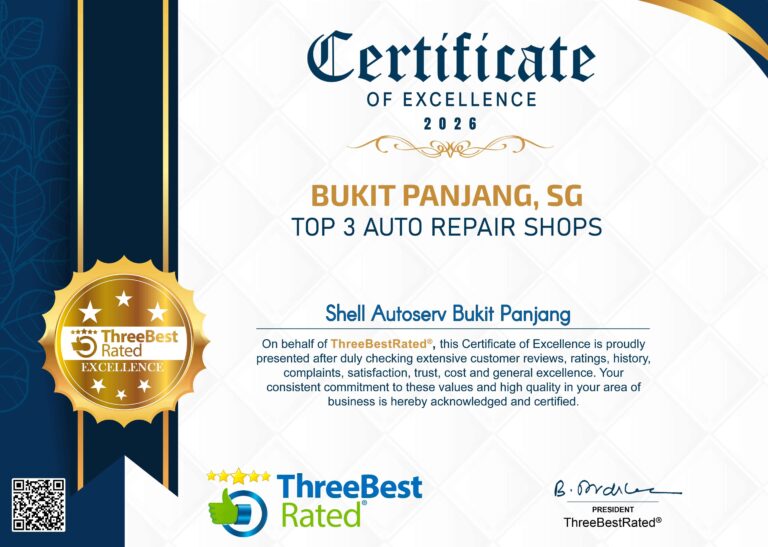
Choosing a suitable workshop is important for maintaining the performance and reliability of Mercedes-Benz, BMW, and Audi vehicles. Look for technicians with experience servicing your specific make, model, and engine, along with diagnostic equipment suited to the vehicle’s electronic systems. The workshop should use appropriate replacement parts and manufacturer-approved fluids that meet the required specifications. Before approving repairs, request a transparent, itemised quotation and a clear explanation of the fault, recommended work, and any urgent safety concerns. A reliable workshop should also explain which repairs are necessary immediately and which can be monitored or scheduled later. For specialist support, explore Continental Car Servicing in Singapore, which covers BMW, Mercedes-Benz, Audi, and other Continental vehicles, including diagnostics, maintenance, and repairs.

Understanding European Car Servicing and Repair Costs
The cost of servicing a Mercedes-Benz, BMW, or Audi depends on the model, engine type, vehicle age, mileage, parts required, and complexity of the repair. Routine oil and filter changes generally involve different costs from major repairs involving the engine, transmission, cooling system, or electronic components. When reviewing a quotation, check whether it clearly separates labour, parts, fluids, diagnostic charges, and any additional fees. Ask the workshop to explain the reason for each recommended repair and whether the work is urgent. Safety-critical issues, particularly those involving brakes, tyres, steering, or overheating, should take priority over non-essential work. Regular servicing and early diagnosis can help identify problems before they develop into more expensive repairs, making it easier to plan maintenance and manage long-term ownership costs.
When Should You Book a Professional Inspection?
Knowing when to book a professional inspection can help prevent small issues from becoming costly repairs. If your Mercedes-Benz, BMW, or Audi displays dashboard warning lights, overheats, leaks fluids, makes unusual noises, vibrates unexpectedly, or becomes difficult to start, it should be inspected promptly. Routine servicing is usually sufficient when the vehicle is due for scheduled maintenance and is operating normally without warning signs. Professional diagnostic testing is recommended when electronic warning lights remain on, performance changes suddenly, or the exact cause of a problem cannot be identified through a standard visual inspection.
Frequently Asked Questions
How often should a Mercedes-Benz, BMW, or Audi be serviced?
Follow your vehicle manufacturer’s recommended service schedule based on mileage, time, and dashboard service reminders.
Is an independent European car workshop suitable for my vehicle?
Yes, provided it has experienced technicians, appropriate diagnostic equipment, and uses suitable replacement parts and approved fluids.
How can I tell whether my car needs repairs rather than routine servicing?
Warning lights, unusual noises, overheating, leaks, or handling changes usually require inspection beyond routine servicing.
Should I follow mileage, time, or dashboard service reminders?
Use the manufacturer’s recommended schedule, as all three factors help determine when servicing is due.
What should I check before approving a repair quotation?
Review the itemised costs, ask why each repair is needed, and confirm which repairs are safety-critical or urgent.
Final Thoughts:
Keeping your Mercedes-Benz, BMW, or Audi reliable starts with following the recommended service schedule, using the correct fluids, monitoring warning signs early, and choosing a workshop with the right expertise and diagnostic equipment. Consistent maintenance helps support performance, safety, and long-term reliability while reducing the risk of unexpected repairs. If your vehicle is due for servicing, requires diagnostics, or needs professional advice, Contact Motoserv through their verified contact page to discuss the most suitable maintenance or repair solution for your vehicle.