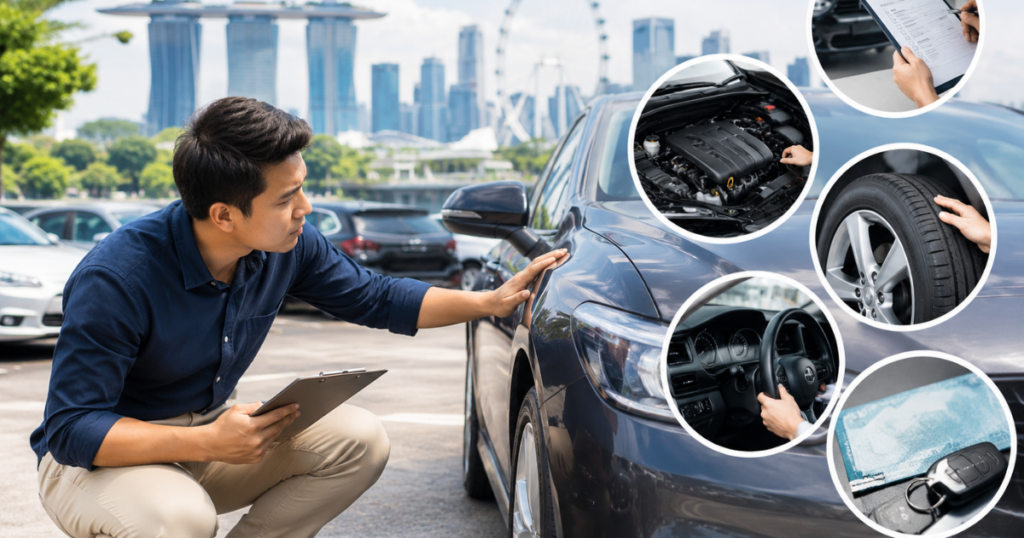
Buying a used car in Singapore can be a practical way to own a vehicle, but it is important to check its condition carefully before making a decision. A car may look clean and well-maintained on the outside while hiding mechanical problems, previous accident damage, or maintenance issues that could lead to expensive repairs later. Checking the vehicle’s history, mileage, service records, engine, tyres, and overall condition can help you understand what you are buying and whether the asking price is reasonable. You should also consider Singapore-specific factors, such as the remaining Certificate of Entitlement (COE) and the vehicle’s remaining lifespan, as these can affect the overall cost of ownership. A careful inspection helps you identify potential concerns early, ask the seller the right questions, and make a more informed decision before committing to the purchase.
Check the Car’s History and Mileage
Before buying a used car, review its mileage, service records, and available maintenance history to understand how it has been used and cared for. Compare the recorded mileage with the car’s age and service history, and ask the seller about any gaps in maintenance records or major repairs. Mileage alone does not determine a car’s condition, so consider it alongside the vehicle’s overall maintenance and condition.
Inspect the Exterior and Interior
Examine the car’s bodywork for scratches, dents, rust, uneven paint, and signs of previous repairs. Check the doors, bonnet, boot, and panel gaps for anything that looks misaligned. Inside the vehicle, inspect the seats, dashboard, seat belts, and other frequently used controls for excessive wear or damage. These checks can help you identify potential concerns that may require further investigation.
Check the Engine, Tyres, and Brakes
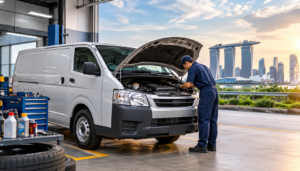
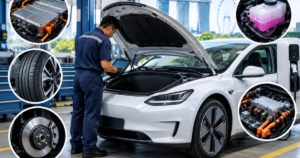
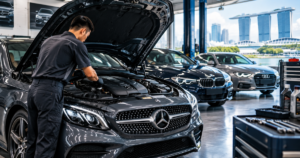
Look under the bonnet for visible fluid leaks, damaged hoses, loose connections, or unusual signs of wear. Check the tyres for uneven tread wear, cracks, and adequate tread depth, as these can provide clues about tyre condition and possible alignment issues. During a safe brake check, pay attention to unusual noises, vibrations, or changes in braking performance. If anything seems abnormal, have a qualified mechanic investigate it before you decide to buy.
Test the Car’s Air Conditioning and Electrical Systems
Singapore’s hot and humid climate makes a properly functioning air-conditioning system especially important. Switch on the air conditioning and check whether it cools the cabin effectively. Test the headlights, indicators, brake lights, power windows, central locking, dashboard displays, and other available electrical features. If you notice weak cooling, warning lights, or malfunctioning controls, ask the seller about the issue and whether further inspection is needed.
Take the Car for a Test Drive
A test drive helps you assess how the vehicle performs under normal driving conditions. Notice whether the engine starts smoothly, the steering feels responsive, and the transmission changes gears without unusual hesitation or jerking. Pay attention to unfamiliar noises, vibrations, warning lights, and braking behaviour. Choose a safe route that allows you to assess the car at different speeds, and do not ignore concerns simply because the vehicle looks good or feels comfortable.
Understand COE and Other Costs in Singapore
When buying a used car in Singapore, consider more than the advertised purchase price. Check the remaining Certificate of Entitlement (COE), the vehicle’s registration details, applicable road tax, insurance costs, and expected maintenance expenses. These factors can affect the total cost of ownership and help you compare different vehicles more accurately.
Why Choose a Professional Pre-Purchase Inspection?
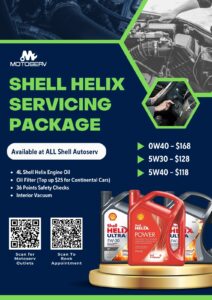
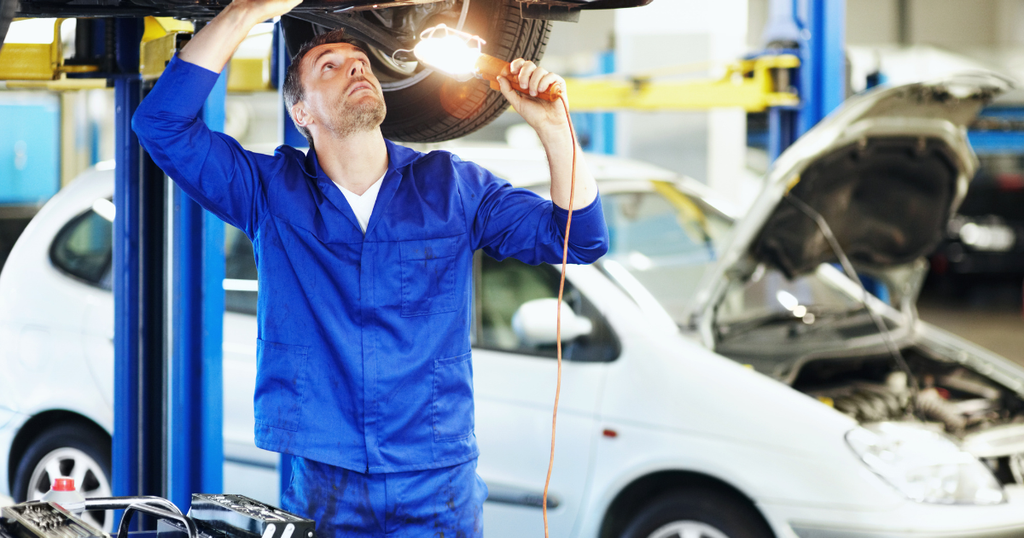
A visual check and test drive can reveal some problems, but they may not identify every mechanical or technical issue. A professional pre-purchase inspection can provide a more detailed assessment of the vehicle’s condition and highlight concerns that may need attention before you commit to buying. Motoserv lists Pre-Purchase Inspection among its services, making this a relevant option to explore when evaluating a used car. You can link the words pre-purchase inspection to Motoserv’s dedicated service page here. The supplied PDF confirms that the service is listed, but does not provide its exact inspection checklist or pricing, so these details should be verified before being included.
Common Mistakes to Avoid When Buying a Used Car
One common mistake when buying a used car is making a decision based only on its appearance, mileage, or asking price. Buyers may overlook incomplete service records, signs of previous repairs, unusual engine noises, or problems with the brakes and air conditioning. It is also important not to rush into a purchase without taking a test drive or asking the seller about any concerns identified during the inspection. Comparing the car’s condition with its price and considering the remaining COE and ongoing ownership costs can help you avoid unexpected expenses. Taking time to check these details before making a commitment can help you choose a vehicle that better suits your needs and budget.
Frequently Asked Questions (FAQs)
What should I check before buying a used car in Singapore?
Check the vehicle’s history, mileage, service records, exterior, interior, engine, tyres, brakes, air conditioning, and electrical systems. A test drive and professional inspection can help identify additional concerns.
Is a professional pre-purchase inspection worth it?
Yes, it can help identify potential mechanical or technical problems that may not be obvious during a visual check or test drive.
How can I identify signs of previous accident damage?
Look for uneven paintwork, misaligned body panels, inconsistent panel gaps, and signs of repairs. A professional inspection may help investigate suspected damage further.
Should I buy a used car with high mileage?
High mileage does not automatically mean a car is a poor choice. Consider its service history, maintenance, current condition, age, and asking price before deciding.
What costs should I consider when buying a used car in Singapore?
Consider the purchase price, remaining COE, road tax, insurance, and expected maintenance costs to understand the overall financial commitment.
Final Checklist and Conclusion
Before purchasing a used car, take a final moment to review its service history, mileage, overall condition, engine performance, tyres, brakes, and electrical systems. Make sure you have taken a test drive, checked the relevant COE and ownership details, and discussed any concerns with the seller. If the vehicle’s condition is uncertain, consider arranging a professional pre-purchase inspection before committing to the purchase.
Buying a used car in Singapore requires more than finding a model that looks good and fits your budget. Careful checks, clear information, and an understanding of ongoing ownership costs can help you make a more confident decision. By taking the time to assess the vehicle properly, you can better understand its condition and decide whether it is the right choice for you.