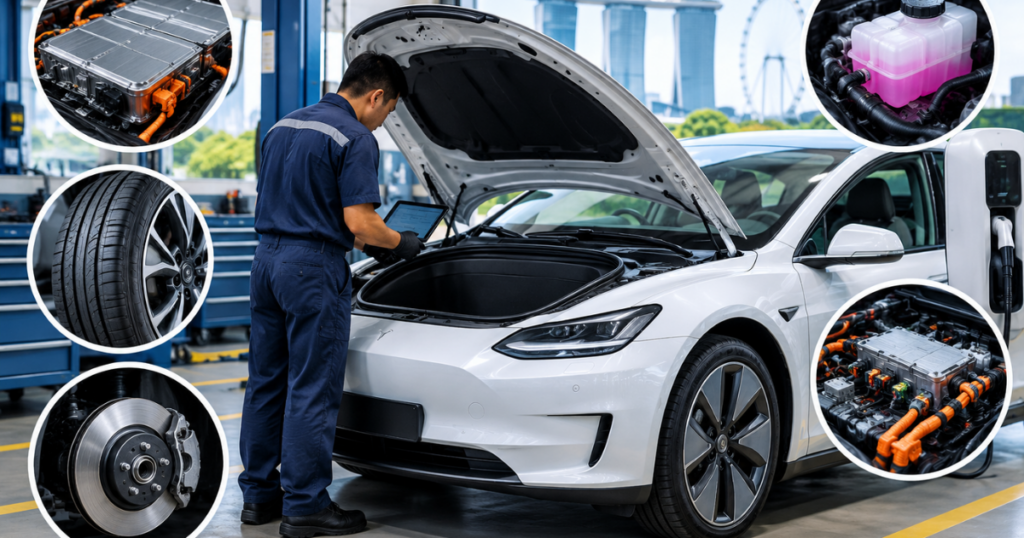
Regular electric vehicle (EV) servicing is important for Singapore drivers to maintain vehicle safety, reliability, and performance. Although electric cars have fewer moving parts than petrol-powered vehicles, they still require regular checks of the battery, tyres, brakes, cooling systems, and electrical components. Singapore’s hot and humid climate, combined with frequent stop-start traffic, can make it especially important to monitor vehicle condition and follow the manufacturer’s maintenance recommendations. Timely servicing can help identify potential problems early, maintain efficient operation, and reduce the risk of unexpected repairs. Whether you use your EV for daily commuting or longer journeys, understanding its maintenance needs and choosing a suitable EV service workshop can help you keep your vehicle in good condition over time.
How Electric Vehicle Servicing Differs from Petrol Car Servicing
Electric vehicles require a different maintenance approach from petrol-powered cars because they use electric motors and high-voltage battery systems instead of conventional engines and fuel systems. EVs do not need engine oil changes, spark plug replacements, or exhaust system maintenance, but they still require regular checks of their tyres, brakes, suspension, cooling systems, and electrical components. Regenerative braking can also reduce brake wear in many EVs, although the braking system still needs proper inspection. Understanding these differences helps owners follow the correct maintenance schedule and identify when professional servicing is necessary.
Essential Electric Vehicle Maintenance Checks
Regular maintenance helps keep an electric vehicle safe, reliable, and efficient. Although the exact service requirements depend on the vehicle model and manufacturer, several key areas deserve attention.
Battery Health and Charging
The high-voltage battery is one of the most important components of an EV. Owners should follow the manufacturer’s charging recommendations, monitor any battery-related warning messages, and pay attention to noticeable changes in charging performance or driving range. Battery health checks can help identify potential concerns, while unusual overheating or charging faults should be assessed by a qualified EV technician.
Tyres, Brakes, and Suspension
Electric vehicles can place additional demands on tyres because of their battery weight and instant torque. Check tyre pressure, tread depth, and uneven wear regularly. The braking system and suspension also need inspection to ensure safe handling and stopping performance. Although regenerative braking can reduce conventional brake-pad wear, it does not eliminate the need for brake maintenance.
Cooling Systems and Electrical Components
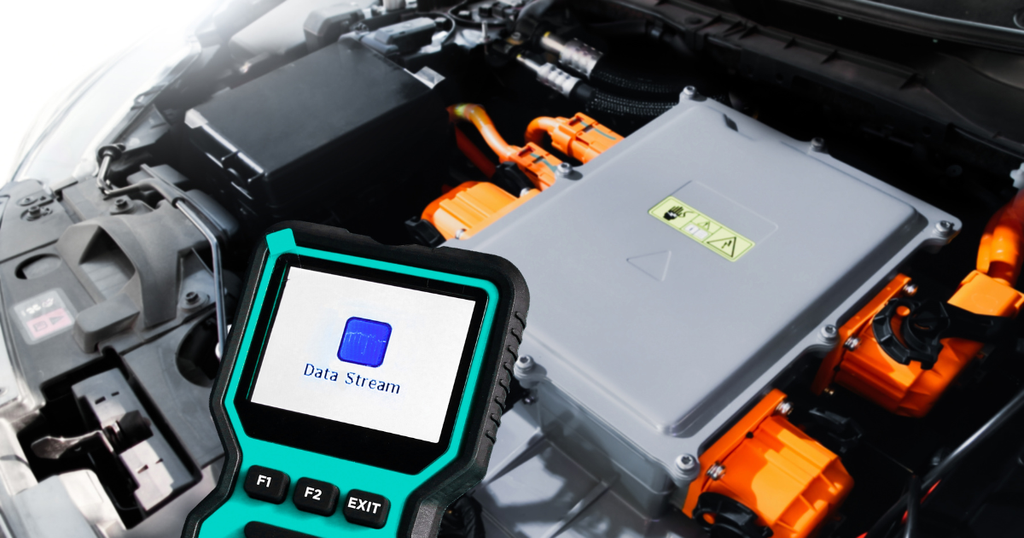
Many EVs use dedicated thermal-management systems to regulate battery, motor, and power-electronics temperatures. These systems must operate correctly to support performance and component longevity. Charging connections, cables, warning indicators, and relevant electrical components should also be checked according to the manufacturer’s recommendations. High-voltage components should only be inspected or repaired by appropriately trained professionals.
Common EV Problems and When to Seek Repairs
Electric vehicles can develop problems involving battery performance, charging equipment, software, cooling systems, tyres, or electrical components. Drivers should pay attention to warning lights, unexpected reductions in driving range, repeated charging interruptions, unusual noises, or changes in vehicle performance. These symptoms do not always indicate a major fault, but they should not be ignored, especially if they persist or worsen. If an EV displays a high-voltage system warning, shows signs of overheating, or experiences a serious loss of power, follow the manufacturer’s safety instructions and arrange professional assistance rather than attempting repairs yourself.
How Singapore’s Climate and Driving Conditions Affect EV Maintenance
Singapore’s hot, humid weather and frequent stop-start traffic make it important to follow an EV’s recommended maintenance schedule. High temperatures can affect battery thermal management, while repeated acceleration and braking can influence energy consumption and tyre wear. Air conditioning also uses energy from the vehicle’s battery, which can affect driving range depending on operating conditions. Regularly checking tyre pressure, monitoring vehicle alerts, and maintaining the cooling and braking systems can help owners manage these factors. Actual effects vary by EV model, driving habits, and battery-management technology, so manufacturer guidance remains essential.
How to Choose the Right Electric Vehicle Workshop in Singapore
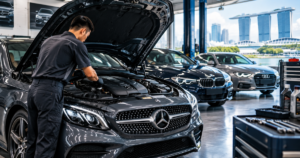
Choosing a suitable EV workshop involves more than comparing service prices. Look for technicians with relevant EV training, appropriate diagnostic equipment, and experience working with your vehicle’s make and model. Ask what the inspection covers, whether the workshop can diagnose charging or battery-related faults, and whether the proposed repairs follow the manufacturer’s recommendations. It is also worth clarifying the estimated costs and warranty terms before authorising any work.
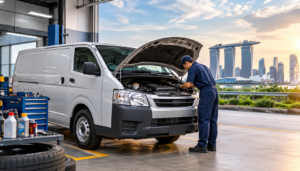
Motoserv lists an Electric Vehicle and Van Service & Maintenance Solution among its services. You can link this service name to the relevant Motoserv service page once its exact URL has been verified. The supplied PDF confirms that the service is listed, but does not provide its detailed scope, pricing, or technical capabilities.
EV Servicing Costs and Factors That Affect Your Maintenance Budget
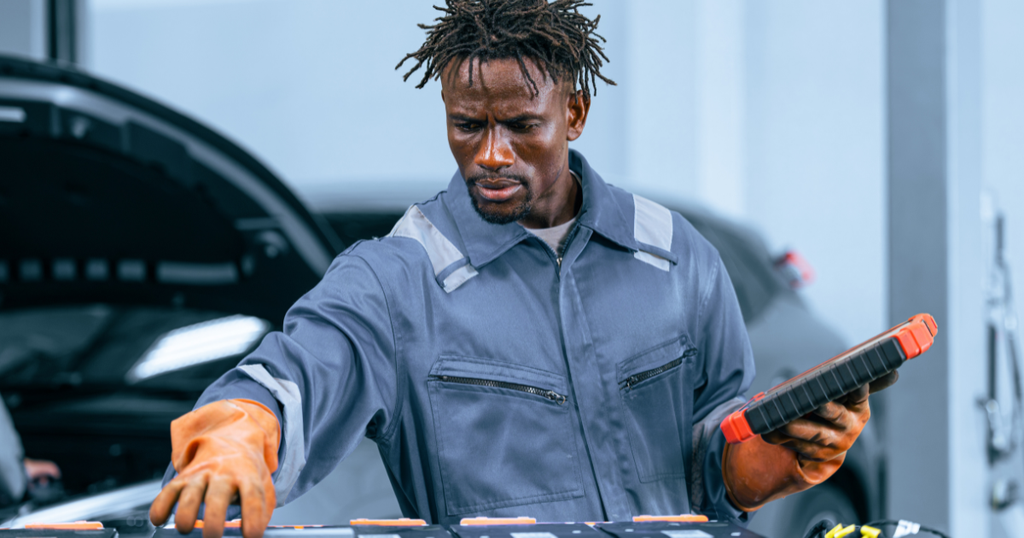
The cost of servicing an electric vehicle in Singapore depends on its make and model, age, condition, service requirements, and the type of repair needed. Routine inspections and tyre maintenance are different from diagnosing a charging fault or repairing a specialised electrical component. Battery-related work can also vary considerably depending on the fault and the manufacturer’s repair procedures. To plan your budget, request an itemised quotation, ask which checks are included, and clarify whether replacement parts or additional diagnostic work will incur extra charges. Since no verified Motoserv EV service prices are provided in the supplied PDF, specific prices should not be quoted without confirmation.
When Should You Book an EV Service or Repair?
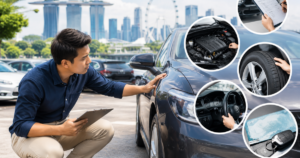
You should arrange EV servicing according to the manufacturer’s recommended schedule rather than waiting for a problem to appear. Additional inspection may be necessary if you notice warning lights, reduced driving range, charging difficulties, unusual noises, tyre damage, or changes in braking performance. A vehicle that has been involved in an accident or sustained damage near its battery or charging components may also require a professional assessment. If a serious electrical or battery warning appears, follow the vehicle manufacturer’s safety guidance and seek qualified assistance promptly. Regular checks and early attention to unusual symptoms can help prevent minor concerns from becoming more expensive problems.
Frequently Asked Questions (FAQs)
How often should an electric vehicle be serviced in Singapore?
Follow the service intervals recommended by your EV manufacturer, as maintenance requirements vary by model.
Do electric cars require less maintenance than petrol cars?
Generally, yes. EVs have fewer moving parts and do not require engine oil changes, but they still need regular inspections and maintenance.
How can I maintain my EV battery health?
Follow the manufacturer’s charging recommendations, avoid ignoring battery warnings, and keep the battery cooling system properly maintained.
What are the common signs that an EV needs repair?
Warning lights, charging problems, unusual noises, reduced driving range, or unexpected performance changes may indicate a problem.
Can a regular car workshop service an electric vehicle?
Some workshops can handle routine maintenance, but high-voltage battery and electrical repairs require appropriately trained technicians and suitable equipment.
Conclusion:
Regular servicing plays an important role in maintaining your electric vehicle’s safety, performance, and reliability in Singapore. By monitoring battery health, checking tyres and brakes, following the recommended maintenance schedule, and addressing warning signs early, you can reduce the risk of unexpected problems. Choosing a suitable EV workshop is equally important, particularly when specialised diagnostics or electrical repairs are required. Motoserv lists an Electric Vehicle and Van Service & Maintenance Solution among its services, which may be relevant to owners looking for professional support. Keeping up with routine maintenance helps you make informed decisions and care for your EV over the long term.