
That sudden clunking sound from under the bonnet or a new, mysterious light on your dashboard is enough to cause any driver’s heart to sink. The immediate concern isn’t just about the potential issue; it’s the wave of anxiety that follows. How serious is the problem? How much will it cost to fix? Finding a trustworthy workshop for car repair in Singapore can feel overwhelming, especially when you’re worried about being overcharged for services you don’t need.

This guide is designed to be your reliable companion, putting you back in control. We are here to help you decode those common warning signs, understand what to expect from a professional diagnostic process, and provide the essential criteria for selecting a truly expert and transparent workshop. Our goal is to demystify the entire process, empowering you to make informed decisions and ensure your vehicle receives the quality care it deserves without the stress and uncertainty. Let’s get you back on the road with complete peace of mind.
Recognising the Signs: When Does Your Car Need Repair?
While routine servicing is crucial for your car’s health in Singapore, it’s equally important to recognise the unscheduled warning signs that point towards a need for immediate attention. Ignoring these symptoms can quickly turn a minor issue into a costly and dangerous breakdown. Understanding what your car is telling you through sounds, sights, and its general performance is the first step in preventative care. This knowledge helps you distinguish between a minor quirk and an urgent problem requiring professional car repair, ultimately saving you time, stress, and money.
Audible Warnings: Listening to Your Car
Your car often communicates problems through distinct noises. Instead of turning up the radio, listen closely to these potential warnings:
- Squealing or Grinding Brakes: A high-pitched squeal is often the first indicator of worn brake pads. If it becomes a harsh grinding sound, it means the pads are completely gone, potentially causing more expensive damage to your brake discs.
- Clicking or Popping When Turning: This sound typically points to a worn or damaged Constant Velocity (CV) joint, a critical component of your car’s axle that needs immediate inspection.
- Rumbling or Whining Under the Bonnet: These noises can indicate issues with various parts, such as a failing water pump, a bad wheel bearing, or a problem with the power steering system.
Visual Cues: Dashboard Lights and Leaks
Some of the most direct warnings come from what you can see, both on your dashboard and under your vehicle. Key visual signs include:
- The ‘Check Engine’ Light: This is your car’s primary diagnostic alert. While it can signal anything from a loose petrol cap to a serious engine misfire, it should never be ignored. A professional diagnosis at a certified automobile repair shop is essential to identify the root cause.
- Fluid Leaks: Coloured puddles under your car are a clear red flag. Bright green or orange often indicates a coolant leak, while red or brown could be transmission or power steering fluid.
- Visible Exhaust Smoke: Blue smoke suggests your engine is burning oil, thick white smoke can mean a coolant leak into the engine, and black smoke points to the engine burning too much fuel.
Performance Issues: How Your Car Feels
Pay attention to how your car drives. A sudden change in handling or performance is a strong indicator that something is wrong and requires professional attention.
- Vibrations or Shaking: If you feel shaking through the steering wheel, especially at higher speeds, it could be as simple as unbalanced tyres or a more serious suspension or alignment issue.
- Difficulty Starting: A slow or struggling engine start often points to a dying battery. However, it could also signal a problem with the alternator or the starter motor.
- Reduced Fuel Efficiency: If you find yourself visiting the petrol station more often without a change in your driving habits, it may signal an underlying engine problem, such as faulty sensors or clogged fuel injectors.
Decoding the Problem: Common Car Repair Categories Explained
Walking into a workshop can feel intimidating when you’re faced with technical terms. Understanding the main systems of your vehicle is the first step towards a more confident car repair experience. This knowledge empowers you to ask the right questions, understand the work being proposed, and make informed decisions. To help you become a more savvy car owner, we break down complex issues into simple, understandable categories, a practice also recommended in consumer guides like the U.S. Federal Trade Commission’s Auto Repair Basics.
Engine & Transmission Repairs
The engine and transmission are the heart and soul of your vehicle, responsible for generating and delivering power. When mechanics refer to “engine work,” they could be addressing issues like:
- Overheating: Often caused by coolant leaks or a faulty radiator.
- Oil Leaks: Indicated by dark puddles under your car.
- Timing Belt Replacement: A critical maintenance task to prevent severe engine damage.
Transmission problems typically manifest as difficulty changing gears, a whining sound, or a jerky, slipping sensation while driving. These are complex systems that require specialised diagnostic equipment and expert hands to resolve correctly.
Brake System & Suspension Repairs
Your safety on the road depends heavily on a fully functional brake and suspension system. Brake repairs are non-negotiable and usually involve replacing worn-out components like brake pads and rotors or flushing the brake fluid to ensure optimal performance. The suspension system, including shock absorbers and struts, is responsible for ride comfort and stable handling. If your car feels unusually bouncy or rough over bumps, it’s a clear sign your suspension needs professional attention.
Air-Conditioning & Electrical System Repairs
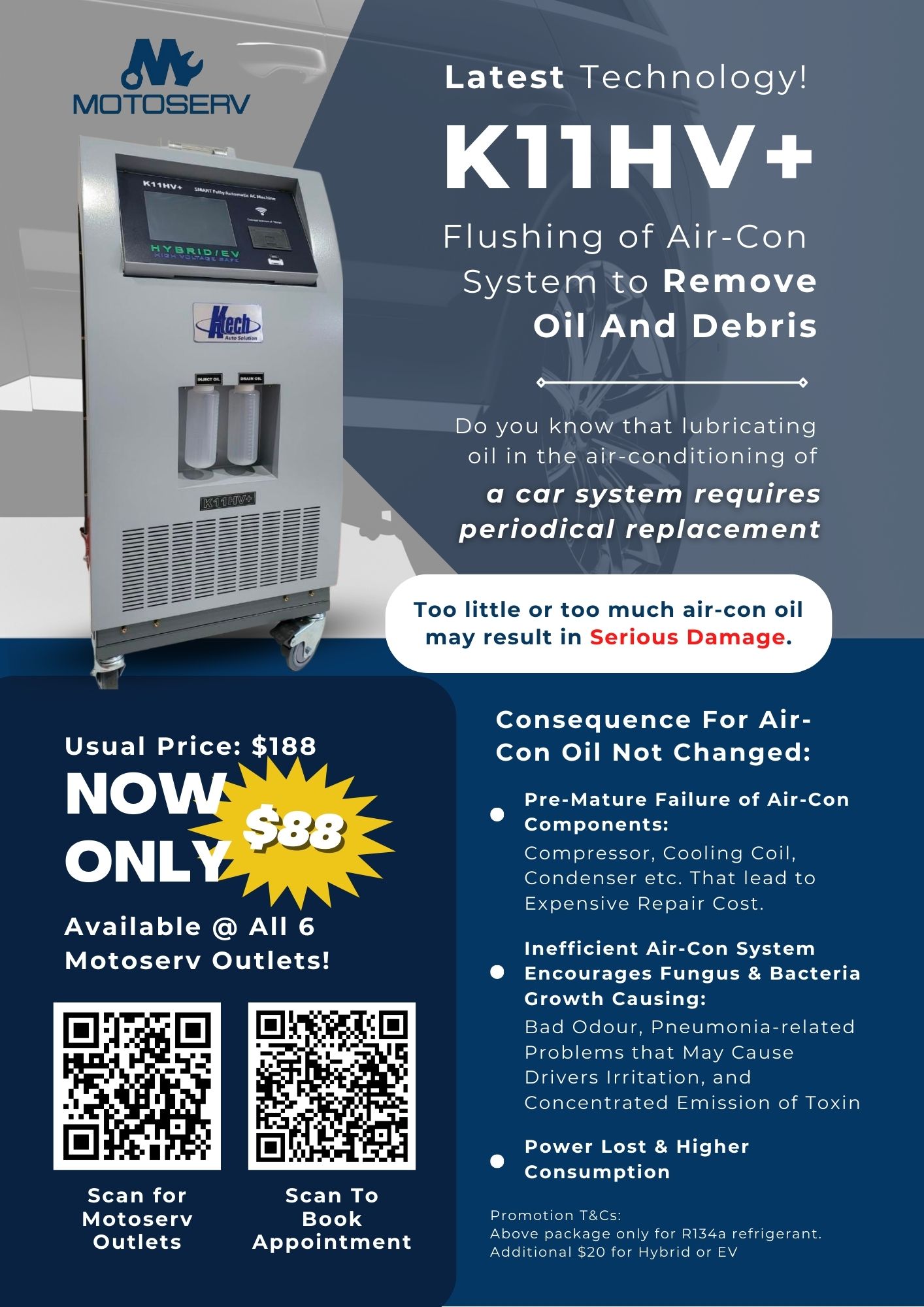
In Singapore’s climate, a faulty air-conditioner is more than an inconvenience. The most common issue is the system not blowing cold air, which often points to a refrigerant leak. Meanwhile, your car’s electrical system is a complex network controlling everything from your headlights to the engine management computer. Problems can range from a simple dead battery to intricate wiring faults that require an expert diagnosis to pinpoint and fix, ensuring all your car’s modern features function as they should.
The Car Repair Process: What to Expect at a Professional Workshop
The thought of car repair can be daunting, often due to a fear of the unknown. What is the mechanic actually doing? Are the costs justified? A professional workshop in Singapore removes this anxiety by following a clear, transparent procedure. Understanding this process empowers you, transforming you from a worried car owner into an informed and confident customer. From initial diagnosis to the final handover, here is what you should expect.
Step 1: Diagnosis and Inspection
A reliable repair journey begins with an accurate diagnosis. A professional mechanic will first listen carefully to your description of the problem and may take your vehicle for a short test drive to experience the issue firsthand. They will then use specialised computer diagnostic tools to read error codes from your car’s Engine Control Unit (ECU), providing precise data to pinpoint the fault. This is always followed by a thorough visual inspection of the suspected components to confirm the findings.
Step 2: Understanding the Quote
Transparency is key. Before any work begins, you must receive a detailed quotation. This is not just a single figure; it should be a clear breakdown that allows you to see exactly what you are paying for. A professional quote will always include:
- A clear list of all necessary replacement parts and their individual costs in S$.
- A separate line item for the estimated labour charges.
- Any applicable GST or miscellaneous fees.
Do not hesitate to ask for clarification on any item you don’t understand. A trustworthy service advisor will be happy to explain each charge.
Step 3: Authorising the Repair & Getting Updates
You are always in control of the repair process. A workshop should never start work without your explicit approval of the quote. Furthermore, if the mechanic discovers another issue while performing the approved car repair, they are obligated to stop and contact you for further authorisation. This commitment to customer consent is a standard upheld by reputable members of the industry, including those recognised by the Singapore Motor Workshop Association. Proactive communication and regular updates are the hallmarks of a service provider you can trust.
Choosing the Right Workshop for Car Repair in Singapore
When your vehicle needs attention, the workshop you choose makes all the difference. Not all workshops are created equal, and selecting a reliable partner goes far beyond just finding the lowest price. A quality establishment provides expert service, transparent communication, and the peace of mind that your car is in safe hands. To make an informed decision, consider factors like official accreditation, specialised experience, and clear warranty policies.
Accreditation and Certifications
Look for official credentials as a mark of quality and accountability. In Singapore, a workshop with CASETRUST accreditation is committed to fair trading and transparent business practices, giving you recourse if disputes arise. Furthermore, certifications like those from the Institute of the Motor Industry (IMI) UK signal that mechanics are professionally trained to meet high international standards, ensuring your vehicle is handled by capable experts.
Specialisation and Experience
A workshop’s expertise should align with your vehicle’s specific needs. Before committing to any major car repair, it is wise to ask about their experience in key areas:
- Vehicle Make: Do they have a strong track record with Japanese, Korean, or Continental cars? Using the right diagnostic tools for your specific brand is crucial.
- EV and Hybrid Vehicles: Are their technicians professionally certified to handle high-voltage systems safely and effectively? This is a critical safety and performance consideration.
- Specific Systems: Do they have dedicated experts for complex jobs like air-conditioning, transmission, or engine diagnostics?
Transparency and Warranty
A trustworthy workshop operates with complete transparency. Always insist on a clear, itemised quote before authorising any work to avoid unexpected costs upon collection. A key indicator of quality is a workshop that stands behind its service with a clear warranty on both parts and labour. This commitment shows confidence in their workmanship and protects your investment. See why Motoserv’s accredited workshops are a trusted choice.
Understanding Car Repair Costs and Parts
Navigating the costs of car repair in Singapore can feel complex, but it doesn’t have to be. Understanding what goes into your final bill empowers you to make informed decisions, ensuring you receive both quality service and fair value without compromising on safety. A transparent workshop will always help you understand your options.
What Influences the Final Bill?
The final cost for any repair is a combination of several key factors. A professional workshop will be transparent about how these elements contribute to your quote.
- Vehicle Profile: The make, model, and age of your car play a significant role. Parts for Continental brands are often priced differently than those for Japanese or Korean models, and older vehicles may require harder-to-find components.
- Labour and Complexity: A routine task like an oil change requires less time and expertise than diagnosing a complex engine management fault. Labour costs, typically charged in S$, are based on the estimated time our experienced mechanics need to complete the job to the highest standard.
- Cost of Replacement Parts: The type of parts you choose is often the biggest variable in the final price.
Genuine vs. OEM vs. Aftermarket Parts
To ensure full transparency, it’s vital to know the difference between the parts available for your vehicle. This choice directly impacts both the cost and performance of your car.
- Genuine Parts: Supplied directly by your car’s manufacturer in branded packaging. They offer guaranteed compatibility and quality but come at the highest price.
- OEM (Original Equipment Manufacturer) Parts: Made by the same company that produces the genuine parts, but sold without the car manufacturer’s logo. They provide identical quality at a more competitive price point.
- Aftermarket Parts: Produced by independent companies. While they are the most budget-friendly option, quality can vary. A professional workshop will only recommend and use reputable aftermarket brands that meet stringent safety standards.
How to Ensure Fair Pricing
A trustworthy service experience is built on a foundation of clear communication and honest pricing. You should always feel confident about the work being done on your car.
- Always get a written quote: Before any work begins, ask for a detailed, itemised quote listing all parts and labour costs in S$.
- Ask for a breakdown: Don’t hesitate to ask questions. A professional technician should be able to explain clearly why a certain procedure or part is necessary for your vehicle’s safety and performance.
- Trust in clear recommendations: A reliable workshop will discuss your options, explaining the pros and cons of using different types of parts to fit your budget and needs.
Making an informed choice is key to getting the best value from your car repair. For transparent advice and professional service you can depend on, entrust your car with our certified team.
Entrust Your Vehicle to Singapore’s Car Repair Experts
Navigating automotive maintenance can feel complex, but it doesn’t have to be. By recognising the warning signs and understanding the fundamentals of the car repair process, you are empowered to make confident decisions for your vehicle’s health. The most critical step is choosing a professional workshop that values transparency, quality, and your peace of mind.
At Motoserv, we are dedicated to providing a trustworthy and reliable service experience. Our commitment to excellence is demonstrated through our CASETRUST accreditation and our team of highly skilled, IMI (UK) Certified Technicians. With a convenient island-wide network of workshops, our specialists are ready to service Japanese, Continental, Hybrid, and EV models with precision and expert care.
Experiencing car trouble? Get a professional diagnosis at a Motoserv workshop near you.
Drive with the assurance that your vehicle is in expert hands. Choose reliability and get back on the road safely and confidently.
Frequently Asked Questions About Car Repair
What’s the difference between car servicing and car repair?
Car servicing is proactive, routine maintenance performed at regular intervals to keep your vehicle in optimal condition. This includes tasks like oil changes and filter replacements. Car repair, on the other hand, is reactive. It involves diagnosing and fixing a specific problem after a component has failed or your car is not performing correctly. Regular servicing helps to prevent the need for unexpected and often more costly repairs, ensuring your vehicle’s safety and reliability.
How long does a typical car repair take?
The duration of a car repair in Singapore varies significantly depending on the complexity of the issue and parts availability. Minor fixes, such as replacing a battery or brake pads, can often be completed within a few hours. However, more complex jobs like engine or transmission work may take several days. A professional and transparent workshop will always provide you with a clear time estimate after a thorough diagnosis of the problem before commencing any work.
Should I go to an authorised dealer or an independent workshop for repairs?
Both options have their merits. Authorised dealers offer brand-specific expertise but often come at a premium price. A reputable independent workshop provides a high standard of service for various makes and models, often at a more competitive cost. For peace of mind, choose an established workshop with experienced, certified mechanics and industry accreditations, like CASETRUST, which guarantees quality service and transparent practices for any car model you entrust with them.
What should I do if my car breaks down on the road in Singapore?
Your safety is the top priority. First, switch on your hazard lights immediately. If possible, carefully guide your vehicle to the leftmost lane or road shoulder, away from traffic. Once safely stopped, exit the vehicle from the passenger side and stand behind a safety barrier if available. Do not attempt to fix the issue yourself. Call a professional 24-hour roadside assistance service or a trusted workshop for help. For tourists or digital nomads facing similar logistical challenges in other countries, platforms that offer guidance can be invaluable; for example, you can visit Jasumo for support in Japan.
Is it safe to use aftermarket parts for my car repair?
Yes, it can be perfectly safe and cost-effective to use high-quality aftermarket parts. These parts are made by companies other than your vehicle’s original manufacturer. The key is quality and reliability. A trustworthy workshop will only source parts from reputable suppliers that meet or exceed safety standards. They will also be transparent about the parts being used, giving you the choice between original and quality aftermarket options to suit your budget and needs.
My ‘Check Engine’ light is on. Is it urgent?
This depends on how the light is behaving. If the light is steady, it indicates a non-critical fault has been detected. You should schedule an appointment to have it diagnosed by a professional mechanic as soon as is convenient. However, if the ‘Check Engine’ light is flashing, it signals a serious problem that could cause severe damage to your engine or catalytic converter. You should pull over safely and stop the car immediately, then call for professional assistance.
How can I tell if a car workshop is trying to overcharge me?
A reliable workshop prioritises transparency. Be cautious if a workshop is hesitant to provide a detailed, itemised quote before starting any work. A professional mechanic should be able to clearly explain why a repair is needed and what parts are involved. Also, be wary of high-pressure tactics for “urgent” fixes that don’t seem critical. Look for workshops with positive reviews and accreditations like CASETRUST, as this demonstrates a commitment to fair and honest pricing.