Owning a hybrid in Singapore is a smart choice for fuel efficiency, but the path to proper hybrid car maintenance can feel uncertain. Are you concerned about the potential cost of a battery replacement, which can run into thousands of dollars? Do you worry that your regular workshop isn’t qualified to handle its complex, high-voltage systems? These common anxieties can take the joy out of driving an advanced, modern vehicle.
We believe every hybrid owner deserves peace of mind. That’s why we’ve created this essential guide to demystify the process for Singapore drivers. You don’t need to be a technical expert to protect your investment; you just need reliable, straightforward information from a professional source you can trust.
In this guide, you will find a clear, easy-to-follow checklist covering your hybrid’s unique battery, cooling, and regenerative braking systems. We’ll help you understand your car’s specific service schedule and give you the confidence to choose a qualified, IMI-certified workshop. Our goal is to empower you to extend your car’s lifespan, avoid costly repairs, and enjoy every efficient drive on our roads.
How is Hybrid Maintenance Different from a Regular Car?
Understanding hybrid car maintenance begins with recognising its unique powertrain. A hybrid vehicle intelligently combines a traditional internal combustion engine (ICE) with an electric motor and a high-voltage battery system. While you’ll find familiar components like a petrol engine and brakes, their usage patterns are fundamentally different. To truly grasp the service needs, it helps to know how hybrid electric vehicles work, as this dual-power design introduces specialised parts like the battery pack, an inverter, and the electric motor itself. These differences are why a specialised approach to hybrid car maintenance is not just recommended—it’s essential for ensuring safety, efficiency, and long-term reliability.
The Internal Combustion Engine (ICE)
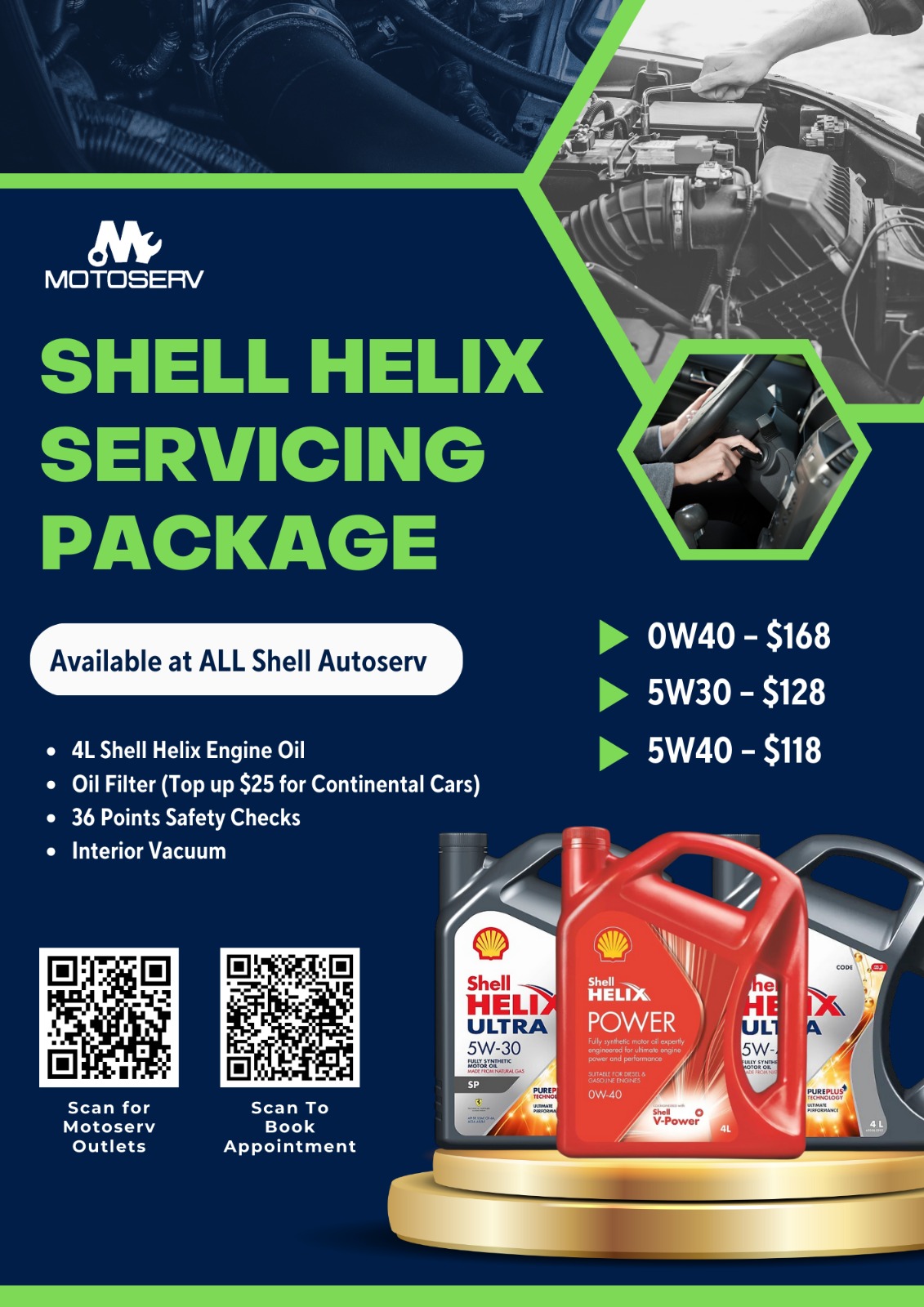
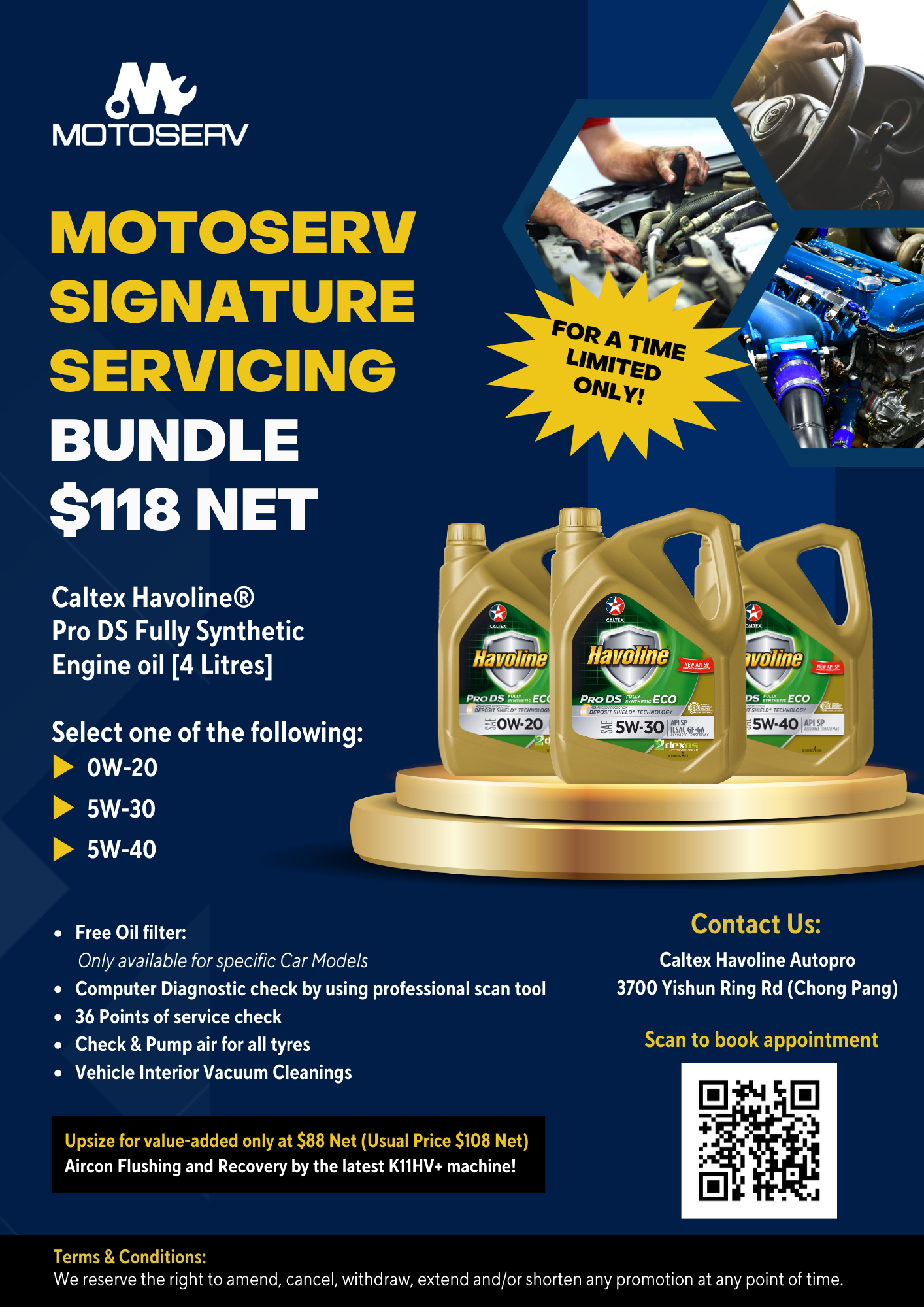
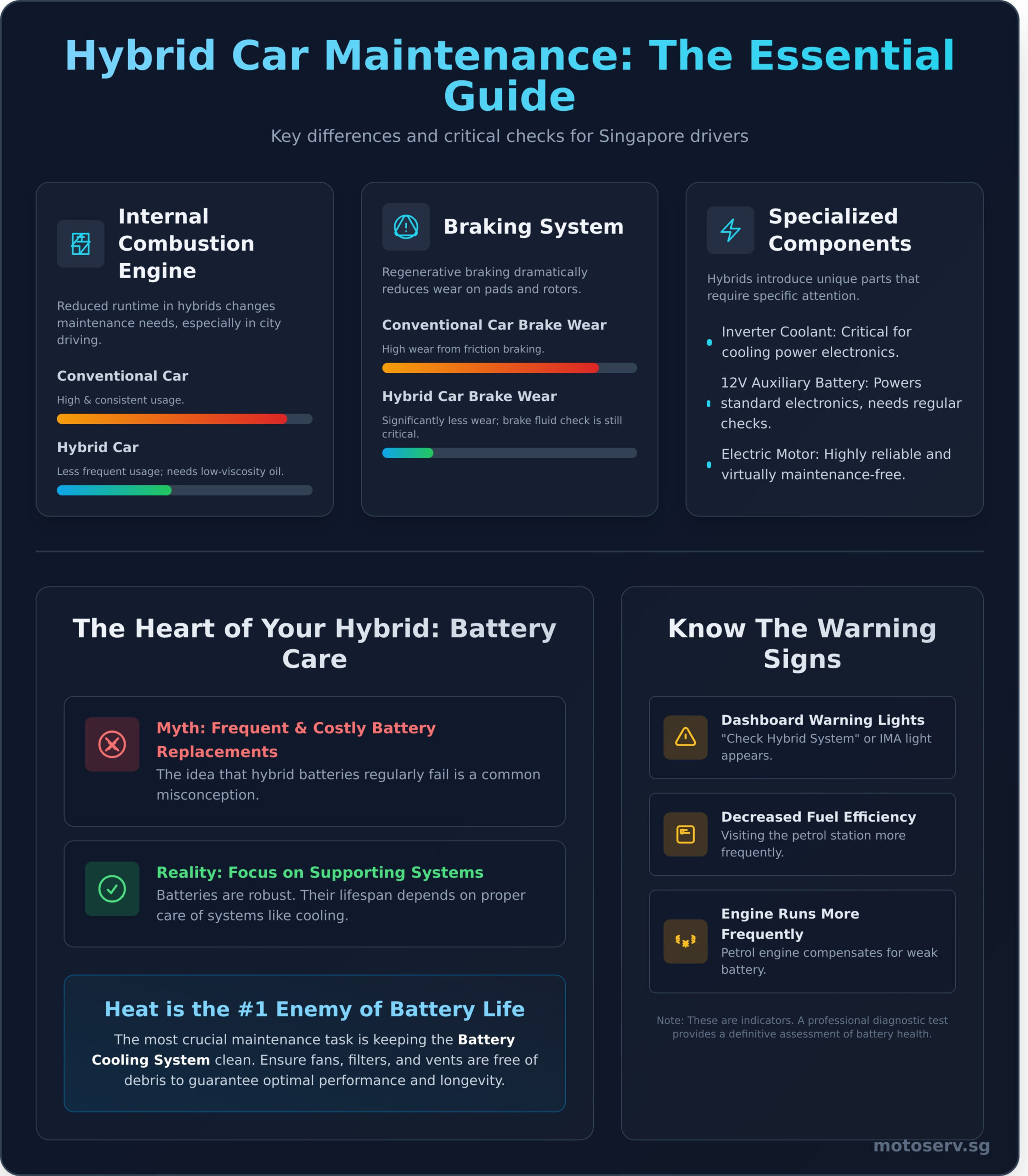
In a hybrid, the petrol engine runs far less frequently than in a conventional car, especially during low-speed, start-stop driving common in Singapore. This reduced runtime means the engine may not always reach its optimal operating temperature. It is crucial to use the correct low-viscosity engine oil specified by the manufacturer to ensure proper lubrication and efficiency during frequent on-off cycles. Despite less use, oil still degrades and can accumulate moisture, making timely oil changes vital to prevent sludge and protect engine health.
The Regenerative Braking System
One of the key advantages of a hybrid is its regenerative braking system, which uses the electric motor to slow the vehicle and recharge the battery. This process significantly reduces wear on the conventional brake pads and rotors, meaning they can last much longer, saving you money on replacements. However, your brake fluid still absorbs moisture from the air over time, which can lead to corrosion and reduced braking performance. Regular brake fluid flushes and periodic inspections by a professional are still necessary to ensure the entire system is safe and responsive.
Additional Electrical Components
Beyond the engine and brakes, several other components require attention:
-
12V Auxiliary Battery: Just like a regular car, a hybrid has a 12V battery to power lights, infotainment, and other standard electronics. This battery still needs to be tested and replaced as part of routine service.
-
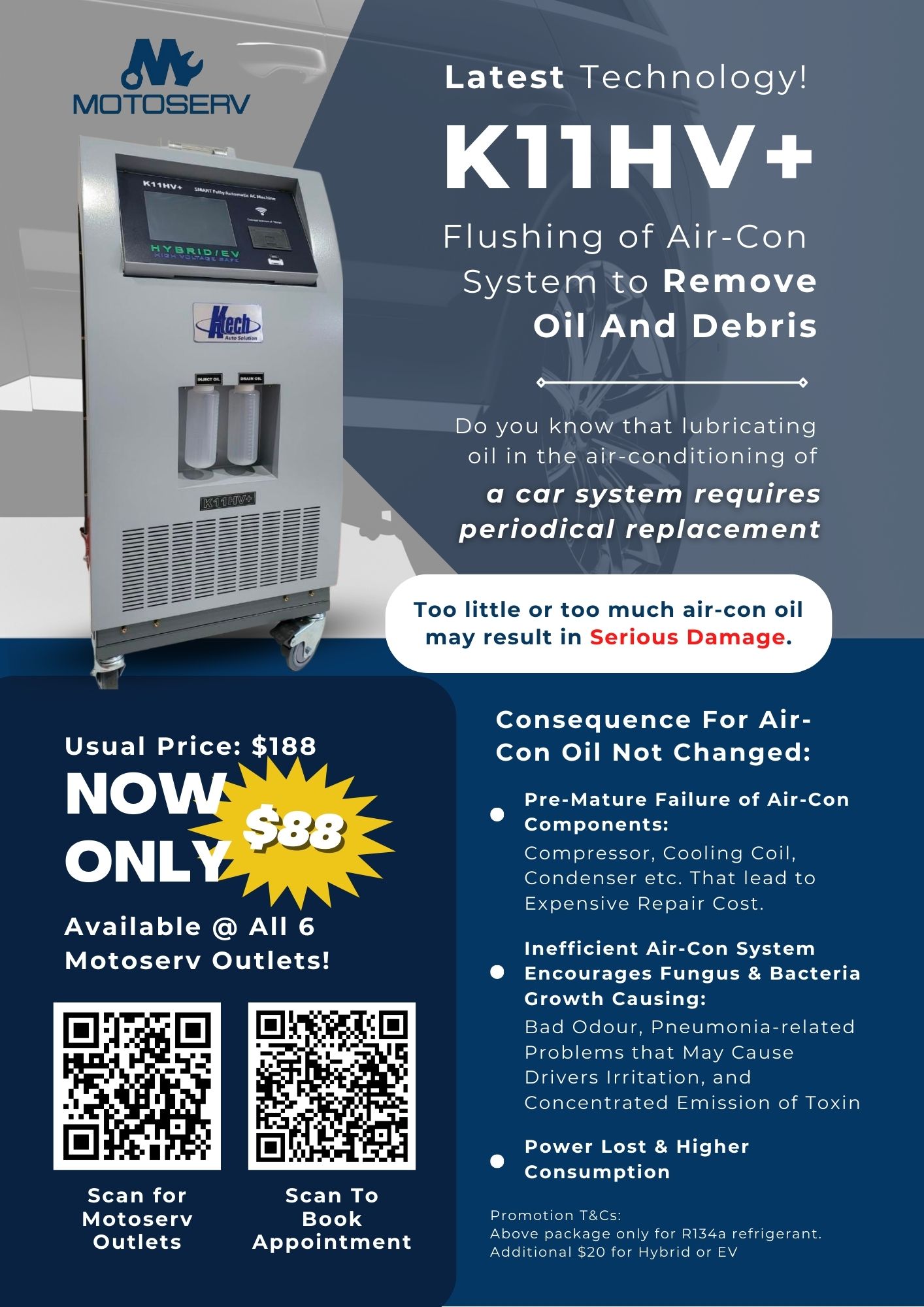
Inverter Coolant: The inverter converts DC power from the battery to AC power for the motor. This process generates significant heat, so the inverter has its own dedicated cooling system. This coolant is a critical fluid that must be inspected and changed at recommended intervals to prevent overheating and costly damage.
-
Electric Motor: The good news is that the main electric drive motor is a highly reliable, sealed component that is virtually maintenance-free.
The Hybrid Battery System: Your Top Questions Answered
For many drivers considering a switch to a hybrid, the number one concern is the high-voltage battery. The fear of a sudden, expensive replacement can be a significant worry. However, we are here to provide peace of mind: hybrid batteries are robust components designed to last the entire lifespan of the vehicle.
The myth of frequent, costly battery servicing is one of the most persistent in the automotive world. The reality is that the focus of proper hybrid car maintenance isn’t on the battery itself, but on its crucial supporting systems. In fact, many official guides on hybrid vehicle maintenance requirements confirm that these vehicles often need less maintenance on traditional components. Proactive care is the key to ensuring your battery performs reliably for years to come. https://motoserv.sg/products/hybrid-car-battery-service/
Understanding Your High-Voltage Battery
This powerful battery is the heart of your car’s hybrid system. Its sole job is to store electrical energy and supply it to the electric motor, which assists the petrol engine to improve fuel efficiency. It is completely separate from the conventional 12V battery that starts your car and powers accessories like the radio and lights. In Singapore’s hot and humid climate, maintaining the battery’s optimal operating temperature is especially critical for its long-term health.
Essential Maintenance: The Battery Cooling System
Heat is the primary enemy of any battery. Your hybrid vehicle has a dedicated cooling system—usually involving a fan and air vents—to prevent the high-voltage battery from overheating. Over time, the cooling system’s filter and vents can become clogged with dust, pet hair, and other debris, restricting airflow. A simple, regular inspection and cleaning of this filter by a professional mechanic is one of the most effective steps you can take to extend your battery’s life.
Signs of a Weakening Hybrid Battery
While battery failure is uncommon, it’s wise to know the warning signs. If you notice any of the following, it is best to seek a professional assessment:
-
Dashboard Warning Lights: Look for alerts like "Check Hybrid System" or the IMA (Integrated Motor Assist) light.
-
Decreased Fuel Efficiency: If you are visiting the petrol station more often, it could mean the electric motor isn’t providing as much assistance.
-
Engine Runs More Frequently: The petrol engine may kick in more often or run constantly to compensate for a lack of electrical power.
While these symptoms are useful indicators, the only way to be certain about your battery’s condition is with a professional diagnostic test. Our certified mechanics have the expert tools to assess its health and provide honest, transparent recommendations.
A Practical Hybrid Maintenance Checklist for Singapore Drivers
To maximise your hybrid’s efficiency and lifespan in Singapore’s unique urban driving conditions, a consistent service routine is essential. Unlike petrol cars, hybrids have specific needs related to their battery and electrical systems. Following a structured hybrid car maintenance schedule ensures both the engine and electric components receive the professional attention they require. This checklist provides a reliable timeline based on typical mileage and time intervals for Singaporean drivers.
Every 10,000 km or 6 Months
-
Engine Oil and Filter Change: Your hybrid’s engine starts and stops frequently, which can be tough on oil. Using the manufacturer-specified low-viscosity oil ensures proper lubrication during these cycles and protects engine components from premature wear.
-
Tyre Rotation: Even tyre wear is critical for maintaining optimal fuel efficiency and performance from the regenerative braking system. Regular rotation prevents uneven wear patterns, extending tyre life and ensuring safety.
-
Inspect and Clean Hybrid Battery Cooling Fan Filter: This is a vital step in proper hybrid car maintenance. A clogged filter in Singapore’s heat can cause the high-voltage battery to overheat, drastically reducing its performance and lifespan.
-
Check Brake Fluid Level and Condition: While regenerative braking reduces wear on brake pads, the hydraulic brake fluid can still absorb moisture and degrade. A professional check ensures your primary safety system is always ready to perform when needed.
Every 40,000 km or 2 Years
-
Replace Engine and Cabin Air Filters: A clean engine air filter is crucial for efficient combustion when the petrol engine is running. A fresh cabin filter ensures the air you breathe inside your vehicle is clean and free of pollutants.
-
Perform Comprehensive Brake System Inspection: Because the hydraulic brakes are used less frequently, components like calipers can seize from lack of use. This thorough inspection ensures all parts are moving freely and are free from corrosion.
-
Inspect Inverter Coolant Level and Condition: The inverter, which converts DC power from the battery to AC for the motor, generates significant heat. This dedicated cooling system is critical to prevent damage to expensive electronic components.
Every 80,000 – 100,000 km
-
Replace Spark Plugs: Although they fire less often than in a conventional car, spark plugs still wear down. Replacing them ensures the petrol engine runs efficiently and cleanly when it is called upon, preventing misfires and poor fuel economy.
-
Consider Flushing and Replacing Inverter Coolant: Over time, the inverter coolant loses its protective properties. A full flush and replacement is a key preventative measure to protect the heart of your car’s electric drive system.
-
Perform a Comprehensive Hybrid System Diagnostic Check: Our expert mechanics use specialised tools to assess the health of your high-voltage battery, electric motor, and control modules, identifying potential issues before they become costly problems.
-
Not sure what your car needs? Get a professional assessment at Motoserv.
Why You Need a Specialist for Your Hybrid Car Service
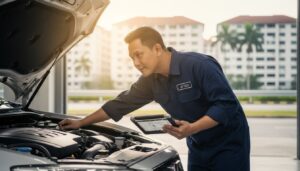
While your hybrid vehicle shares many components with a standard petrol car, its sophisticated electrical system requires a level of expertise that most general workshops cannot provide. The high-voltage battery and powertrain components pose significant safety risks if handled by untrained individuals. Entrusting your vehicle to a specialist is not a luxury; it’s a crucial step in ensuring both your safety and the car’s long-term health. Proper hybrid car maintenance is an investment in quality and peace of mind.
The Right Tools and Diagnostic Equipment
Standard OBD2 scanners used in many workshops can only read basic engine codes. They often fail to access the detailed data from a hybrid’s battery management system, inverter, or electric motor. Our specialists use advanced diagnostic tools designed to interpret these complex, manufacturer-specific codes. This ensures accurate problem-solving, preventing costly misdiagnoses and unnecessary parts replacement. Furthermore, we use specialised insulated tools to safely manage high-voltage components during servicing.
IMI Certified Technicians: The Gold Standard
The Institute of the Motor Industry (IMI) is the leading professional body for the automotive sector, setting international standards for excellence. An IMI-certified technician has undergone rigorous training specifically in hybrid and electric vehicle systems, with a strong focus on high-voltage safety protocols. When you choose a workshop with IMI-certified staff, you can be confident that your vehicle is being serviced by experts who understand its intricate technology and are qualified to handle it safely.
Motoserv: Your Trusted, CASETRUST-Accredited Hybrid Workshop
At Motoserv, we combine technical expertise with a commitment to customer trust. Our team includes IMI-certified technicians who are experts in hybrid car maintenance and repair. This expertise is backed by our CASETRUST accreditation, assuring you of transparent pricing and fair business practices. With multiple convenient workshop locations across Singapore, professional hybrid care is always within reach. Entrust your vehicle to a team that offers both certified skills and a dedication to quality service.
Choosing a specialist workshop like Motoserv ensures your hybrid receives the precise care it needs to perform efficiently and safely for years to come.
Entrust Your Hybrid to Singapore’s Certified Experts
As we’ve explored, your hybrid is a sophisticated vehicle where the engine, electric motor, and high-voltage battery must work in perfect harmony. This means that from the regenerative braking system to the specialised cooling fluids, its needs are distinctly different from a conventional car. Proper care is not just about oil changes; it’s about preserving the efficiency and extending the lifespan of these advanced components on Singapore’s roads.
That is why entrusting your vehicle to a specialist is not a luxury, but a necessity. At Motoserv, we provide the professional hybrid car maintenance your vehicle demands. Our team of IMI (UK) Certified Technicians possesses the specific training to diagnose and service these intricate systems safely and effectively. As a CASETRUST Accredited workshop with multiple convenient locations islandwide, we offer peace of mind through transparent, fair, and reliable service every time.
Book your professional hybrid service with our IMI-certified experts today. Drive with confidence, knowing your hybrid is in the best hands.
Frequently Asked Questions About Hybrid Car Maintenance
Is hybrid car maintenance more expensive than for a regular car?
While the advanced technology might seem costly, routine hybrid car maintenance can often be more affordable. Key components like brake pads last longer due to regenerative braking, and the petrol engine experiences less wear. The main potential long-term expense is the hybrid battery replacement. However, with proper care and regular servicing by professionals, many owners find their overall running costs are lower than a conventional petrol car, offering significant savings over the vehicle’s lifespan.
How long does a hybrid battery last in Singapore’s hot climate?
Modern hybrid batteries are designed for durability, even in Singapore’s warm and humid conditions. Most manufacturers offer a warranty of 8-10 years or around 160,000 km. While extreme heat can impact any battery, hybrids have sophisticated cooling systems to protect these components. With regular servicing at a professional workshop, you can ensure this system functions optimally, helping to maximise the battery’s lifespan and performance, giving you peace of mind on the road.
Do I still need to change the engine oil in a hybrid if I mostly drive on electric power?
Yes, regular oil changes are still essential for your hybrid vehicle. Even with frequent electric-only driving, the petrol engine still runs to charge the battery and provide power when needed. Engine oil degrades over time due to moisture and contaminants, not just from mileage. Adhering to the manufacturer’s recommended service schedule is crucial to prevent engine damage and ensure your car runs efficiently and reliably for years to come.
What are the most common problems to look out for in older hybrid cars?
For older hybrids, the most common concerns are related to the specialised components. These include gradual battery degradation leading to reduced fuel efficiency, potential inverter or converter failure, and issues with the battery cooling system. Regular diagnostic checks by an experienced technician are the best way to identify and address these potential problems early, ensuring the safety and reliability of your vehicle and preventing more expensive repairs down the line.
Can I take my Toyota Prius or Honda Vezel Hybrid to any workshop?
It is strongly recommended to entrust your hybrid to a workshop with specialised expertise. Hybrid vehicles contain high-voltage systems and complex electronics that require specific diagnostic tools and safety training. For quality hybrid car maintenance, always choose a workshop with certified mechanics experienced with models like the Prius and Vezel. This ensures the work is done safely and correctly, protecting both your vehicle’s intricate systems and your investment.
What does the ‘Check Hybrid System’ warning light mean?
This warning light indicates a fault within the hybrid powertrain. It could be an issue with the high-voltage battery, the inverter, the transmission, or the cooling system. This is a serious warning that requires immediate professional attention. For your safety, you should stop driving when it is safe to do so and have your vehicle diagnosed by an expert mechanic. Ignoring this light can lead to more significant damage or a complete system failure.