

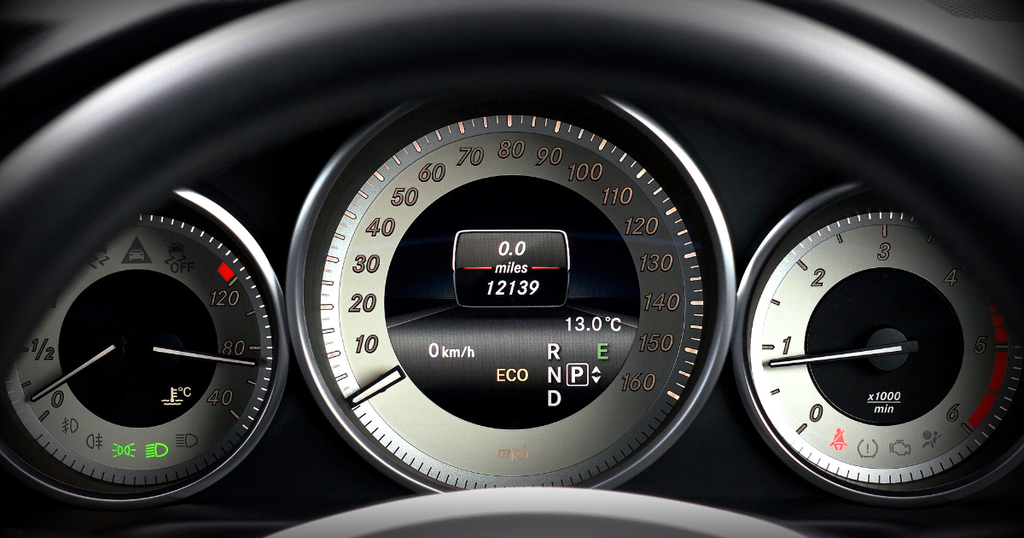
Mileage is one of the first things buyers usually check when looking at a used car because the odometer shows how far the vehicle has travelled. It can provide a useful indication of how much the car has been used and may affect its resale value, wear and tear, maintenance needs and remaining warranty coverage. However, mileage should not be treated as a measure of a car’s condition on its own. Two vehicles with similar mileage can be in very different condition depending on how they were driven, how regularly they were serviced and how well their major components were maintained. For this reason, buyers should consider the mileage together with the vehicle’s age, service history, driving conditions and overall mechanical condition before making a purchase.
Table of Contents
How Mileage Affects a Used Car
Mileage can influence several aspects of a used car, starting with its resale value, as buyers often see lower mileage as an indication of less use and may be willing to pay more for a well-maintained vehicle. Higher mileage can also mean greater use of components such as the engine, transmission, brakes and tyres, which may increase the need for maintenance or repairs as the vehicle gets older. However, mileage alone does not determine how much a car will cost to maintain, because its service history and overall condition are also important. Fuel efficiency can also be affected when a vehicle has experienced significant wear or has not been properly maintained, although mileage itself does not automatically mean poor fuel economy. Finally, mileage can be linked to warranty coverage, as many vehicle warranties have both a time and kilometre limit, meaning a higher-mileage used car may have less warranty protection remaining. For buyers, the key is to consider mileage together with the car’s maintenance history, condition and remaining coverage rather than treating the odometer reading as the only measure of value.
Mileage vs Age: What Else Should You Consider?
When buying a used car, consider its age and mileage together rather than relying on either one alone. A vehicle’s service and maintenance history can show how consistently it has been cared for, while the type of driving also matters because frequent city driving can put more stress on components than highway driving. You should also consider the number of previous owners and check whether the car has been involved in any major accidents. Finally, inspect the condition of important components such as the engine, transmission, brakes and tyres, as a low-mileage or newer car can still require costly repairs if it has not been properly maintained.
Is Low Mileage Always Better?
Low mileage does not always mean that a used car is in better condition. A vehicle’s mileage should be considered alongside how it was used and maintained, as well as whether the mileage is reasonable for its age and history. Instead of focusing only on the number shown on the odometer, look at the vehicle’s overall condition and maintenance record to understand whether it has been properly cared for.
What Is Good Mileage for a Used Car?
There is no single mileage number that guarantees a good used car, but 50,000 to 100,000 km is generally considered a reasonable range when the vehicle is in good condition and has been properly maintained. As another reference, 10,000 to 15,000 km per year can help you judge whether the mileage is reasonable for the car’s age. However, mileage should always be considered together with the vehicle’s age, maintenance history and overall condition before making a decision.
What to Check Before Buying a Used Car
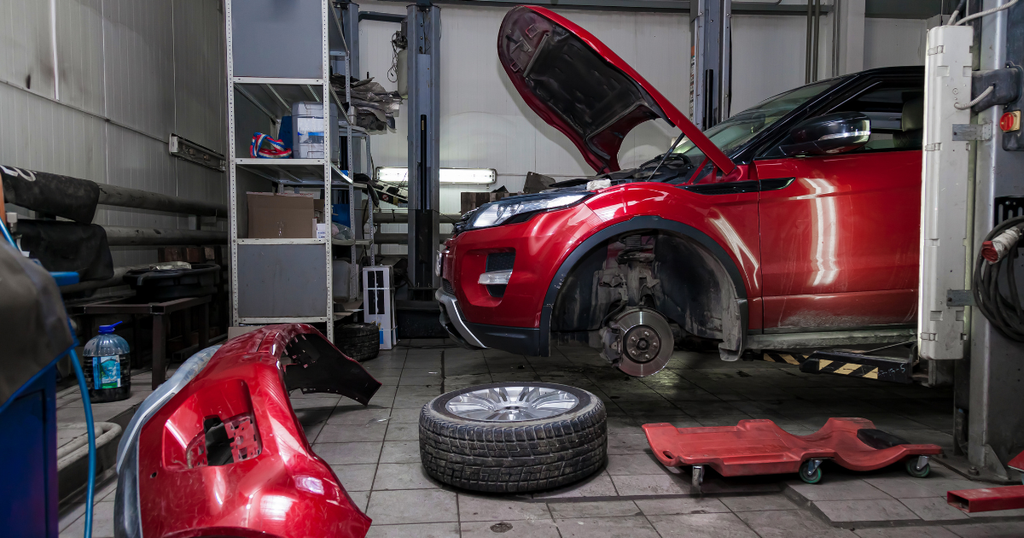
Before buying a used car, do not rely on the mileage reading alone. Start by reviewing the vehicle’s service history to see whether regular maintenance and necessary repairs have been carried out. You should also check the condition of important components such as the engine, transmission, brakes and tyres, and look for signs of wear that may not seem consistent with the claimed mileage. A test drive can help you notice unusual noises, braking issues, steering problems or other concerns that may not be obvious when the car is parked. If you are unsure about the vehicle’s condition, a professional Pre-Purchase Inspection can provide a more detailed assessment before you make the purchase. This can help you understand the actual condition of the car and identify potential issues that may lead to unexpected repair costs later.
FAQ Section
Is 100,000 km too much for a used car?
Not necessarily. A car with 100,000 km can still be a good choice if it has been properly maintained and is in good overall condition.
Is lower mileage always better when buying a used car?
No. Lower mileage can be beneficial, but service history, driving conditions and the vehicle’s overall condition are also important.
How many kilometres per year is normal for a car?
The previous article uses around 10,000–15,000 km per year as a general reference, but the vehicle’s age and usage should also be considered.
Does highway driving cause less wear than city driving?
Generally, highway driving involves less stop-and-go traffic, while frequent city driving can place more stress on brakes and other components.
How can I check if a car’s mileage is genuine?
Compare the odometer reading with the vehicle’s service records, maintenance history and overall condition to look for inconsistencies.
Final Takeaway
Mileage is an important part of evaluating a used car, but it should never be the only consideration when making a purchase. A vehicle’s age, service history, driving conditions and overall condition can all provide important context behind the mileage shown on the odometer. A well-maintained car with higher mileage may be a more sensible choice than a low-mileage vehicle with a poor maintenance history, so buyers should look at the complete picture before deciding. If you need help assessing a used vehicle before purchase, you can contact Motoserv to learn more about the available services and get professional assistance.