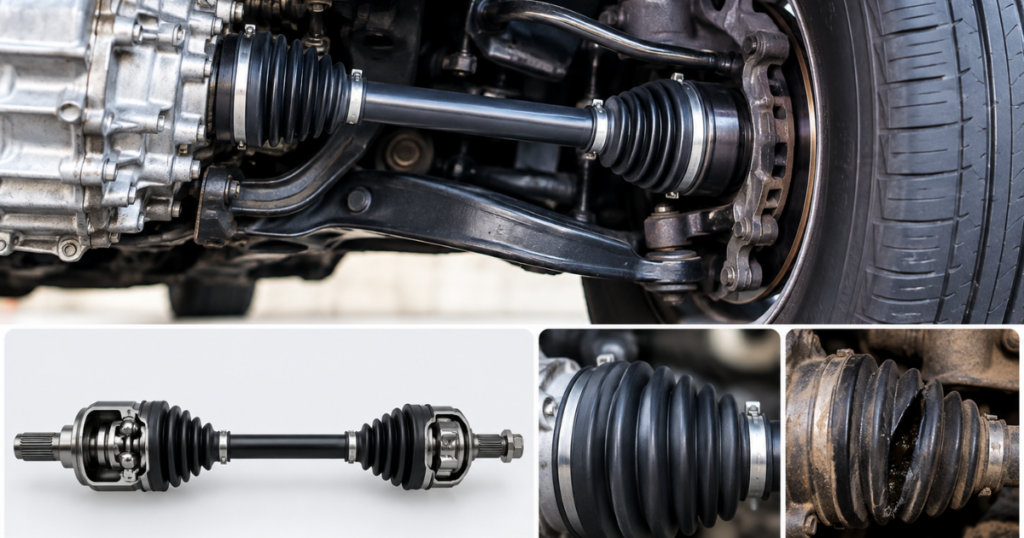
A CV (constant velocity) axle transfers power from the transmission to the driven wheels while allowing the wheels to move with the suspension and steering. It typically has an inner CV joint, which works closer to the transmission and accommodates suspension movement, and an outer CV joint, which operates near the wheel and allows smooth power delivery while the wheels turn. Both joints are protected by a flexible rubber CV boot that holds grease inside and helps keep dirt, water and other contaminants away from the joint. If the boot becomes torn or damaged, grease can escape and contamination can enter, increasing the risk of joint wear and eventually leading to symptoms such as clicking or vibration.
Common Signs of a Bad CV Axle or Joint
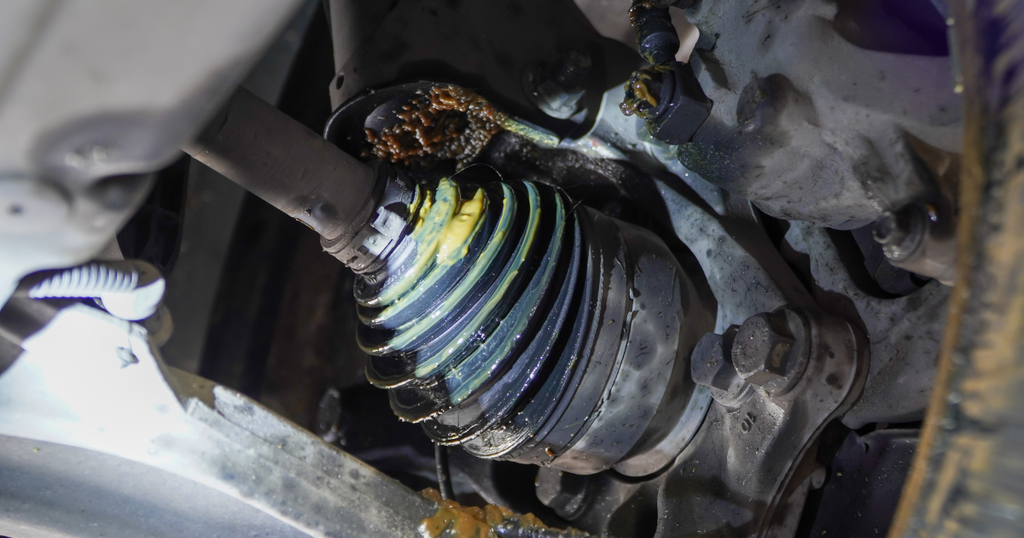
One of the most common signs of a worn CV joint is a repeated clicking or popping noise when making a sharp turn, such as during a U-turn or while manoeuvring into a parking space. You may also notice vibration or shuddering during acceleration, particularly if the inner CV joint is affected. A damaged CV boot can allow grease to leak out, leaving dark grease around the inside of the wheel or nearby suspension components, while excessive wear in the joint may eventually cause clunking or unusual movement when accelerating, decelerating or changing direction. As these symptoms can also be linked to other steering, suspension or drivetrain issues, a proper inspection is the best way to identify the source of the problem
What Causes CV Axle and Joint Problems?
CV axle and joint problems usually develop gradually as the components experience wear or lose proper protection. A torn or damaged CV boot is one of the most common causes because it can allow grease to escape while letting dirt, water and road debris reach the joint. Once the grease becomes insufficient or contaminated, the joint can no longer operate as smoothly and wear can accelerate. Normal wear and higher mileage can also affect the joint over time, while rough roads, potholes, frequent driving over uneven surfaces and repeated suspension movement can place additional stress on the axle and its joints. Identifying these issues early can help prevent minor boot or lubrication problems from developing into a more costly CV axle replacement.
How Can You Tell If the CV Joint Is Failing?
A failing CV joint can often be identified by paying attention to when the noise or vibration occurs. A repeated clicking or popping sound that becomes more noticeable when making tight turns, such as a U-turn or turning into a parking space, is a common indication of an outer CV joint problem. Vibration or shuddering that becomes noticeable during acceleration can also point to an issue with the CV axle or inner CV joint, while grease around the inside of the wheel may indicate a damaged CV boot. These observations can help identify a possible CV joint problem, but they are not enough to confirm the exact cause because similar noises or vibrations can come from other drivetrain, steering or suspension components. A professional inspection can check the CV joints, boots and surrounding components to determine whether repair or CV axle replacement is actually required.
CV Boot Repair vs CV Axle Replacement
A damaged CV boot does not always mean the entire CV axle needs to be replaced. If the boot is torn or cracked but the CV joint is still in good condition, replacing the boot and renewing the grease can often protect the joint and prevent further damage. However, if the joint has already suffered significant wear, contamination or internal damage, a complete CV axle replacement may be the more reliable repair. Persistent clicking during turns is particularly important because it can indicate that the joint has already worn beyond what a simple boot replacement can correct. The final decision should be based on an inspection of the boot, joint and axle condition, along with the vehicle’s mileage, age and parts availability. This approach helps avoid replacing the entire axle unnecessarily while ensuring that a worn or damaged component is properly addressed.
How Much Does CV Axle Replacement Cost?
The cost of CV axle replacement can vary significantly depending on the vehicle and the parts required for the repair. The vehicle’s make and model is one of the main factors, as some axles are more expensive or less readily available than others. The choice between an OEM, aftermarket or reconditioned axle can also affect the overall price, with the most suitable option depending on the vehicle’s age, condition and parts availability. Labour charges are another part of the total cost, while additional repairs may be needed if the inspection finds a damaged CV boot, worn joint or related drivetrain component. For this reason, a proper inspection and quotation are important before proceeding, rather than relying on a fixed price for every vehicle.
What Happens During CV Axle Replacement?
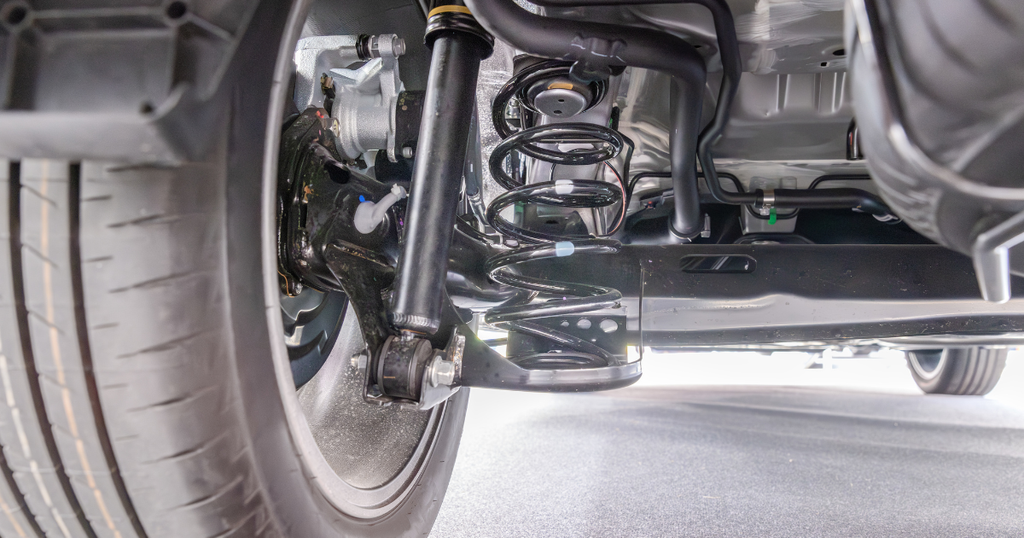
CV axle replacement begins with an inspection to confirm that the axle or CV joint is actually the source of the problem and to check the condition of the surrounding components. Once replacement is confirmed, the damaged axle is carefully removed and the mounting areas are checked before the replacement part is installed securely. After installation, the technician checks the axle, joints and related components to ensure everything is correctly fitted and operating as expected. The vehicle is then road tested to confirm that the previous noise, vibration or other drivetrain issue has been addressed and that the car performs normally after the repair. This step-by-step process helps ensure that a CV axle replacement is not only completed correctly but also properly checked before the vehicle is returned to the customer.
Can You Drive With a Bad CV Joint?
Driving with a bad CV joint is not something that should be ignored, even if the vehicle still feels driveable. If the problem is limited to a torn CV boot and the joint has not yet been damaged, early repair may prevent the need for a complete CV axle replacement. Once the joint itself has developed significant wear, however, continued driving can allow the damage to worsen and may eventually affect the vehicle’s ability to transfer power smoothly to the wheels. A vehicle should be inspected as soon as possible if there is persistent clicking, strong vibration, unusual clunking, visible grease leakage or a noticeable change in how the vehicle responds while driving. If the symptoms become severe or the vehicle feels unsafe or difficult to control, it is better to stop driving and arrange professional assistance rather than risk further damage or a roadside breakdown.
How to Prevent CV Axle Problems
Preventing CV axle problems starts with regular inspections, particularly checking the CV boots for cracks, tears or signs of grease leakage before the joint itself becomes damaged. Addressing a damaged boot early can help protect the joint from dirt and contamination and may avoid the need for a complete CV axle replacement. Drivers should also pay attention to any new clicking, vibration or unusual movement and have the vehicle checked rather than continuing to drive until the problem becomes more serious. Regular professional servicing allows the CV axle, joints and boots to be assessed as part of the vehicle’s overall maintenance, helping identify wear early and keep the drivetrain operating reliably.
Conclusion
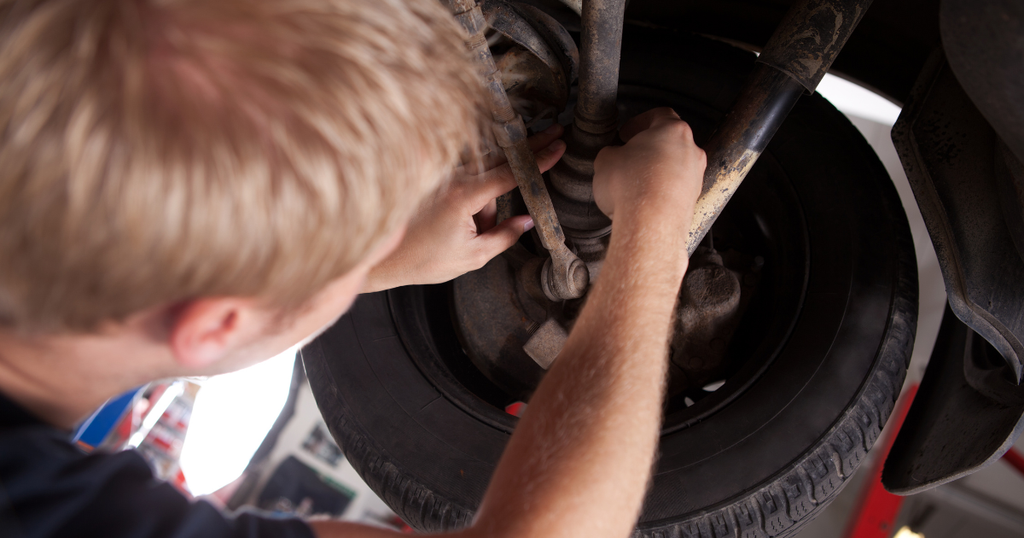
A clicking noise when turning may seem minor at first, but it can be an early sign of CV joint wear or damage that should not be left unchecked. A damaged CV boot may sometimes be repaired before the joint is affected, while a worn joint may require complete CV axle replacement. Having the vehicle inspected early can help identify the actual cause, prevent further damage and potentially avoid a more expensive repair later. If your vehicle is showing clicking, vibration or other signs of a CV axle or joint problem, MotoServ can inspect the affected components and recommend the appropriate repair based on the vehicle’s condition. Contact MotoServ to arrange a professional inspection and keep your vehicle safe and reliable on Singapore roads.