
There are few things more uncomfortable for a Singapore driver than being stuck in traffic on a sweltering afternoon, only to find your air conditioner is blowing warm air. Immediately, the worries begin: is this a simple fix or a major, expensive repair? The thought of a complex issue with your car aircon can be stressful, especially when you’re concerned about finding a reliable workshop that offers transparent pricing for the work needed.

Before you assume the worst, this comprehensive troubleshooting guide is designed to give you peace of mind. We will walk you through the likely reasons your aircon isn’t cold—from simple checks you can perform yourself to signs that indicate a professional diagnosis is needed. Our expert advice will empower you to understand the potential problem, speak confidently with a mechanic, and make an informed decision, helping you get back to a cool and comfortable drive without unnecessary worry or cost.
How Your Car’s Air Conditioning System Actually Works
In Singapore’s relentless heat and humidity, a functional car air conditioning system isn’t a luxury—it’s essential. But how does it turn a sweltering cabin into a cool oasis? Think of your car aircon like a refrigerator for your vehicle. Its primary job is not to create cold air, but to expertly move heat from inside your car to the outside, using a special substance called refrigerant. This closed-loop system is vital for both comfort and safety, as it also helps to dehumidify the air and clear foggy windscreens quickly.
The 5 Key Components of Your Car Aircon
To understand the cooling process, it helps to know the main players. Your car’s air conditioning is a team of five core components working in perfect harmony:
- Compressor: Often called the ‘heart’ of the system, it pressurises the refrigerant gas, getting it ready to circulate.
- Condenser: Located at the front of your car, this acts like a radiator, allowing the hot, high-pressure refrigerant to release its heat into the outside air.
- Receiver/Drier: This component acts as a filter, removing moisture and contaminants from the refrigerant to prevent damage to the system.
- Expansion Valve: A crucial regulator that controls the flow of refrigerant, causing a rapid drop in pressure and temperature before it enters the cabin.
- Evaporator: This is the ‘chiller’ unit located inside your car’s dashboard. It absorbs heat from the cabin air as the cold refrigerant passes through it.
The Cooling Cycle: A Step-by-Step Explanation
The magic of cooling happens in a continuous cycle. The compressor pressurises the refrigerant into a hot gas, which flows to the condenser to cool down and turn into a liquid. After being filtered by the receiver/drier, this liquid refrigerant moves to the expansion valve, where its pressure drops dramatically, making it intensely cold. This cold, low-pressure liquid then enters the evaporator. As your car’s fan blows cabin air over the evaporator’s fins, the refrigerant absorbs the heat, boils, and turns back into a gas. This process is what produces the cold air you feel. This continuous cycle is a fascinating process, and you can learn more about the intricate details of how car air conditioning works on a technical level. The now-gaseous refrigerant then returns to the compressor to start the journey all over again. It’s a delicate balance, and if any single component fails, the entire system’s performance suffers.
Common Symptoms & Causes: Why Your Car Aircon is Not Cold
In Singapore’s relentless heat, a failing car aircon is more than an inconvenience—it’s one of the most common and frustrating issues drivers face. Understanding the symptoms can help you identify the potential cause. This guide breaks down the common problems based on what you can see, feel, and hear. While these signs point to likely issues, only a professional diagnosis can provide a certain solution.
Symptom 1: Air Blows From Vents, But It’s Warm or Lukewarm
This is the most frequent complaint we hear. When the fan works but the air isn’t cold, it almost always points to an issue within the cooling mechanism itself. The number one cause is a low refrigerant level, which is typically the result of a leak somewhere in the system. Refrigerant is the lifeblood of your aircon, and without the correct amount, it cannot effectively remove heat from the cabin. To understand its crucial role, it helps to know how a car’s AC system works to transfer heat. Other potential causes include:
- A failing compressor clutch: The clutch engages the compressor, and if it fails, the cooling cycle won’t start.
- A faulty blend door actuator: This part controls the flow of hot and cold air; if it’s stuck on “hot,” you won’t get cool air.
Symptom 2: Weak or No Airflow From Vents
If you can hear the system working but feel very little air coming out of the vents, the problem is likely a blockage. Even if the air is being chilled correctly, it can’t reach you. The most common culprit is a dirty and clogged cabin air filter, which is designed to trap dust and pollutants. Over time, it gets so full that it severely restricts airflow. Other possibilities include a failing blower motor or, in more serious cases, mould and debris buildup on the evaporator core itself.
Symptom 3: Strange Noises When The Aircon is On
Unusual noises from your aircon system should never be ignored as they often signal a mechanical failure that can worsen quickly. Pay attention to the type of sound:
- A grinding or rumbling sound: This often indicates that the compressor is failing. Continuing to run it could cause catastrophic failure and spread metal fragments throughout the system, leading to a much more expensive repair.
- A high-pitched squealing noise: This usually points to a worn-out serpentine belt or a failing bearing in one of the pulleys.
We strongly advise having any strange noises inspected by a professional immediately to prevent further damage.
Symptom 4: Musty or Unpleasant Odour from Vents
A foul, musty smell when you turn on the aircon is a clear sign of mould or bacteria. In Singapore’s humid climate, moisture can collect on the evaporator core inside your dashboard, creating the perfect breeding ground for mildew. A dirty cabin air filter can also trap moisture and contribute to bad smells. This not only makes for an unpleasant drive but can also affect air quality inside your vehicle.
What You Can Safely Check Yourself Before Visiting a Workshop
Before you book an appointment, there are several simple and safe checks you can perform at home. This preliminary diagnosis not only empowers you as a car owner but also provides our professional mechanics with valuable information, leading to a faster and more accurate repair. Please remember, these steps are for observation only and are not a substitute for an expert inspection.
Step 1: Perform a Basic Visual Inspection
With your car parked safely and the handbrake engaged, start the engine and turn the AC on to its maximum setting. Carefully observe the following from outside the vehicle:
- Compressor Clutch: Look at the front of the AC compressor pulley in the engine bay. When the AC is on, you should hear a distinct “click” and see the centrepiece of the pulley start spinning along with the outer belt. If it doesn’t engage, there could be an electrical issue or a refrigerant problem.
- Condenser Obstructions: The condenser looks like a small radiator and is usually located at the very front of your car. Check if its fins are blocked by leaves, plastic bags, or caked-on dirt. A blocked condenser cannot release heat effectively, which is crucial for the cooling process.
- Cooling Fans: The electric cooling fans behind the radiator should turn on shortly after the AC is activated. If they don’t, the car aircon system will struggle to cool down, especially when you are stationary or driving slowly.
Important Safety Note: The engine bay contains hot surfaces and moving parts. Do not touch anything while the engine is running. AC systems contain high-pressure refrigerant and should only be serviced by certified technicians.
Step 2: Check Your Cabin Air Filter
The cabin air filter cleans the air that enters your car’s interior. Over time, it gets clogged with dust, pollen, and other debris. A severely blocked filter can drastically reduce airflow from the vents, making it feel like your AC is weak or not working, even when the system is producing cold air. You can usually find the filter behind the glove compartment. If it looks dark grey or is filled with debris, it needs replacing.
Step 3: Note the Symptoms for Your Mechanic
Providing clear and specific information is one of the most helpful things you can do. Before visiting our workshop, take a moment to note the exact nature of the problem. This information is a crucial starting point for our technicians, saving diagnostic time. Consider these questions:
- When did you first notice the issue? Did it stop working suddenly or get weaker over time?
- Does the problem happen constantly, or only when idling, driving at high speeds, or on hot days?
- Are there any strange noises (hissing, grinding, clicking) when the AC is on?
The Professional Repair Process: What to Expect at the Workshop
When your car’s air conditioning fails, stepping into a workshop can feel daunting. We believe in a transparent process, so you know exactly what to expect. While DIY recharge kits from a store might seem tempting, they pose significant risks, such as overcharging the system or using the wrong type of refrigerant, which can lead to costly damage. A modern car aircon system is a complex network that requires specialised tools and expert knowledge for an accurate and safe repair.
Our experienced mechanics follow a methodical, multi-stage process to ensure your vehicle is handled with professional care from start to finish.
Stage 1: Accurate Diagnosis with Specialised Equipment
Guesswork has no place in professional car repair. Our first step is always a thorough and precise diagnosis to pinpoint the exact cause of the problem. This involves:
- Pressure Testing: Technicians connect a manifold gauge set to your system’s service ports to read the high-side and low-side pressures. These readings are crucial for identifying issues like blockages or a failing compressor.
- Leak Detection: We use professional methods like injecting a UV dye into the system or using a sensitive electronic leak detector (‘sniffer’) to find even the smallest refrigerant leaks in hoses, seals, or components.
- Electrical Checks: We test the entire electrical circuit, including sensors, switches, the compressor clutch, and cooling fans, to rule out any electrical faults.
Stage 2: Common Professional Aircon Services
Once diagnosed, our certified technicians will recommend the most appropriate service. Common professional repairs include:
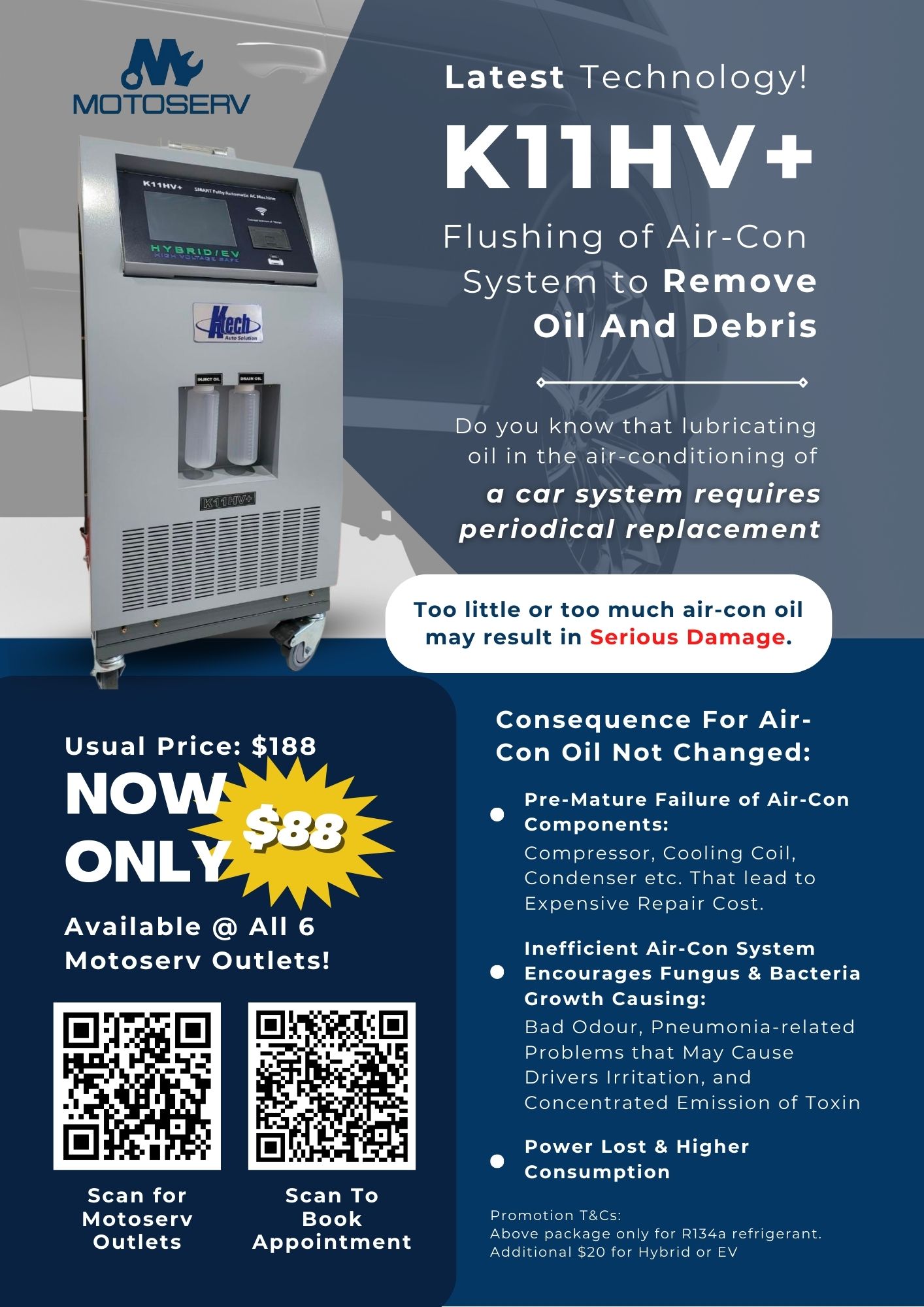
- Refrigerant Evacuation and Recharge: We safely remove all old refrigerant and oil, create a deep vacuum to boil off any moisture, and then recharge the system with the exact amount of manufacturer-specified refrigerant.
- Component Replacement: From replacing a worn-out compressor—the heart of the car aircon system—to fitting new condensers or receiver driers, we use quality parts to ensure reliability.
- Anti-Bacterial Treatment: To eliminate musty odours, we perform a safe treatment that cleanses the evaporator core, removing mould and bacteria buildup.
Stage 3: Testing and Quality Check
After any repair, our job isn’t finished until we verify the results. We conduct a final performance test, measuring the air temperature at the vents and re-checking system pressures to confirm that your aircon is blowing cold and operating efficiently. This quality check ensures the problem is fixed correctly the first time, saving you time and frustration.
Don’t guess with your comfort, especially in Singapore’s heat. Entrust your vehicle to our experts for a reliable solution. Book a professional aircon check.
Why Entrust Your Car Aircon to Motoserv’s Mr Kool Experts
After troubleshooting the common issues that cause a car’s air conditioning to fail, you understand that the problem can range from a simple refrigerant top-up to a complex electrical fault. Instead of relying on guesswork that can lead to costly and ineffective fixes, entrusting your vehicle to a specialist ensures a fast and accurate resolution. At Motoserv, our Mr Kool experts are dedicated to restoring your comfort with professional, reliable, and transparent service for your vehicle.
CASETRUST Accredited for Transparent and Fair Pricing
We understand that one of the biggest worries for car owners is unexpected costs and the fear of being overcharged. As a CASETRUST accredited workshop, we are committed to fair business practices. This means you receive a clear, itemised quote before any work begins, with our team explaining every recommended service in detail. Our promise is to provide honest recommendations based on a thorough diagnosis, never upselling unnecessary repairs. You can be confident that you are only paying for the work your car truly needs.
IMI (UK) Certified Technicians and Specialised Tools
A general workshop may not have the specific knowledge to diagnose modern, complex aircon systems. Our technicians are IMI (UK) certified, holding internationally recognised qualifications that prove their expertise. We pair this human skill with the latest diagnostic tools designed specifically for automotive air conditioning. This powerful combination ensures we can accurately pinpoint the root cause of your faulty car aircon—whether it’s a tiny refrigerant leak, a failing compressor, or an electrical sensor fault—and perform an effective, lasting repair the first time.
Islandwide Convenience with 9 Specialist Outlets
A malfunctioning aircon is an urgent problem, especially in Singapore’s heat. That’s why we’ve made accessing expert care as convenient as possible. With 9 specialist outlets across the island, professional help is always nearby.
- Islandwide Coverage: Find us in key locations across the North, South, East, and West.
- Consistent Quality: Expect the same high standard of service and expertise at every Motoserv branch.
- Easy Booking: Secure your appointment online in just a few clicks to minimise your downtime.
Don’t let a faulty aircon disrupt your drive. Choose the peace of mind that comes with certified experts, transparent pricing, and unparalleled convenience. Book your appointment with Motoserv’s Mr Kool experts today and experience the difference.
Your Solution for a Cool & Comfortable Drive in Singapore
Navigating the tropical heat with a faulty air conditioner is a challenge no driver should have to endure. While you can perform basic checks on your own, such as inspecting the cabin air filter, most cooling issues stem from more complex problems like refrigerant leaks, a failing compressor, or electrical faults. Attempting a DIY fix on these components can often lead to more extensive and costly damage.
Instead of guessing, entrust your vehicle to a team of dedicated professionals. As Singapore’s leading car aircon specialist, Motoserv provides reliable diagnostics and expert repairs. Our IMI (UK) Certified Technicians across 9 island-wide outlets use state-of-the-art equipment to pinpoint the exact cause of the problem. As a CASETRUST Accredited workshop, we are committed to transparent pricing and quality service you can depend on.
Don’t sweat it out any longer. Your car aircon not cold? Entrust it to our experts for a professional diagnosis.
Restore your cool comfort and drive with confidence knowing your vehicle is in the best hands.
Frequently Asked Questions About Car Aircon Issues
How much does a car aircon check cost in Singapore?
A basic car aircon diagnostic check in Singapore typically ranges from S$40 to S$80. This professional inspection is designed to accurately identify the root cause of any cooling issues. At Motoserv, we provide transparent pricing for a thorough check that includes examining refrigerant pressure, inspecting key components like the compressor and condenser for leaks or damage, and assessing overall system performance. This ensures you receive an honest and accurate quote for any necessary repairs.
Is it safe to use a DIY car aircon recharge kit from a store?
We strongly advise against using DIY recharge kits. While they may seem like a quick fix, they can cause significant damage. Overcharging the system, using the wrong type of refrigerant, or introducing moisture can lead to costly compressor failure. More importantly, these kits do not fix the underlying leak, which is the most common reason for low refrigerant. Entrust your vehicle to our experienced mechanics for a safe and effective solution that addresses the actual problem.
How often should I service my car’s air conditioning system?
For optimal performance and to prevent major repairs, we recommend a professional car aircon service every 12 to 24 months. Regular servicing is crucial in Singapore’s climate. It involves cleaning components, checking for leaks, and ensuring the refrigerant is at the correct level. This preventative maintenance not only keeps your aircon blowing cold but also extends the lifespan of the entire system, saving you money on future repairs and ensuring a comfortable drive.
Why does my car aircon work intermittently (sometimes cold, sometimes not)?
Intermittent cooling is often a symptom of an underlying issue. Common causes include a slow refrigerant leak, a failing compressor clutch that isn’t engaging properly, or an electrical fault with a sensor or relay. The system may cool down initially but stop as components overheat or pressure levels fluctuate. A professional diagnosis is needed to pinpoint the exact cause, as ignoring it can lead to more widespread and expensive damage to your car aircon system.
Can a faulty car aircon system affect my fuel consumption?
Yes, a faulty air conditioning system can definitely increase your fuel consumption. The aircon compressor draws power directly from the engine. If the system is inefficient due to low refrigerant or a failing part, the compressor must work harder and cycle more frequently to cool the cabin. This extra load on the engine forces it to burn more fuel, reducing your overall mileage. Keeping your aircon in good health is key to maintaining fuel efficiency.
Yes, many core principles overlap. Complex systems, whether for automotive cooling or residential heating, rely on pressure, fluid dynamics, and electrical controls. The need for professional diagnosis, leak detection, and specialized component replacement is universal. For example, those looking to understand issues in home climate systems can explore Hydronic System Repairs and see similar diagnostic approaches applied in a different context.
Are the repair principles for car aircon similar to other climate systems?
What is the difference between a car aircon service and a repair?
A car aircon service is preventative maintenance performed on a working system to keep it running efficiently. This includes tasks like cleaning filters, topping up refrigerant, and inspecting for potential wear. A repair, on the other hand, is performed to fix a specific problem after the system has already failed. This involves diagnosing the fault and replacing broken components, such as a leaking hose, a faulty condenser, or a failed compressor, to restore function.