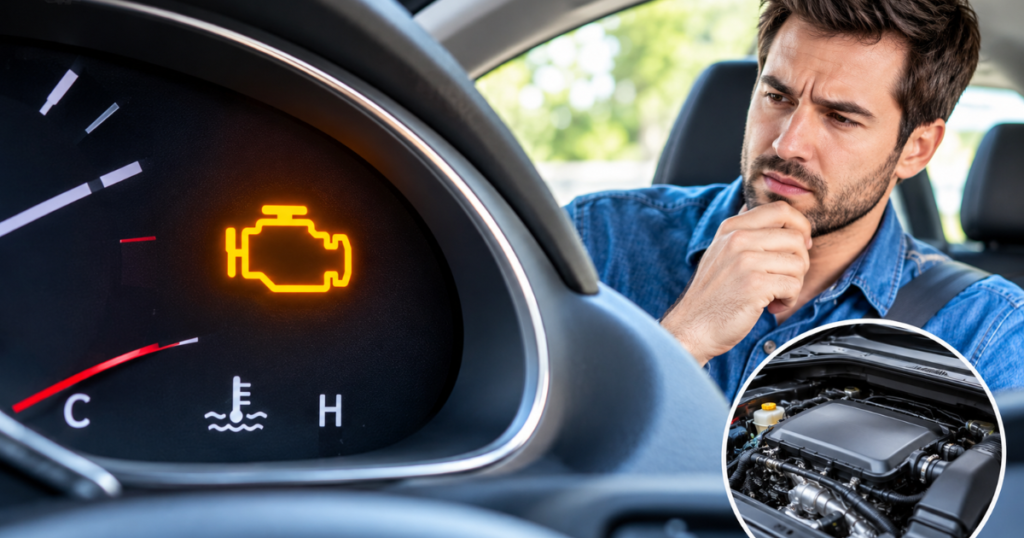
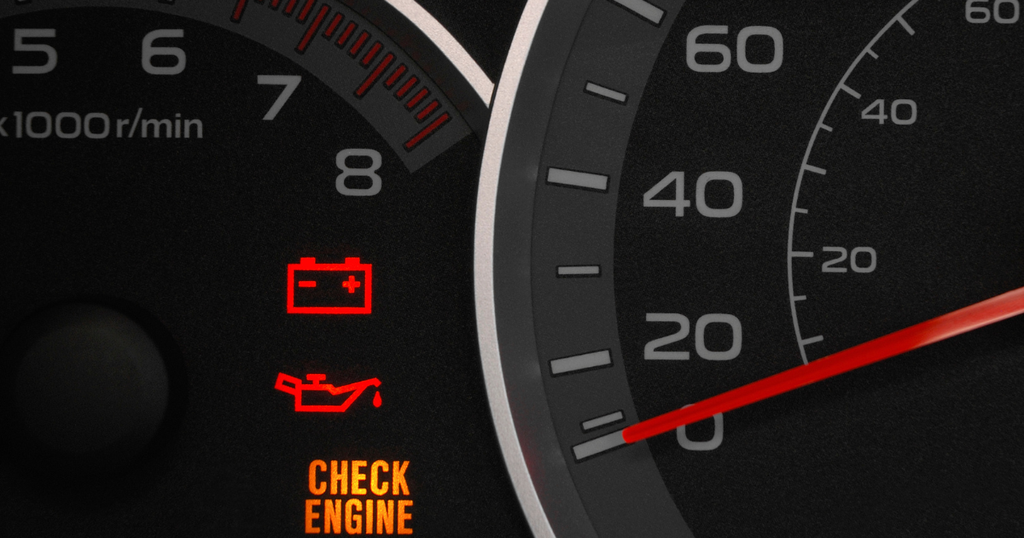
The Check Engine Light is a warning indicator on your dashboard that alerts you when your vehicle’s engine management system detects a problem with the engine, emissions system, or a related component. Modern vehicles use sensors to continuously monitor engine performance, fuel delivery, exhaust emissions, and other operating conditions. When a sensor detects an abnormal reading or the system identifies a fault, the warning light may turn on to alert the driver that the vehicle needs attention. Sometimes the issue may be relatively minor, such as a loose fuel cap, while in other cases it can indicate a more serious problem involving ignition components, faulty sensors, or engine misfires. The light can appear even when your car seems to drive normally, so it should not be ignored simply because you have not noticed a change in performance. Understanding why the warning has appeared and arranging the appropriate diagnosis can help prevent further damage and keep your vehicle operating reliably.
Table of Contents
Common Reasons the Check Engine Light Comes On
The Check Engine Light can come on for several reasons, ranging from a simple issue to a problem that affects engine performance or emissions. A loose or improperly fitted fuel cap is one of the simpler causes because it can allow fuel vapours to escape and affect the vehicle’s evaporative emissions system. Faulty sensors, such as the oxygen sensor or mass airflow sensor, can send incorrect information to the engine control unit, affecting the air-fuel mixture and engine operation. Worn spark plugs or faulty ignition coils can interfere with the combustion process, causing the engine to run unevenly or misfire. An engine misfire occurs when one or more cylinders fail to burn the air-fuel mixture properly, which can lead to rough running, reduced power and increased emissions. The warning may also appear because of emissions system problems, including faults in components that monitor or control exhaust gases. Since several different faults can trigger the same warning light, the cause should be identified through proper diagnosis rather than assuming it is a minor issue.
Steady vs Flashing Check Engine Light
A Check Engine Light can appear as either a steady warning or a flashing warning, and the difference is important. A steady Check Engine Light usually indicates that the vehicle’s engine management system has detected a fault that needs attention, but it does not always mean you must stop immediately. If the car is running normally and there are no other warning signs, you may be able to drive cautiously to a suitable repair facility, while arranging an inspection as soon as possible. A flashing Check Engine Light, however, is more urgent and can indicate an active engine misfire that may allow unburned fuel to enter the exhaust system and damage the catalytic converter. If the light flashes, reduce speed and engine load, pull over somewhere safe and switch off the engine; avoid continuing your journey and arrange professional assistance. Do not treat a flashing warning as equivalent to a steady one.
When Should You Stop Driving?
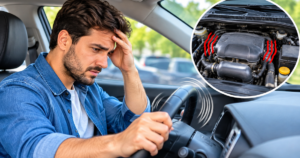
You should stop driving as soon as it is safe if the Check Engine Light is flashing or the vehicle shows signs of a potentially serious mechanical problem. Overheating, such as a rising temperature gauge or a temperature warning, can indicate that the engine is getting too hot and continuing to drive may cause serious damage. Severe shaking or vibration may point to an engine misfire or another fault that affects how the engine runs. Smoke, a burning smell or visible fluid leaks should also be treated seriously, particularly if they appear alongside the warning light. Unusual noises, such as knocking, loud rattling or grinding, may indicate a mechanical problem that should not be ignored. You should also stop if the vehicle experiences a sudden loss of power, struggles to accelerate or becomes difficult to control in traffic. Find a safe place to pull over, switch off the engine when appropriate and arrange professional help rather than risking further damage or an unsafe breakdown.
Can You Still Drive With the Check Engine Light On?
Whether you can continue driving depends on whether the Check Engine Light is steady or flashing and how the vehicle behaves. If the light is steady, the engine temperature is normal, and the car is driving smoothly without unusual noises, smoke, shaking or loss of power, you may be able to drive a short distance cautiously to a repair facility. Avoid hard acceleration, high speeds, heavy loads and unnecessary journeys until the cause has been checked. However, if the light is flashing, the engine is overheating, the vehicle is shaking severely, smoke is present, unusual noises develop or power drops significantly, do not continue driving; pull over safely and arrange assistance. Even if the car appears to run normally, a warning light should not be ignored because some faults may not produce obvious symptoms at first. A diagnostic check can help identify the underlying problem and determine whether the vehicle is safe to drive.
How Is a Check Engine Light Problem Diagnosed?
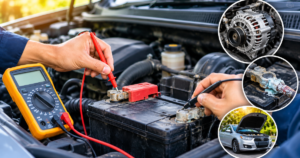
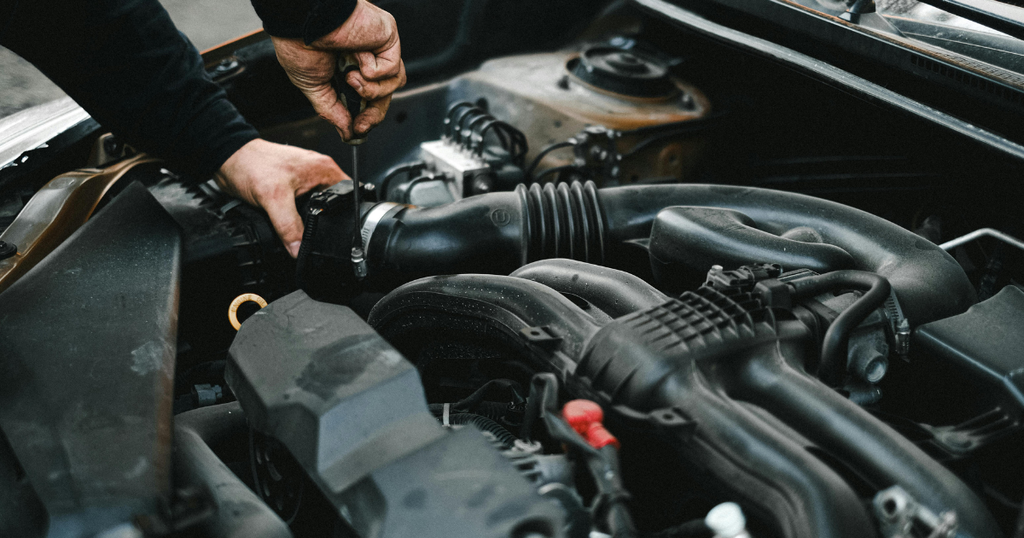
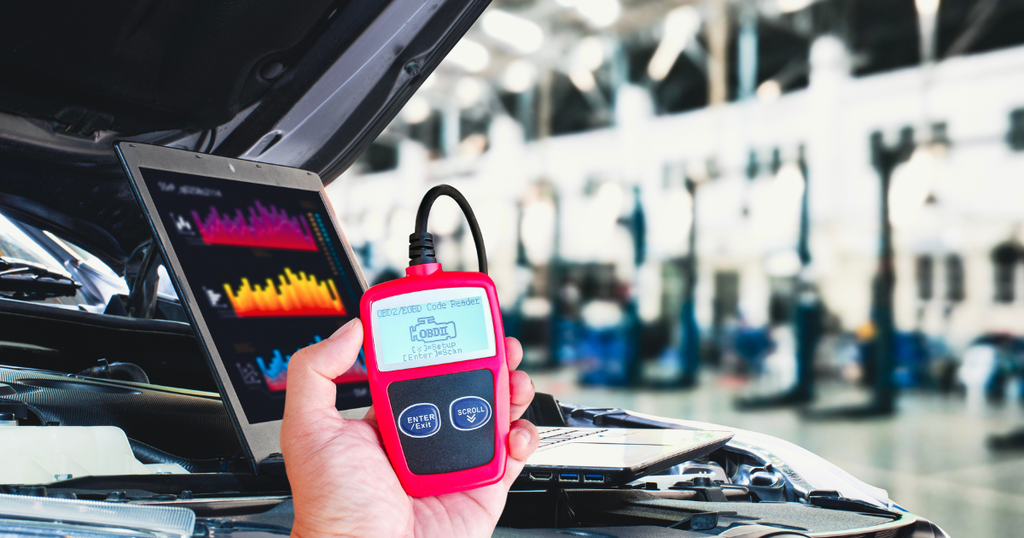
When the Check Engine Light comes on, the first step is to identify what has triggered the warning rather than replacing parts based on guesswork. A mechanic typically connects a professional OBD-II diagnostic scanner to the vehicle’s onboard diagnostic system to retrieve stored fault codes. These codes help identify the system or component reporting an issue, such as the ignition, fuel delivery, sensors or emissions control system. However, a fault code does not always mean that the named component is faulty; it provides a starting point for further investigation. A professional inspection may include checking relevant wiring and connections, examining engine components, reviewing live sensor readings and carrying out additional tests to confirm the root cause. This is where Motoserv’s Service & Maintenance Solution can be relevant, as professional vehicle servicing and inspection help identify underlying faults, avoid unnecessary repairs and ensure the correct problem is addressed.
Frequently Asked Questions
Why is my Check Engine Light on but the car runs normally?
Some faults affect emissions or sensor readings without causing noticeable changes in driving performance. A diagnostic scan can help identify the underlying issue.
Can a loose fuel cap turn on the light?
Yes. A loose, damaged or improperly sealed fuel cap can allow fuel vapours to escape and trigger the Check Engine Light.
Does the Check Engine Light turn off by itself?
It may turn off once the problem is corrected and the system confirms normal operation, but some faults remain stored in the vehicle’s computer. If the light returns, arrange a diagnostic check.
What does a flashing Check Engine Light mean?
A flashing light can indicate an active engine misfire that may damage the catalytic converter. Reduce engine load, stop safely and arrange professional assistance.
Can I drive with the Check Engine Light on?
You may be able to drive a short distance if the light is steady and the car operates normally. Do not continue driving if it flashes or you notice overheating, severe shaking, smoke or significant power loss.
Get Your Car Inspected by Motoserv
A Check Engine Light is your vehicle’s way of warning you that something may not be working as expected. While the cause can sometimes be minor, ignoring the warning may allow an underlying fault to develop into a more serious and expensive problem. Identifying the cause through proper diagnostic testing is the best way to determine what needs attention and whether your vehicle is safe to drive. Motoserv provides car servicing, diagnostics and repair support for petrol, hybrid and other vehicle types, helping drivers address mechanical issues and maintain reliable performance. If your Check Engine Light is on, contact Motoserv to discuss your vehicle and arrange a professional inspection.