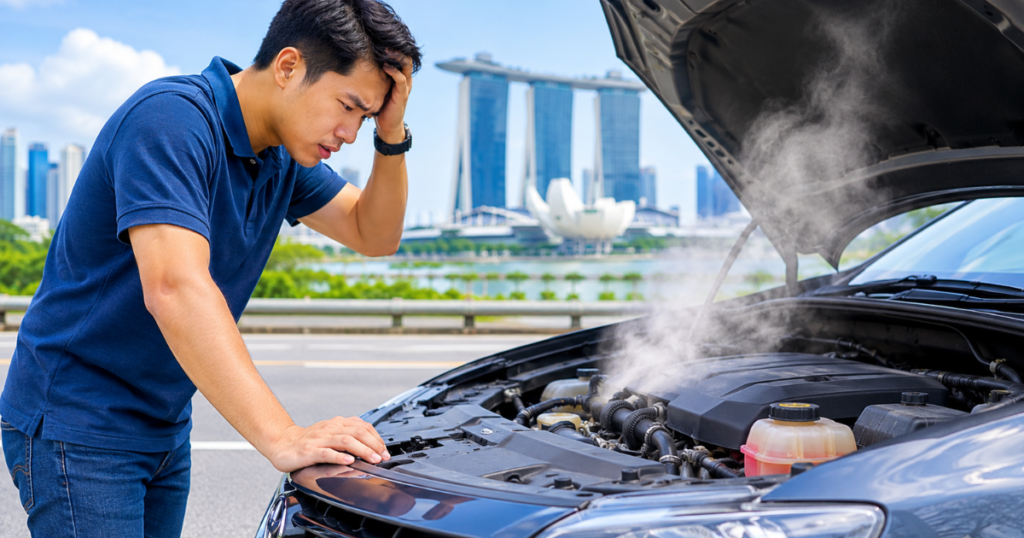
Car engine overheating is a problem that Singapore drivers should never ignore, as it can affect vehicle performance and lead to serious engine damage if not addressed promptly. Frequent stop-start traffic, hot weather and problems within the cooling system can contribute to rising engine temperatures. Drivers may notice warning lights, a rising temperature gauge, steam from the engine bay or unusual smells while driving. Understanding why engines overheat, recognising the early warning signs and knowing what steps to take can help drivers respond safely and avoid further damage. This guide explains the common causes of engine overheating in Singapore, what to do when it happens and how regular maintenance can help keep your vehicle in good condition.
Table of Contents
What Is Engine Overheating and Why Does It Happen?
Engine overheating occurs when the engine temperature rises above its normal operating range because the cooling system cannot remove heat effectively. During normal operation, the engine produces heat that must be controlled to protect its internal components and maintain reliable performance. The cooling system manages this process by circulating coolant through the engine, where it absorbs excess heat before passing through the radiator, which releases the heat into the surrounding air. The water pump maintains coolant circulation, while the thermostat regulates its flow according to engine temperature, and the cooling fan helps maintain airflow when the vehicle is stationary or moving slowly. In Singapore, frequent stop-start traffic, prolonged idling and hot weather can place additional demands on the cooling system, particularly when components are worn, coolant levels are low or airflow is restricted. If the system cannot regulate the temperature properly, the engine may overheat and require prompt attention.
Common Warning Signs of an Overheating Engine
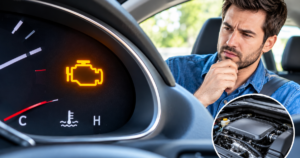
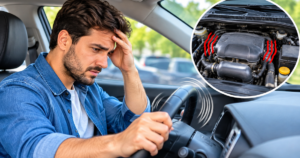
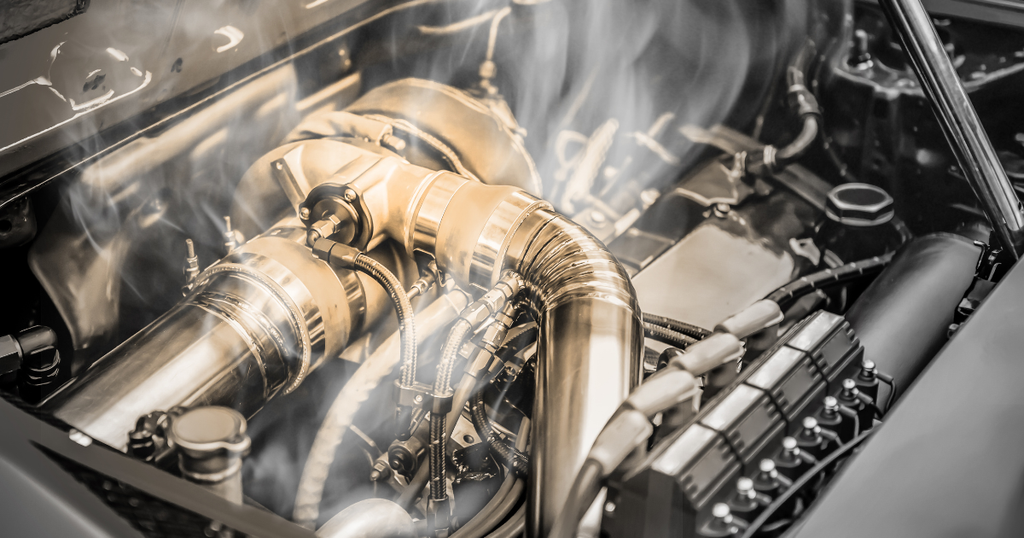
An overheating engine often gives several warning signs before the problem becomes severe, and recognising them early can help prevent costly repairs. One of the most noticeable signs is a rising temperature gauge, which indicates that the engine is operating above its normal temperature range and may not be cooling effectively. The dashboard may also display an engine temperature warning light, alerting the driver that immediate attention is required. In more serious situations, steam may appear from the engine bay, often indicating that coolant is boiling or escaping from a leak in the cooling system. Drivers may also notice an unusual sweet or chemical-like coolant smell, which can suggest leaking coolant coming into contact with hot engine components. Another warning sign is reduced engine performance, as excessive heat can affect engine efficiency, cause sluggish acceleration, and reduce overall power. If any of these symptoms appear, drivers should stop safely and investigate the issue rather than continuing to drive with an overheating engine.
Common Causes of Car Engine Overheating
Several mechanical and cooling system problems can prevent an engine from maintaining its normal operating temperature. Low coolant levels or coolant leaks are among the common causes because insufficient coolant reduces the system’s ability to absorb and transfer heat away from the engine; leaks may develop in the radiator, hoses, water pump, or reservoir. A faulty radiator can also cause overheating if its internal passages become blocked, damaged, or unable to release heat efficiently, while malfunctioning cooling fans may prevent sufficient airflow through the radiator, particularly when driving in slow-moving traffic or idling. Thermostat problems are another possible cause, as a thermostat that remains closed can restrict coolant circulation and prevent the engine from releasing excess heat. A failing water pump can also disrupt coolant circulation because it is responsible for moving coolant between the engine and radiator; damaged impellers, worn bearings, or leaks can affect its performance. Additionally, a blocked cooling system caused by accumulated deposits, rust, contamination, or restricted coolant passages can reduce circulation and heat transfer, allowing engine temperatures to rise beyond the normal operating range. Identifying the specific cause through a proper cooling system inspection is essential to prevent repeated overheating and more serious engine damage.
What Should You Do When Your Car Engine Overheats?
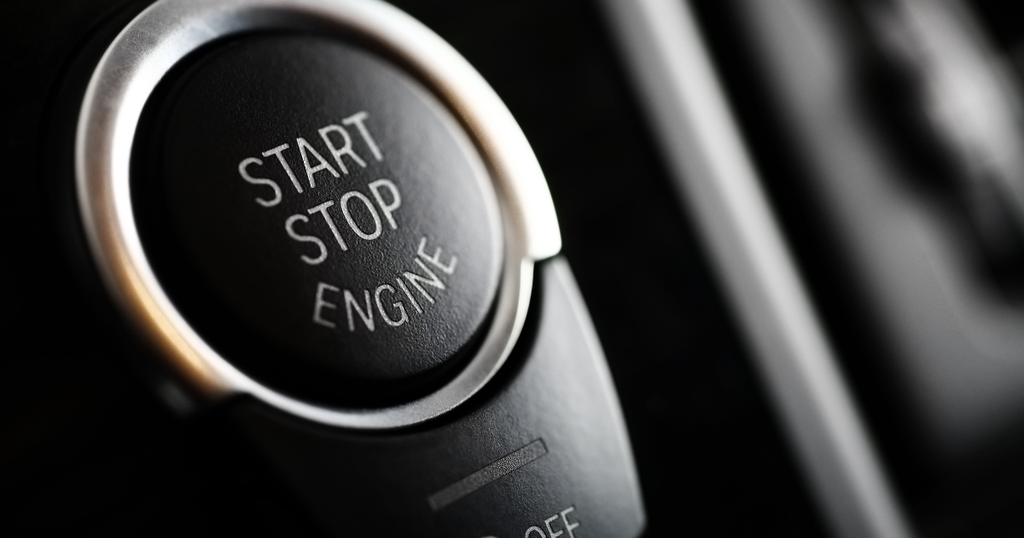
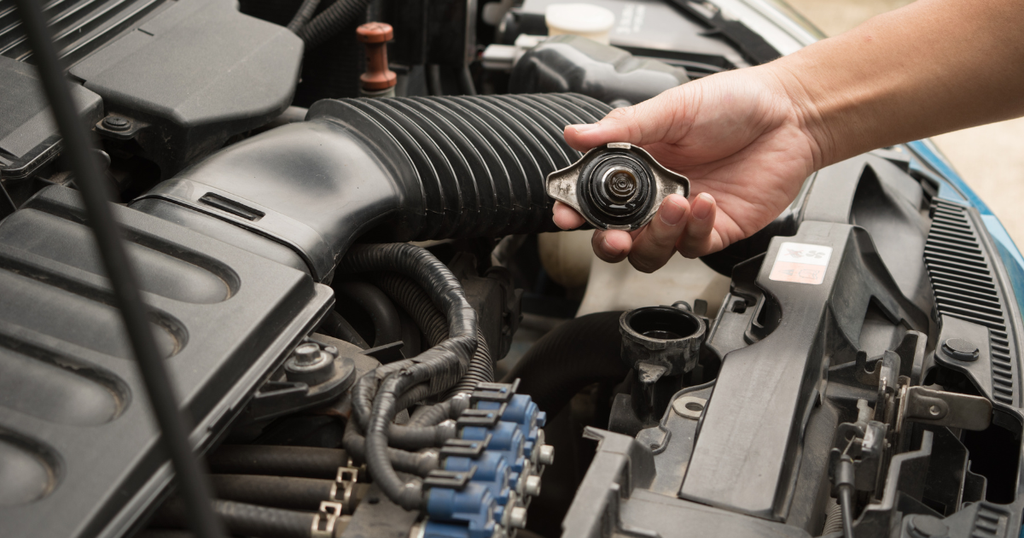
If your car engine starts overheating while driving, taking the right steps immediately can help prevent serious damage and keep you safe. First, switch on your hazard lights, reduce your speed, and carefully move to a safe place away from moving traffic before stopping the vehicle. Once safely parked, switch off the engine, particularly if you notice steam, coolant leaking, or a temperature warning that continues to rise. Allow the engine to cool completely before attempting any inspection, as the cooling system may remain under high pressure even after the engine has stopped. Never open the radiator cap or coolant reservoir cap while the engine is hot, because pressurised coolant or steam can escape suddenly and cause severe burns. Avoid touching hot engine components, radiator hoses, or leaking coolant, and keep your hands away from cooling fans, which may start operating unexpectedly. If you notice a significant coolant leak, persistent overheating, or any other serious problem, arrange professional roadside assistance or towing rather than attempting to continue your journey. For further guidance, follow the Singapore Police Force’s official driving safety guidance on engine overheating.
Can You Continue Driving with an Overheating Engine?
Continuing to drive with an overheating engine is not recommended because excessive heat can damage important engine components, including the cylinder head, head gasket, pistons, and other internal parts. Prolonged overheating can also cause engine oil to lose its ability to lubricate effectively, increasing friction and the risk of serious mechanical failure. Even if the temperature temporarily returns to normal, the underlying problem may still exist and cause the engine to overheat again. If the temperature gauge enters the red zone, a warning light appears, steam comes from under the bonnet, or you notice coolant leaking, stop driving as soon as it is safe and switch off the engine. Towing is necessary when there is a major coolant leak, a damaged water pump or drive belt, persistent overheating, unusual engine noises, or any indication that the engine may have suffered damage. Having the vehicle transported to a professional workshop is much safer and can help prevent a minor cooling system issue from turning into an expensive engine repair.
How Do Mechanics Diagnose Engine Overheating Problems?
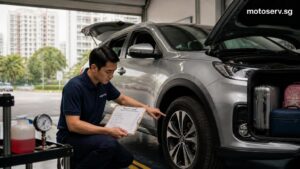
When a car arrives at a workshop with an overheating problem, mechanics begin by inspecting the cooling system to identify damaged, worn, or malfunctioning components that may be affecting temperature regulation. They check the coolant level and condition, radiator, hoses, connections, and expansion tank for visible leaks, corrosion, blockages, or other signs of damage. A coolant pressure test may then be performed to determine whether the system can maintain the required pressure and to help identify leaks that may not be visible during a normal inspection. Mechanics also examine the radiator for restricted coolant flow or poor heat dissipation and check whether the cooling fans operate correctly, particularly when the vehicle is stationary or moving slowly. The thermostat is inspected to ensure it opens at the correct temperature and allows coolant to circulate properly, while the water pump is checked for leakage, worn components, or circulation problems. Depending on the symptoms, mechanics may also use diagnostic equipment to identify temperature sensor faults or other engine-related problems. These checks help establish the actual cause of overheating so that the correct repair can be recommended instead of simply replacing parts without proper diagnosis. For a broader vehicle condition assessment, you can also explore Motoserv’s Pre-COE Renewal Inspection, which includes cooling system checks and diagnostic fault-code inspection.
How to Prevent Your Car Engine from Overheating
Preventing engine overheating starts with regular attention to the cooling system and following the vehicle manufacturer’s recommended maintenance schedule. Check the coolant level periodically when the engine is completely cool and ensure it remains within the recommended markings on the reservoir; also look for discolouration, contamination, or signs of leakage that may indicate a developing problem. Use the correct coolant specified for your vehicle and arrange coolant replacement or system flushing at the recommended service intervals to maintain effective heat transfer and protect internal components from corrosion. Regular maintenance should also include inspecting the radiator, hoses, water pump, thermostat, and cooling fans to identify wear, blockages, or faults before they cause overheating. While driving, pay attention to the temperature gauge and never ignore dashboard temperature warnings, unusual smells, or steam coming from the engine bay. If you frequently drive through Singapore’s stop-and-go traffic or in hot weather, keeping up with cooling system inspections is particularly important because demanding driving conditions can place additional pressure on the engine’s cooling system. Addressing small issues early helps maintain reliable engine performance and reduces the likelihood of unexpected breakdowns and costly repairs.
Frequently Asked Questions About Car Engine Overheating
Why does my car overheat in Singapore traffic?
Frequent stopping, slow-moving traffic, and prolonged idling can reduce airflow through the radiator, making it harder to release engine heat. Faulty cooling fans or low coolant levels can make the problem worse.
Can low coolant cause engine overheating?
Yes, low coolant reduces the cooling system’s ability to absorb and transfer heat away from the engine, potentially causing overheating.
Is it safe to drive after an engine overheats?
No, continuing to drive can cause serious engine damage. Allow the engine to cool and arrange a professional inspection before driving again.
How long should I wait for an overheated engine to cool down?
Generally, allow at least 30–60 minutes, depending on the severity of overheating and surrounding conditions. Never open the radiator cap while the engine is hot.
When should I get my cooling system inspected?
Arrange an inspection if you notice rising temperature readings, coolant leaks, steam, unusual coolant smells, or repeated overheating. Regular inspections also help identify cooling system problems before they become serious.