



Wheel balancing and wheel alignment are important for keeping your car stable, comfortable and predictable on the road. When the wheels are out of balance or alignment, you may notice warning signs such as vibrations while driving, the car pulling to one side, or uneven tyre wear. These issues can affect driving comfort and may lead to faster tyre wear if left unchecked. But how often should you actually have your wheel balancing and alignment checked?
Wheel Balancing vs Wheel Alignment
What Is Wheel Balancing?
Wheel balancing corrects uneven weight distribution between the wheel and tyre, helping them rotate smoothly. When a wheel is out of balance, you may feel vibrations through the steering wheel, seats or floor, particularly as speed increases. Imbalance can develop from normal wear and tear or after driving over potholes, uneven roads and speed bumps.
What Is Wheel Alignment?
Wheel alignment adjusts the position and angles of the wheels so they are correctly set relative to each other and the road. It involves three main angles: camber, which relates to the wheel’s inward or outward tilt; caster, which affects the steering angle and stability; and toe, which describes whether the wheels point slightly inward or outward. When these settings are incorrect, the car may pull to one side and the tyres can wear unevenly.
How Often Should You Do Wheel Balancing and Alignment?
As a general guide, it is recommended to have your wheels balanced and aligned every 10,000 km or at least once a year, even if your car seems to be driving normally. However, this interval can vary depending on your driving conditions and the condition of your vehicle. You may need to have them checked sooner after hitting a pothole or kerb, driving frequently on uneven road surfaces, fitting new tyres, or carrying out steering or suspension work. You should also arrange an inspection if you notice symptoms such as steering wheel vibrations, the car pulling to one side, or uneven tyre wear. Regular checks can help identify alignment or balancing issues early and maintain smooth, stable driving.
Signs That Your Wheels May Need Attention
Several warning signs can indicate that your wheels need balancing or alignment. Steering wheel vibration, particularly at higher speeds, may point to an imbalance, while vibration through the seat or floor can also suggest that a wheel is not rotating smoothly. If your car pulls to one side or the steering wheel feels off-centre when driving straight, the wheel alignment may need checking. Uneven tyre wear can also indicate incorrect alignment, while unusual tyre noise may be a sign of uneven contact with the road. If you notice any of these changes, having your wheels inspected can help identify the issue before it affects tyre wear or driving comfort.
How Wheel Balancing and Alignment Are Done
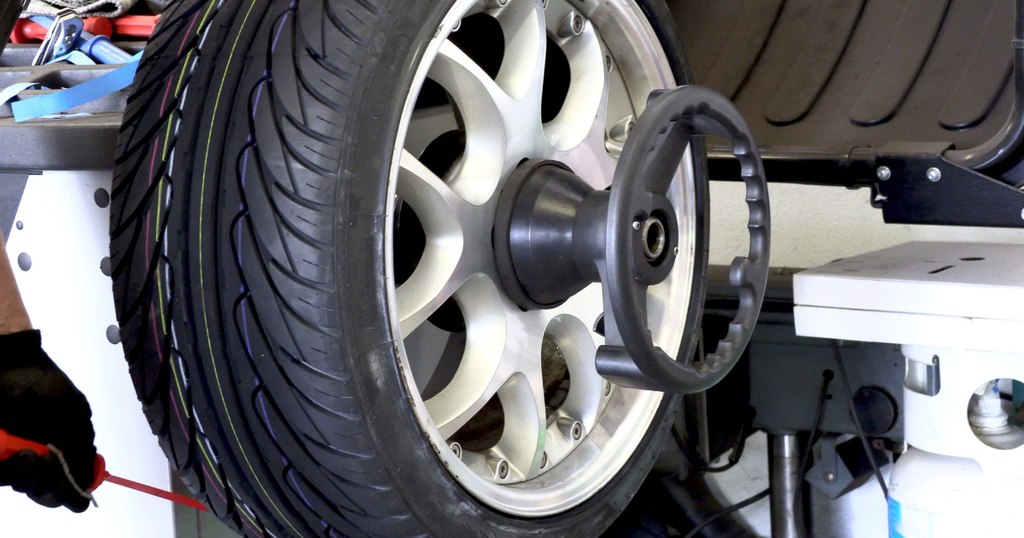
Wheel Balancing: The wheel is mounted on a balancing machine and spun to identify any uneven weight distribution. Small weights are then added where needed to correct the imbalance, after which the wheel is checked again to confirm it is properly balanced.
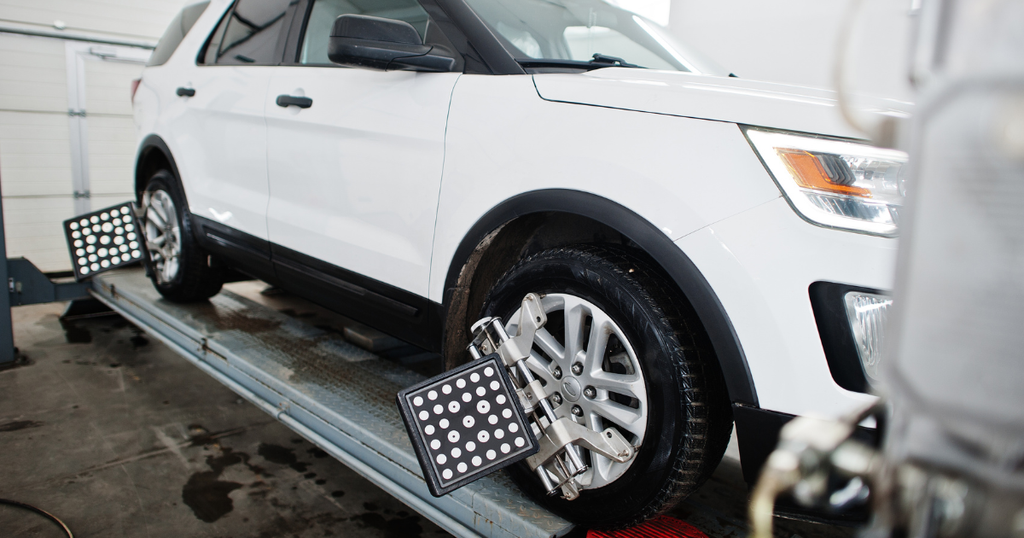
Wheel Alignment: The wheel angles are measured and checked against the vehicle’s requirements, including camber, caster and toe where applicable. Adjustments are then made to bring the wheels back to the correct alignment.
Wheel balancing and wheel alignment are different services, although both may be checked or carried out during the same visit depending on the vehicle’s condition.
Why Proper Wheel Balancing and Alignment Matter
Proper wheel balancing and alignment can make your car feel smoother and more stable on the road while improving overall handling. Correct wheel settings also help the tyres maintain more even contact with the road, which can reduce uneven wear and help extend tyre life. Keeping the wheels properly balanced and aligned may also reduce unnecessary stress on related suspension and steering components, while reducing rolling resistance can potentially support better fuel efficiency. Together, these benefits can contribute to a more comfortable and consistent driving experience.
When Should You Get Your Wheels Checked Earlier?
You may need to have your wheels checked earlier than your usual maintenance interval after a strong pothole or kerb impact, as these can affect wheel balance or alignment. It is also worth checking them after fitting new tyres or completing relevant steering or suspension work. If you suddenly notice vibration, the car pulling to one side, or uneven tyre wear, arrange an inspection rather than waiting for your next scheduled check. These simple checks can help identify changes early and keep your tyres and vehicle components working properly.
Wheel Balancing and Alignment in Singapore
Singapore’s urban roads involve regular stop-and-go driving, frequent turning and occasional encounters with potholes, uneven road surfaces and kerbs, all of which can affect your wheels over time. Paying attention to changes in steering feel, tyre condition or driving smoothness can help you recognise when your wheels may need checking. If you notice any changes, having the balancing and alignment inspected can help keep your vehicle driving smoothly and safely.

Frequently Asked Questions
How often should wheel balancing be done?
It is recommended to have your wheels balanced every 10,000 km or at least once a year. You may need it sooner if you notice vibration or after a strong pothole or kerb impact.
How often should wheel alignment be checked?
Wheel alignment should generally be checked every 10,000 km or once a year, and earlier if your car pulls to one side or the tyres begin to wear unevenly.
Is wheel balancing the same as wheel alignment?
No. Wheel balancing corrects uneven weight distribution, while wheel alignment adjusts the position and angles of the wheels for proper handling and tyre wear.
Does changing tyres require wheel balancing?
Wheel balancing is normally checked when new tyres are fitted because the tyre and wheel assembly may need to be balanced for smooth rotation and to reduce vibration.
Can wheel alignment fix uneven tyre wear?
Proper alignment can help prevent or reduce uneven tyre wear caused by incorrect wheel angles. However, existing tyre damage or other vehicle problems may need separate attention.
Conclusion
Regular wheel balancing and alignment can help keep your car smooth, stable and comfortable to drive, so it is a good idea to have them checked every 10,000 km or at least once a year. However, you should not wait for the next service interval if you notice steering vibration, uneven tyre wear, or your car pulling to one side, as these signs may need attention sooner. If you are experiencing any of these issues or simply want to have your wheels checked, Motoserv can inspect your vehicle and help identify whether wheel balancing, wheel alignment or further attention is needed. Contact Motoserv to arrange an inspection and keep your car driving safely and smoothly.